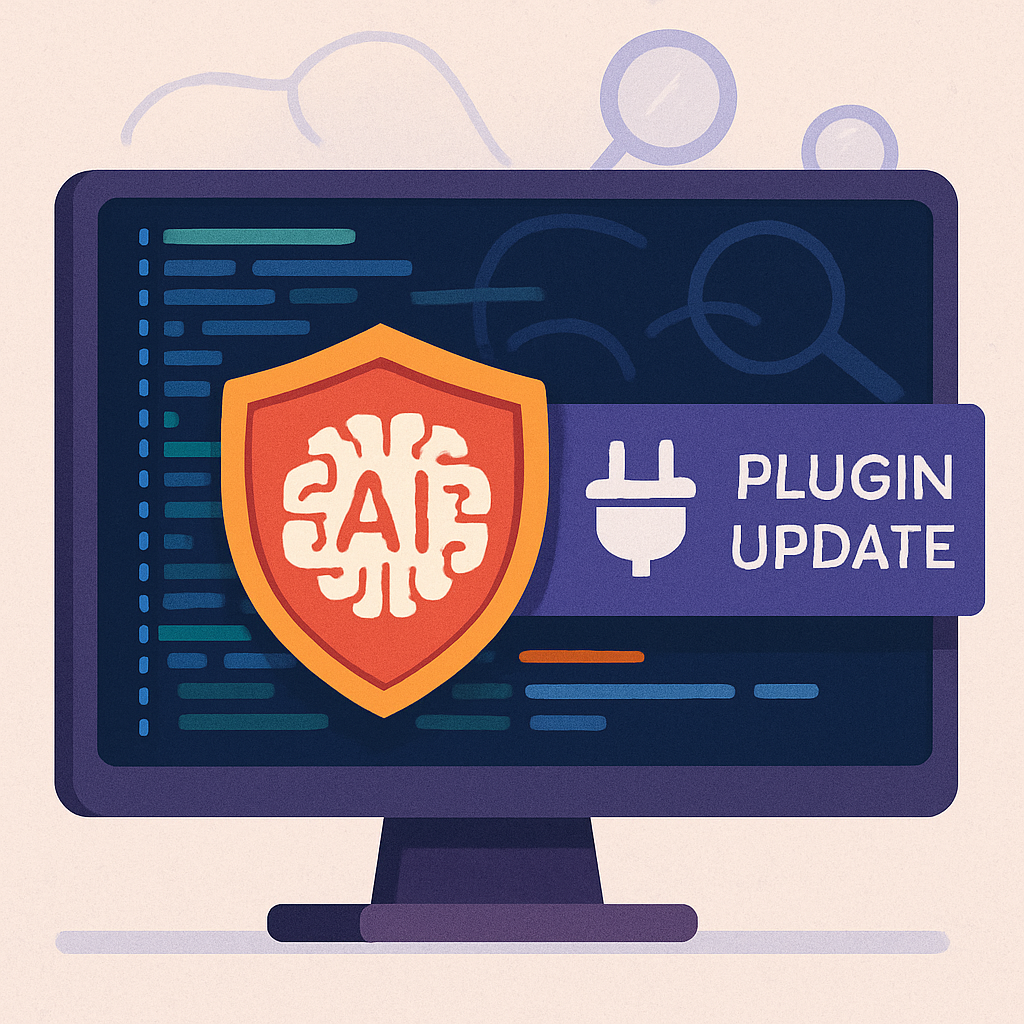
WordPress has introduced a new AI-powered security gate that stops harmful plugin updates from reaching millions of sites before they are installed. Each plugin update now undergoes an automated review prior to being released through the WordPress.org update API. This change is intended to plug a dangerous gap discovered in how plugin releases were previously handled.
How the Risk Was Exposed
On July 28, 2026, a compromised commit was submitted into a plugin update that was already within WordPress.org’s mandatory cooldown period. Though nearly 20,000 active installations were using the plugin, the problematic code was flagged during automated review and—because the update had not yet cleared the cooldown—was never pushed out to live sites. The incident highlighted that even with detection mechanisms, harmful updates could slip through if human review was delayed or unavailable.
The New AI-Driven Security Workflow
In response, WordPress launched an automated blocking system. As of June 5, 2026, every plugin and theme update now enters a six-hour cooldown period. During this window, AI models analyze the code changes in parallel with WordPress’s existing malware scanning engine, Jetpack Scan. These tools generate assessments that feed into a unified security score, with higher scores indicating greater potential risk.
If an update exceeds a predefined risk threshold, it is automatically blocked once the review concludes. The plugin’s developer is notified via email, which details the issues that triggered the block. Updates that fall below the threshold remain in the cooldown queue and are released as usual. Critically, a high-risk score does not necessarily imply intentional wrongdoing—a coding error or vulnerability could receive the same level of risk without malicious intent.
Blocked updates are held from distribution through the update API until the problems are fixed. Plugin authors are advised to address the flagged issues and resubmit. If the revised update scores below the blocking threshold, it is allowed to proceed. Those who believe the flagging was incorrect can reach out to the Plugins Team, though manually appealing a block is generally slower than fixing and resubmitting.
Why This Change Matters
WordPress powers a large portion of the web, and plugins represent a continued weak spot—one bad update can quietly spread malware across thousands or even millions of websites. By embedding AI-powered review and automated blocking in its pipeline, WordPress is adopting a supply-chain-style defense, proactively stopping threats before they reach users rather than reacting after the fact.
The detection models and risk thresholds are still evolving, and WordPress encourages devs to report false positives to improve accuracy. This automated gatekeeping—enforced before updates ever roll out—marks one of the most significant security infrastructure overhauls in recent WordPress history.
Analysis: This move represents a shift in how major platforms defend their ecosystems. As plugin-based attacks and software supply chain risks proliferate, pre-release AI scanning and automatic enforcement may become the benchmark—not just for content management systems like WordPress, but for software distribution platforms in general. What to watch next: how accurate the risk scoring becomes, how developers adapt to the new workflow, and whether similar protections get adopted in other major ecosystems.