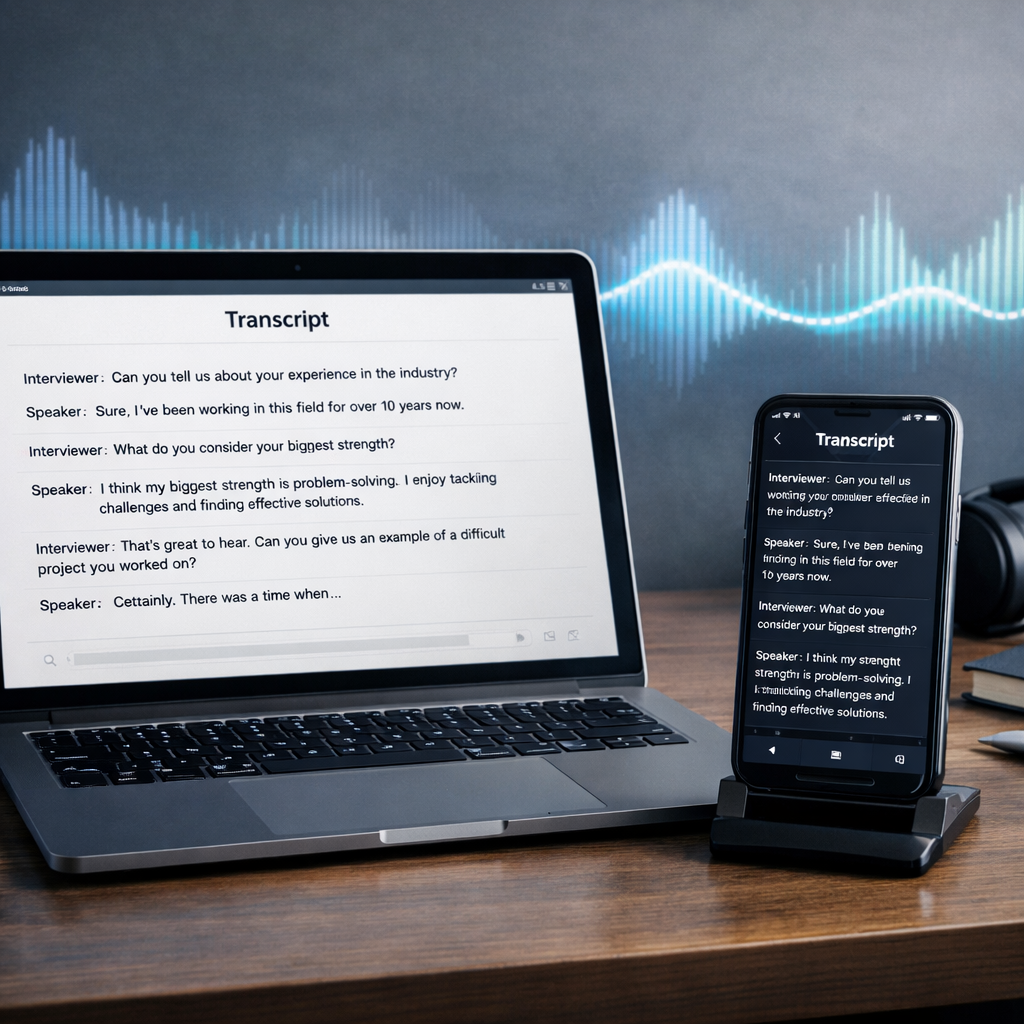
Wispr Flow has introduced its latest speech-to-text engine, Canto-2, aiming to make dictation across its apps sharper and more reliable. The upgrade delivers major gains in understanding technical terms and names while handling real-world audio challenges with greater finesse.
Notable Accuracy Improvements
Compared to its predecessor, Canto-1, the new Canto-2 model brings big improvements in transcription accuracy. Across 14 languages, the word error rate drops from about 9.9% to 6.3%. In English, the error rate goes down from 3.2% to 2.7%. These benchmarks reflect Wispr’s internal tests. The biggest gains come from better recognition of names and technical vocabulary — items that often trip up standard speech recognition models.
Canto-2 is designed to balance strict accuracy with user customization. While earlier versions could over-insert names or terms based on saved user dictionaries, Wispr says the new model dramatically improves recognizing “hard” names and technical terms — rising from roughly 41% correct recognition in Canto-1 to about 69% in Canto-2 — without increasing false positives. Even with large custom dictionaries (1,000 saved entries), “easier” terms stay accurate about 92% of the time.
Built for Realism & Multilingual Reach
To ensure performance holds up outside ideal conditions, Canto-2 was trained with tougher inputs: background noise, recordings from phone and laptop mics, and sentences that restart mid-phrase. The model’s multilingual setup places it among the top-performing models in a recent public benchmark on Hugging Face. Though Wispr ran the evaluation itself, and Canto-2 isn’t yet listed on the official leaderboard as of Nov. 25, the company says its model achieved some of the lowest error rates in that competition.
Deployment is underway: Wispr Flow users in the Americas on Mac, Windows, iOS, and Android already have access to Canto-2. Other global regions will follow as rollout continues.
Background: Wispr Flow is an AI-powered dictation app offering real-time transcriptions. Prior versions, including Canto-1, already supported custom dictionaries to help with technical subject matter. But even tech-savvy users have long complained about errors when handling unusual names, complex terms, or casual speech with interruptions or background noise. Thus, generational jumps like this one tend to draw attention.
Analytical Angle: The arrival of Canto-2 underscores a larger trend in speech AI — specialty focus and practical robustness. As voice-powered tools become more deeply embedded in workflows (from medical dictation to code review to meeting notes), simple word-error rates aren’t enough. Models must also understand domain-specific vocabulary, deal with imperfect recording environments, and let users personalize without compromising accuracy. Canto-2 shows Wispr is moving firmly in that direction. What’s next to watch: how Canto-2 performs in the wild — with accented speech, heavy background noise, regional dialects — and how Wispr scales support for user-custom dictionaries without sacrificing precision.