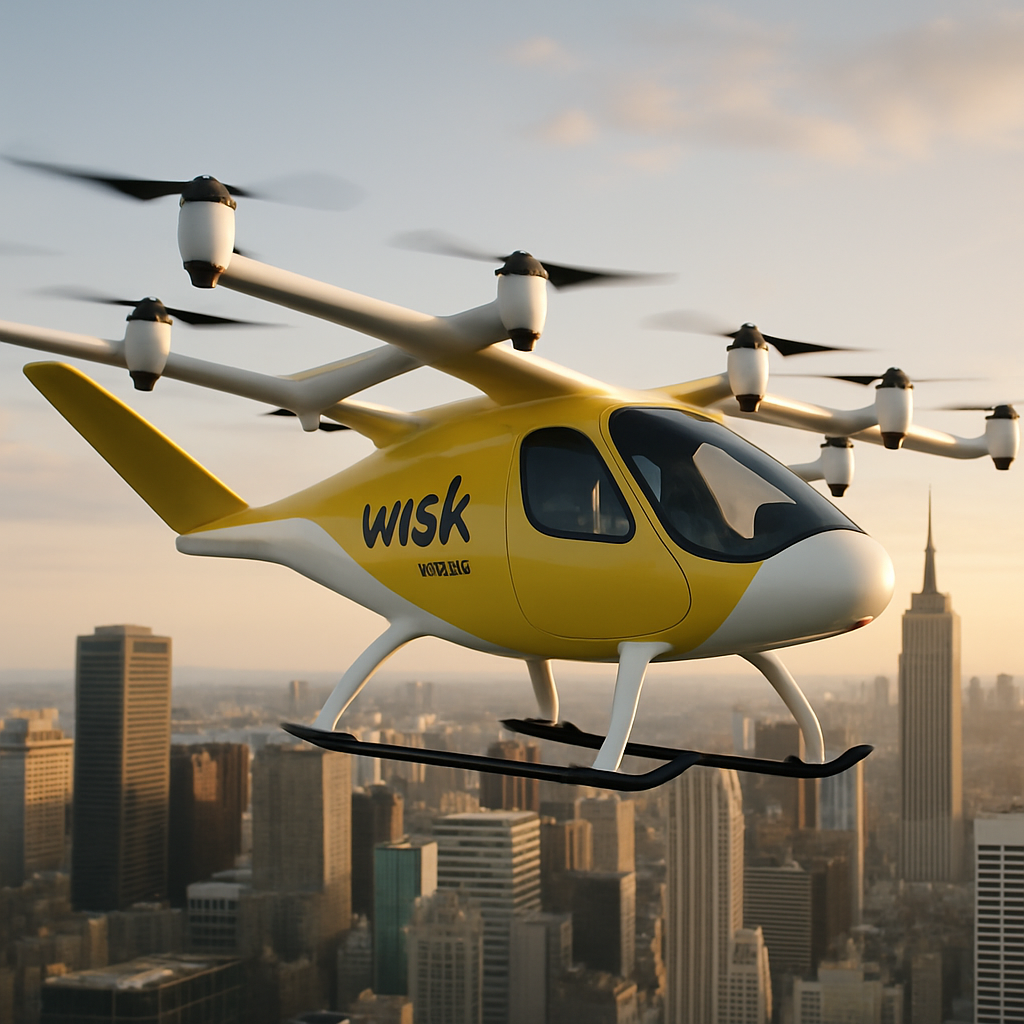
Wisk Aero, the electric air taxi company owned by Boeing, is facing a lawsuit from former software manager Briahna O’Neill, who alleges wrongful termination after raising safety concerns. O’Neill claims she was dismissed in March 2025, just weeks after filing two internal safety reports that highlighted reduced software testing to meet a 2025 test flight deadline.
According to O’Neill, Wisk’s executives pressured engineers to cut back on Federal Aviation Administration (FAA)-mandated software testing to expedite the development timeline. She asserts that her termination was a direct result of her efforts to bring these safety issues to light.
Established in 2019, Wisk Aero is among several companies striving to develop commercially viable electric vertical takeoff and landing (eVTOL) aircraft. Notably, Wisk is focusing on fully autonomous flight, setting it apart from many competitors. In early 2026, the FAA selected Wisk as one of eight companies to participate in a three-year program aimed at testing such aircraft.
In June 2024, Wisk acquired Verocel, a company specializing in software verification and validation for the aerospace industry. This move was intended to bolster the safety and reliability of Wisk’s autonomous flight systems. At that time, Wisk’s CEO emphasized the importance of high-integrity software in ensuring the safety of their aircraft.
As of now, Wisk Aero has not publicly responded to the lawsuit. Boeing, its parent company, has also declined to comment on the matter.
This lawsuit underscores the critical importance of safety in the rapidly evolving eVTOL industry. As companies race to bring autonomous air taxis to market, maintaining rigorous safety standards is paramount. The outcome of this case could have significant implications for industry practices and regulatory oversight, potentially influencing how safety concerns are addressed within the sector.