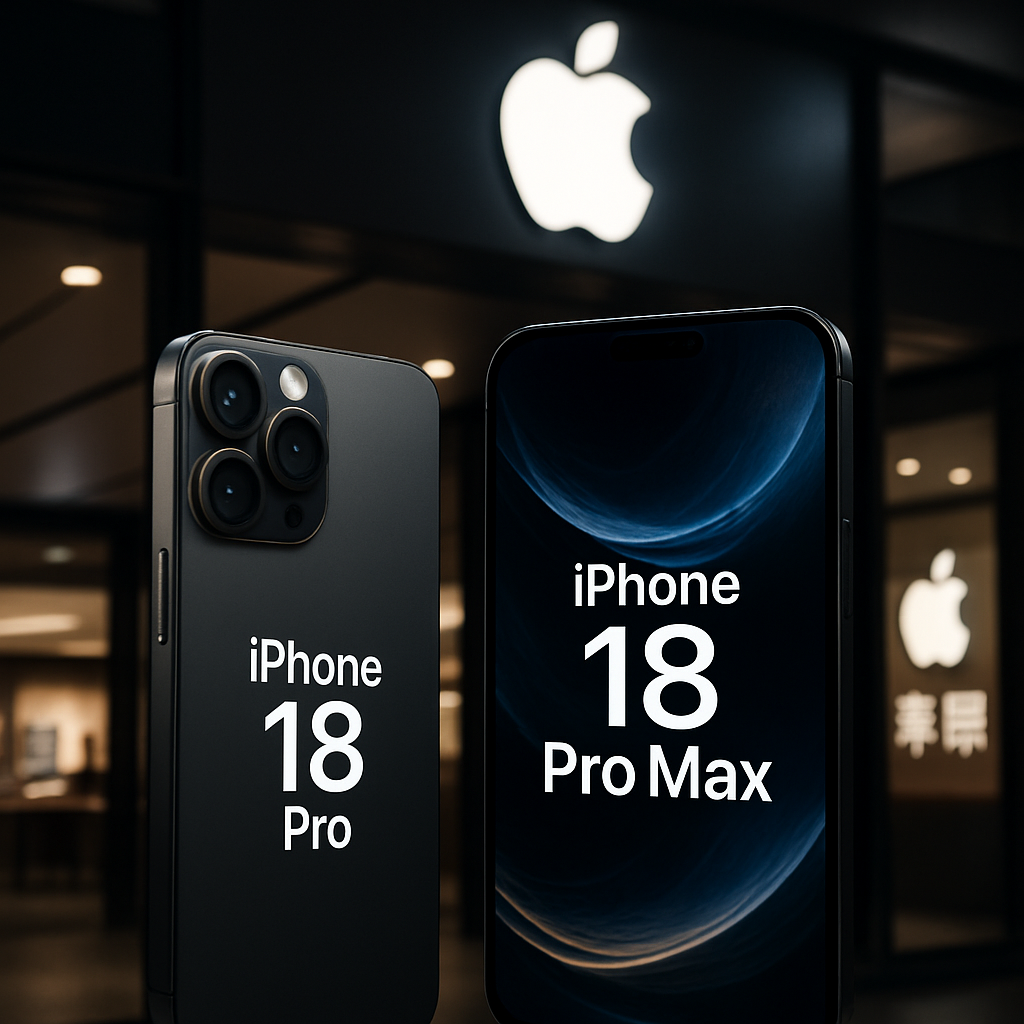
Apple’s latest flagship, the iPhone 18 Pro series, is seeing an unusually strong debut in China. In its first three days on sale, the Pro models not only beat expectations—they pushed Apple into the top spot during Week 38, grabbing 33% of the country’s smartphone market. Despite a year-over-year decline in new phone sales generally, the Pro lineup managed to deliver 12% growth compared to prior iPhone launches in the same period.
What’s fueling this momentum?
Three main factors appear to be driving the newfound strength for the iPhone 18 Pro in China. First, the delayed release of the standard iPhone 18 seems to have nudged buyers toward the premium models. With only the Pro and Pro Max available initially, many consumers may have decided to upgrade rather than wait.
Second, rising prices across the premium smartphone segment have made cost a bigger concern—but Apple has softened the blow. By absorbing some of the higher component costs, the company made the iPhone 18 Pro feel like better value compared to rival flagships, which have passed on more of those price increases.
Third, Apple has leaned heavily into aggressive channel support—an industry term for strong promotion, carrier incentives, and retail marketing. This push appears to have moved needle in cities and regions where brand loyalty and carrier influence are especially strong.
This comes amid broader pressure in China’s smartphone market. Since July, sales of new phones have fallen 17% year-over-year. Still, the iPhone 18 Pro launch reversed that trend—at least temporarily—and pulled Apple ahead during its opening week of sales.
Why this matters in the bigger picture
China is the world’s most competitive smartphone market, with fierce pressure from domestic brands like Huawei, Xiaomi, and Oppo—all of which live or die on aggressively priced features and fast cycles. For Apple to not only remain competitive but also surge ahead at launch under these dynamics says something. It suggests that even as Chinese consumers become more price-sensitive, brand strength, value perception, and launch strategy remain powerful levers.
What to watch: whether Apple can sustain this momentum once the standard iPhone 18 is released, and how rivals respond—both in pricing and promotions. Also worth following is whether the aggressive early strategy leads to longer-term market share gains, or if this is more of a launch spike bolstered by marketing and pent-up demand.
The iPhone 18 Pro’s performance in China shows that smart timing, value positioning, and marketing muscle still matter just as much as specs and features—even in mature, brutally price-sensitive markets.