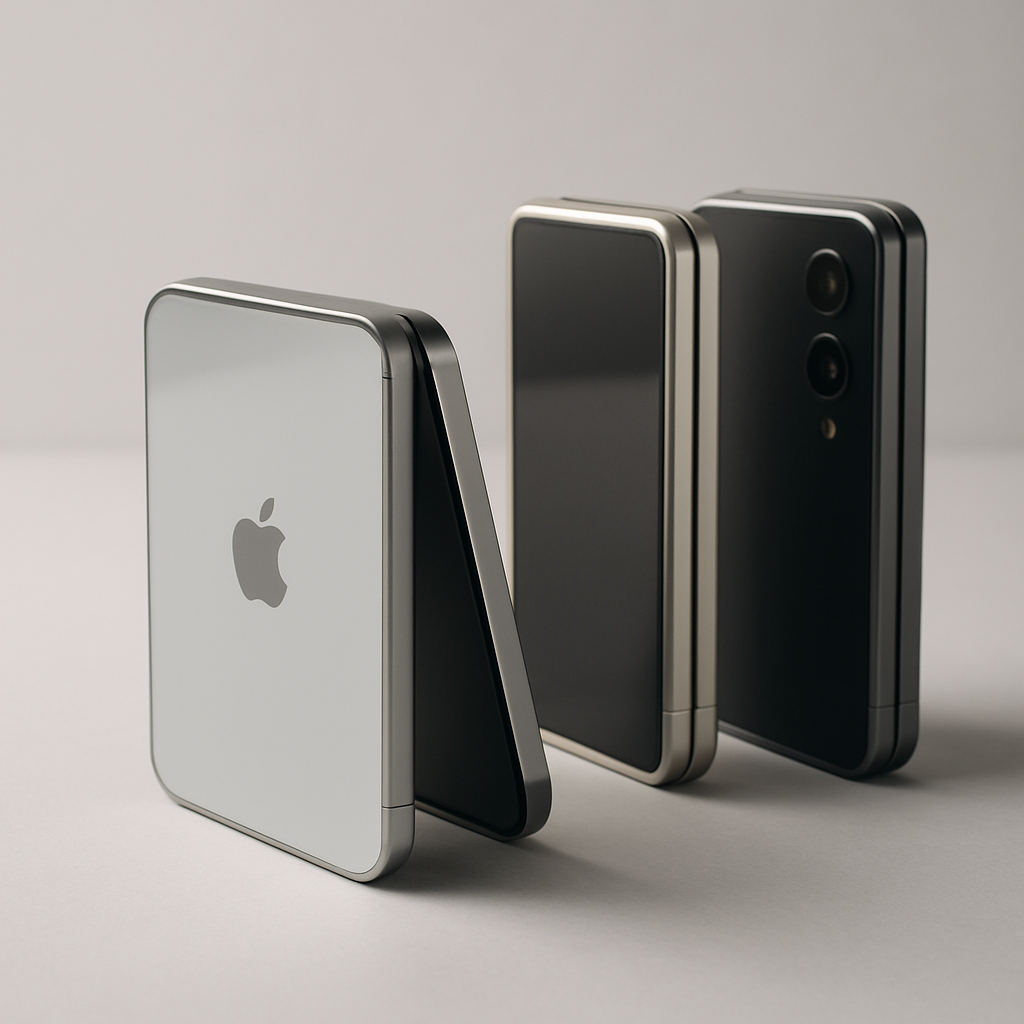
Apple’s freshly unveiled foldable phone, the iPhone Duo, is proving to be more than just a late entry into the foldables market—it’s a textbook example of how Apple rolls: enter late, but try to define the category. The long game is in full swing.
The Playbook Apple Follows
Over its 50-year history, Apple has seldom claimed the first-mover title. The original Macintosh wasn’t the first personal computer, the iPhone wasn’t the first smartphone, and even the iPod and iPad—though game-changers—were entering established markets. It’s a pattern: miss the early wave, but when Apple finally shows up, it backs itself to stand out. Charging premium, designing beautifully, and pushing competitors to catch up are its tools.
Take the iPhone Duo. Samsung released its first foldable back in 2019—years ahead of Apple. But critics quickly exposed serious fragility when screen protectors turned out to be integral parts of those devices, prone to damage. There were missteps. But during that time Apple was working privately, filing patents for foldable tech all the way back to 2011, steadily refining what would eventually become the Duo.
Duo’s Push for Perfection
The early reviews of the iPhone Duo suggest Apple’s holdup may have paid off. The folding screen reportedly boasts a near-zero crease—something rivals are still chasing. On the software side, iOS is already doing foldables more justice than Android in terms of adapting to various orientations and display changes. Still, Apple acknowledges there’s more work ahead for third-party apps to fully embrace the format.
In that regard, Apple isn’t just copying; it’s setting the template. Once its design becomes visible in the wild and tangible in hands, expect a barrage of lookalikes. The same holds for software: competitors may imitate gestures and split-screen modes, but replicating Apple’s seamless blend of hardware and software takes time.
Meanwhile, similar dynamics are playing out with Apple Intelligence and updates to Siri and iOS. Apple may not have led the AI hype, but its focus seems to be on delivering features people can use—not lofty promises. The strategy: beat expectations on functionality rather than flash.
What this tells us
Apple’s play here is classic. Instead of rushing to market with half-baked tech, the iPhone Duo seems designed to reset what people expect from foldables. It’s not about being first—it’s about being the standard others chase. All eyes now are on how well app developers adapt, whether the almost-crease-free screen holds up under real-world abuse, and if Apple’s AI features offer substance. If the Duo hits its marks, competitors will feel the pressure.