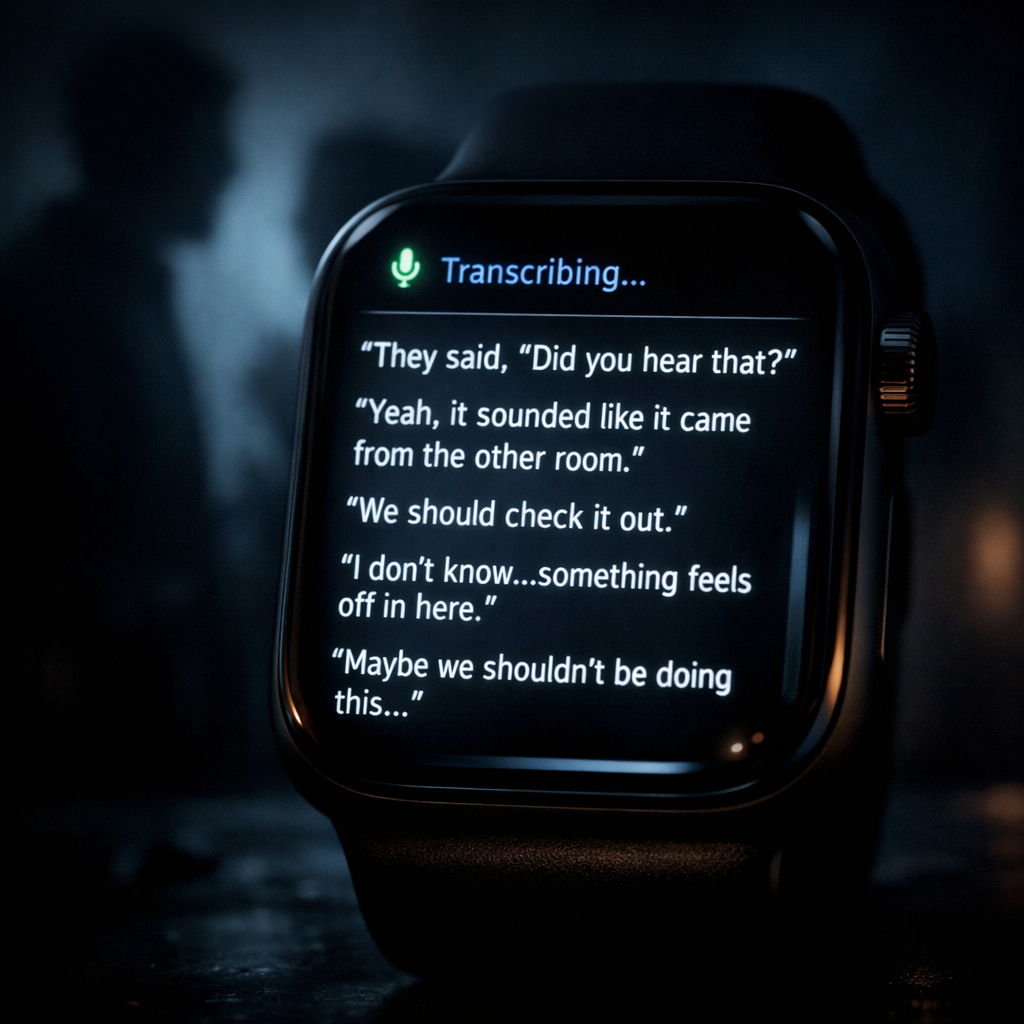
Apple’s new “Audio Intelligence” tools—Siri Recaps and Live Rewind—are live in the iOS 27.3 beta, and they’ve sparked serious debate. Although Apple stresses strong privacy boundaries, the features feel overhyped, unnecessary, and oddly invasive.
What Siri Recaps and Live Rewind Try to Do
Siri Recaps is designed to monitor ambient audio throughout the day or within defined locations (like work) and produce summaries of what was heard. It doesn’t record conversations in full, identify who’s speaking, or preserve the raw audio—just makes notes of key points as detected by a secure chip. Meanwhile, Live Rewind is an Apple Watch–exclusive feature (Ultra 4 or Series 12) that captures the past 15 seconds of spoken words when activated, showing a transcript that can be saved.
The Ups and Downs of Summaries and Recall
In practice, Siri Recaps picks and chooses what to include with inconsistent logic. During testing, significant moments—like heated arguments or personal dilemmas—were often reduced to vague bullet points or omitted entirely. Details that many would expect to matter are either cropped, glossed over, or misassigned. The result is less an accurate memory aid and more an impression of surveillance with selective memory.
If your conversations tend toward scheduling, finances, or structured topics, these tools might offer value. But casual talk—scenes of family life, emotional exchanges, messy stories—often go missing or are handled clumsily. There’s a risk that what gets captured misrepresent what actually happened, especially when summaries compress or mix up events.
Live Rewind: Novelty Without Clear Purpose
Live Rewind struggles even more than Siri Recaps. The feature often mishears words—especially homonyms—and transcribes poorly. One test of a demo menu ended with numerous errors even after multiple attempts. Worse still, sensitive info like Social Security numbers may momentarily appear in text when the Crown is double-pressed, despite Apple’s attempt to hide swear words.
There seems to be no compelling use case for Live Rewind beyond potential accessibility support, but even there, its limits are glaring. The feature feels experimental, not ready for broad rollout.
Privacy, Ethics, and Social Acceptance
Apple insists that these features maintain substantial privacy safeguards: audio is handled in a secure enclave, transcripts are on a rolling buffer that is deleted, and no identity tagging occurs. Yet the mere idea of a device always listening—even in summary form—makes many uneasy. How much agency do people being summarized really have?
There are good intentions behind Apple’s push: aiding memory, helping those with cognitive challenges, or simply capturing day-to-day moments. But there’s a darker edge. Misuse, unintentional exposure of personal data, inaccuracies—these risks weigh heavily against the proposed benefits.
This all echoes rumors that Apple may be laying groundwork for sensor- or camera-driven hardware (think smart glasses) that could expand this summarization concept even further—potentially sparking more fear than trust.
The features may evolve between now and the final release. But as they stand, neither Siri Recaps nor Live Rewind is something most people truly need or will feel comfortable using.
These Apple features matter not just because of what they promise, but what they force us to confront: how we balance utility, privacy, and comfort as AI becomes more ambient in our lives. What Apple learns from public feedback—or backlash—on Recaps and Rewind may set precedents for the next generation of AI-powered assistants. Keep watching how this plays out: adjustments, opt-ins, or even feature rollbacks could be in the works—and they may define who adopts this technology and who resists it.