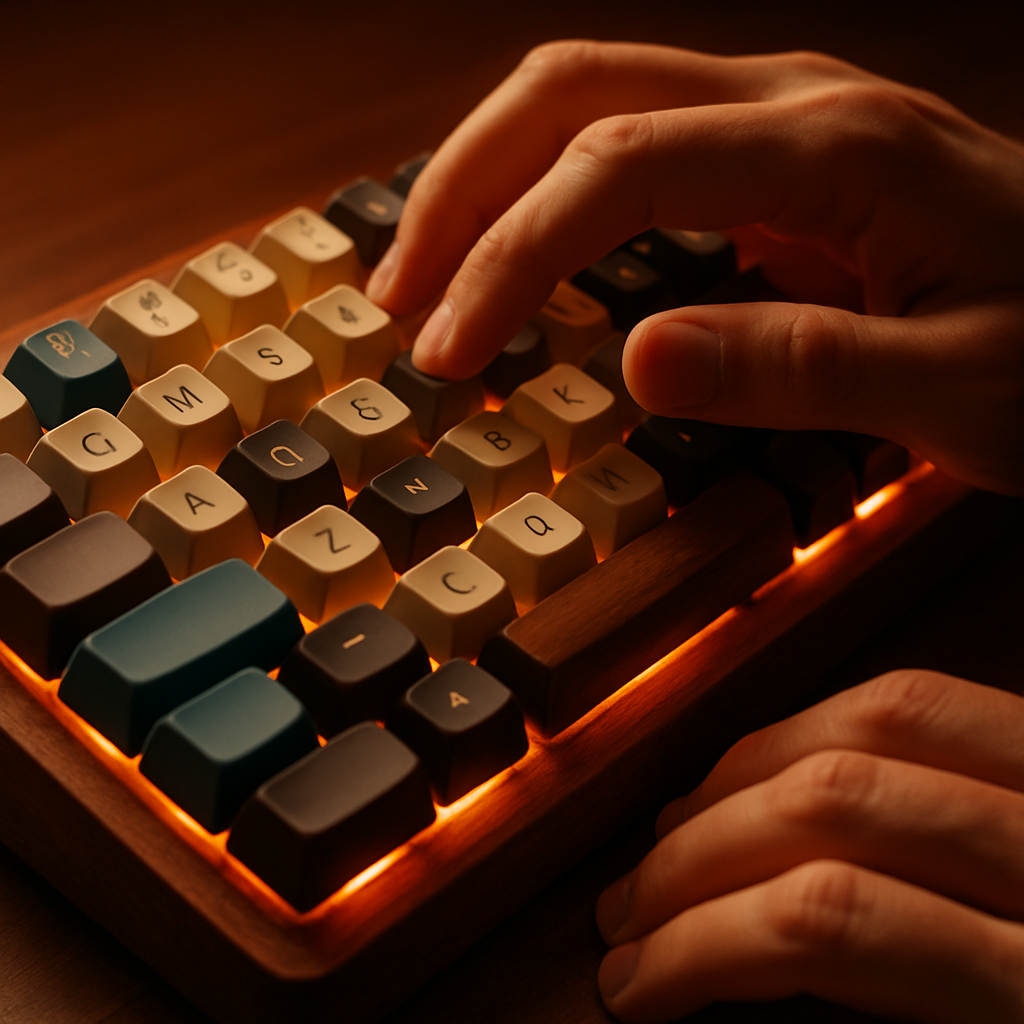
For many writers and tech enthusiasts, a mechanical keyboard is more than just a typing tool—it’s an experience. If you spend long hours at a desk, the feel, sound, and design of your keyboard can make a big difference in daily workflow.
One standout in this space is Keychron, which began with a Kickstarter breakthrough in 2017 and now offers a wide lineup of mechanical keyboards, keypads, and even mouse models. The diversity in their range means there’s something for everyone—from budget-minded users to style-focused pros. Simply unboxing one, setting it up with tilt legs for comfort, plugging it in (or using Bluetooth for a cleaner setup), and getting to work is part of the appeal.
Models, Upgrades & Varied Features
The entry-level Keychron K2, priced around $60, brings you the essentials. But recent releases like the Keychron K8 HE (Wireless Magnetic) push the envelope with features such as an all-wood body and LED backlighting—for about $200. Keychron’s lineup also includes models in the K, Q, and V series, many falling between $100 and $200 depending on design and connectivity options.
For gamers, there’s also the C0 HE One-Handed 8K Keypad. It’s built for speed and industrial style, though demand has apparently outpaced supply—it’s currently sold out.
Customization & Aesthetic Appeal
Customization is central to the mechanical keyboard’s allure. Keycaps are interchangeable, and enthusiasts can dive into dedicated sub-markets or even craft their own unique caps. That extends beyond looks: many buyers are drawn in by the tactile satisfaction and the distinct clicking sound. Beyond practical function, those auditory elements often make their way into ASMR content, underscoring how sensory the experience can be.
There’s also a strong element of nostalgia. For some, mechanical keyboards evoke memories of earlier computing eras, when design was rugged and expressive—or even industrial. Keychron taps into this with retro aesthetics that stand out compared to minimalist trends.
The Trade-Offs & Where They Make Sense
Of course, mechanical keyboards aren’t for everyone. They can be noisy, bulky, or expensive if you aim for high-end features or custom builds. But for those who type a lot, code, or crave a workspace that feels personal and tactile, the trade-offs are often worth it.
What’s especially notable is how keyboards have broken out of their niche. They’re no longer just tools for writers or gamers—they’re fashion statements, sound instruments, even lifestyle accessories. And with companies like Keychron offering strong value across price points, getting into this world is more accessible than ever.
Ultimately, the mechanical keyboard lives on because it delivers something you rarely get with modern tech: sensory richness. In a world chasing thinner, lighter, quieter, it offers something bold, tangible, and deeply personal. As more people recognize that their input devices can be objects of comfort and expression, expect mechanical keyboards to keep evolving—not just in specs, but in what they make you feel.
