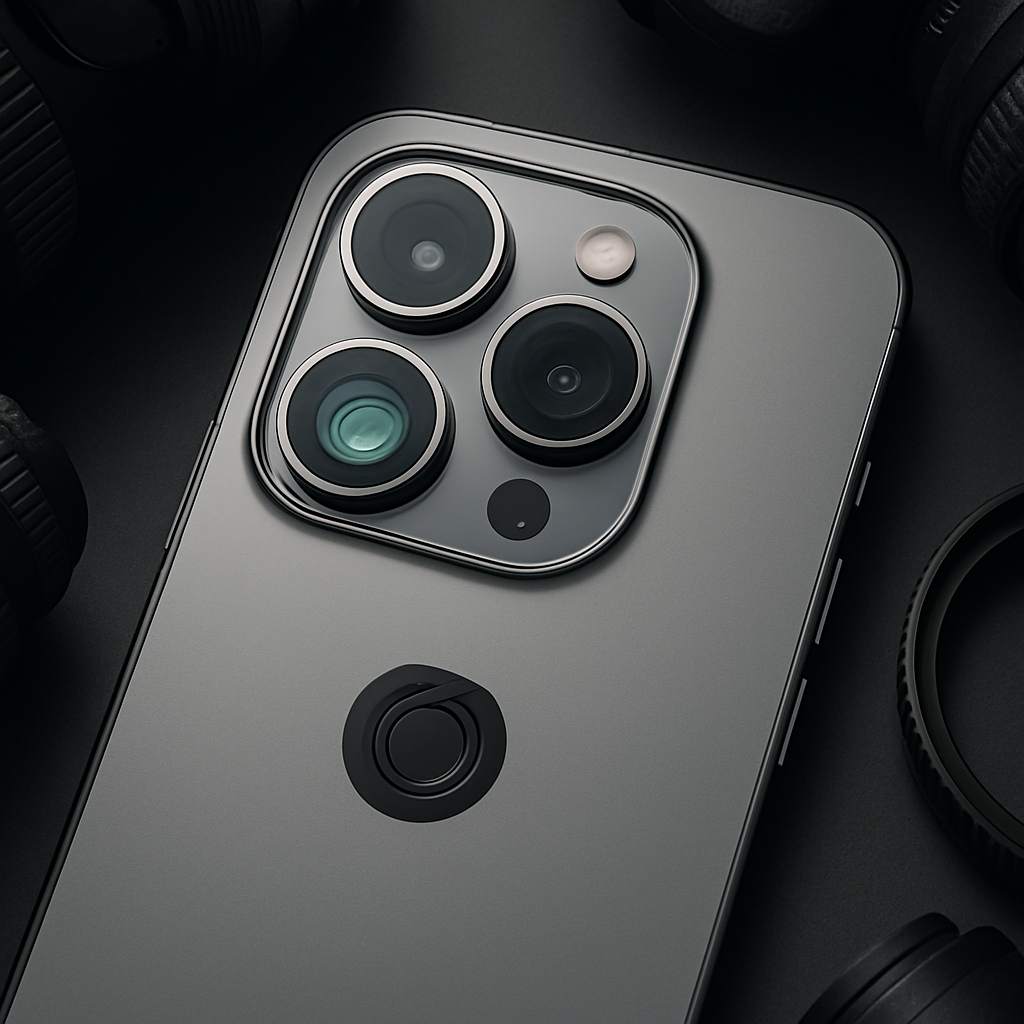
Apple’s latest “Duo” foldable phones sparked plenty of excitement—but when it comes to camera features, the iPhone 18 Pro and Pro Max steal the show. The Duo may capture hearts with its design, but the true headline might just be the new imaging tools packed into the Pro series.
Major Upgrades: Variable Aperture, Bright Lens & Manual Control
For the first time in Apple’s history, both Pro models now feature a variable aperture lens. Previously thought to be exclusive to Pro Max, this optical innovation gives users more control over depth of field. Though Apple will handle many aperture changes automatically, there’s full manual control if you want to fine-tune your shots. Still, don’t expect DSLR-level bokeh—the sensor size remains small, so depth‐of‐field effects will still lean heavily on computational processing.
Across the board, these new Pro phones sport brighter optics—shifting from f/1.78 on last year’s model to f/1.48—boosting performance in low-light scenes. Even with aperture being the highlight, the sensor size continues to be the real gatekeeper for photo quality on par with dedicated cameras.
New Tools for Video & Exposure Mastery
Apple is introducing features long popular in pro camera apps into its native camera experience. You’ll be able to manually set the shutter speed, letting you capture long exposures for artistic effects like motion blur and extended night photography. Those same settings apply to video, so you can follow the “180-degree shutter rule” (for example, 1/48th sec at 24fps) to get film-like motion blur without third-party apps.
White balance now includes a lock for video—no more mid-shot color shifts that break the mood. And with new cinematic mode flexibility, you can apply depth-of-field effects after filming in standard video mode. Bonus: cinematic mode now supports up to 60fps, enabling slow-motion with that blurred-background look.
AI-Powered Focus, Histogram & Battery Improvements
Smart focus mode gets an upgrade. The new AI-based system actively tracks a subject—even through interruptions like someone crossing in front of the camera—and can re-lock focus if the subject leaves the frame and returns. It’s the kind of tracking that leans on machine learning, not just hardware.
Exposure tools update too, with a histogram making its way into the Pro models for the first time in the stock app—helping with more accurate metering, especially in tricky light. Battery life sees gains as well: the Pro Max pushes up to 45 hours, delivering what’s estimated to be about a 15% improvement over last year’s version when shooting video and using power-intensive features.
Ad hoc image authenticity tools are also coming into play, useful for professionals who need proof a photo hasn’t been manipulated. It’s a move that shows Apple isn’t just optimizing for flashy features, but also credibility and creative control.
The Duo will surely make waves in folding phone circles. But for anyone who uses an iPhone as more than just a social camera—who wants one device they can rely on for serious photography or videography—the iPhone 18 Pro and Pro Max deliver ground-level, practical upgrades that matter.
What to Watch: once the iPhone 18 Pro hits hands, the real test will be how these new tools perform in real light, real noise, and real motion. The promise is there—but it’s the execution that will define whether these are must-have upgrades or simply headline bait.