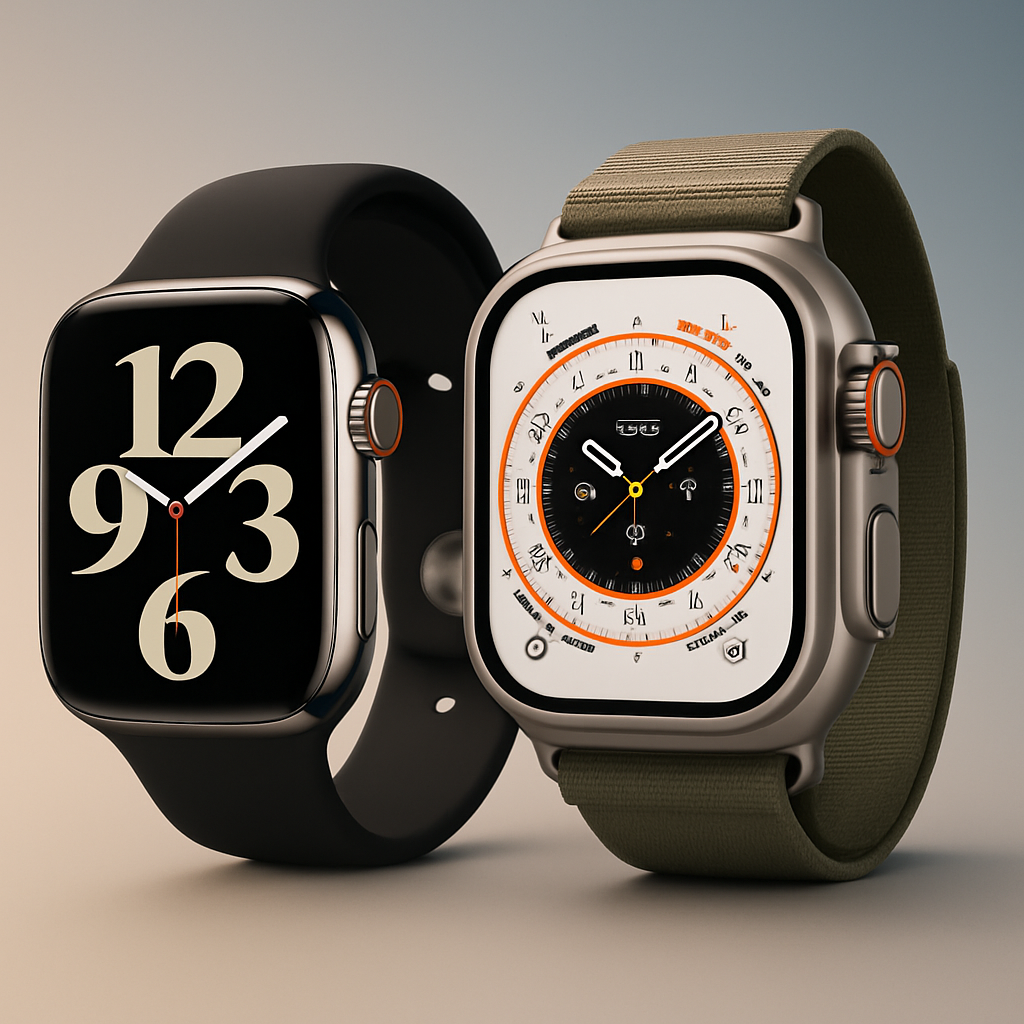
Apple’s latest smartwatches, the Apple Watch Series 12 and Apple Watch Ultra 4, are now packing 4 GB of RAM—double the memory of their predecessors, but they still carry the same starting prices. This upgrade enables smoother performance and improved support for new features tied to Apple’s growing “Apple Intelligence” platform.
RAM Increase and What Powers It
The previous models—Series 11 and Ultra 3—were equipped with 2 GB of RAM. The Series 12 and Ultra 4 break that barrier, using 4 GB of RAM as confirmed by Apple’s Xcode 27 development tools. The additional memory supports the devices’ new S11 chip, which unlocks several fresh capabilities when paired with an iPhone 15 Pro or newer.
These capabilities include sound recognition, “live rewind” of text snippets, and “Siri Recap” summaries—features aimed at enhancing how the watch interacts with the user and reduces lag in real-time tasks. The larger RAM pool helps manage the data and computational overhead needed for such features.
Same Price, Market Pressures
Despite a global memory chip shortage that has driven up costs across the tech sector, Apple has kept the base U.S. price points for its watch line steady. The Series 12 still starts at US$399, while the Ultra 4 begins at US$799—identical to Series 11 and Ultra 3 launch prices, even with the upgraded RAM.
This decision comes when many companies are raising prices for their devices in response to supply chain pressures and component costs—something Apple has reportedly done already for its iPhones, iPads, and Macs this year. Preserving prices for the new Apple Watch models is notable under these conditions.
Technically, Series 12 and Ultra 4 are more than just memory upgrades. The S11 chip does more than run apps—it supports newer components of Apple Intelligence, for interacting with audio input and summarizing Siri dialogues, among other intelligent features.
The RAM bump is particularly meaningful because earlier RAM limits could bottleneck smart features that rely on background processing and larger data buffers. For example, Sound Recognition must continuously listen for certain keyword cues, while Live Rewind and Siri Recap both require storing and managing user data in memory for short-term processing.
Maintaining launch pricing while improving internal specs suggests confidence in production scale or component sourcing. It might also be a move to ensure Apple Watch stays competitive in a market where smartwatches are increasingly judged by what they do, not just how they look.
Looking ahead, the increased RAM could influence battery life or heat profile—but Apple likely calibrated the S11 and memory controller to mitigate those issues. At the same time, as software features like voice processing and proactive intelligence grow in prominence, hardware like RAM becomes a foundational part of the experience.
Why this matters: the Apple Watch is no longer just a timepiece or fitness tracker; it’s evolving into an intelligent hub for everyday context—notifications, voice interactions, background listening, and proactive prompts. The RAM upgrade means it can do more, hold more, and respond faster—all without costing you extra.