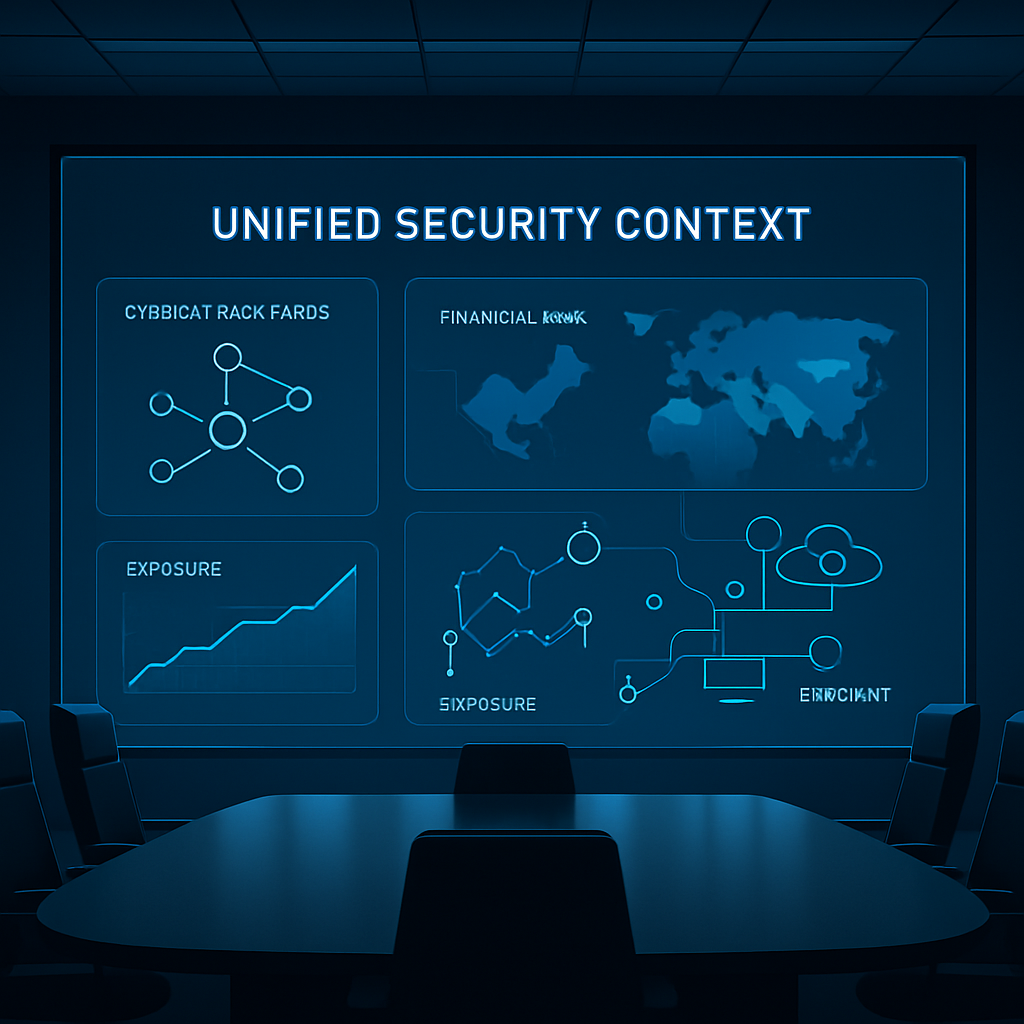
As quarterly board meetings approach, many CISOs face a familiar scramble: gathering data from identity providers, cloud posture tools, SIEMs, vulnerability scanners, EDR consoles—then transforming a sprawling mess of exports into slides. When they’re finally asked the three questions that matter—“How secure are we? What’s our financial exposure? Are we improving since last quarter?”—they often can’t give solid answers. The issue isn’t a lack of raw data. It’s that key insights are dispersed across tools that don’t share context. A new guide offers a template for board reporting built to bridge that gap.
Activity Metrics Don’t Impart Trust
Boards used to accept metrics like counts—patches applied, phishing simulations passed, alerts closed—but those numbers measure effort, not actual risk. A high number of closed findings doesn’t answer whether the company is safer now than before. Boards are now demanding exposure—not activity. They want visibility into which business-critical assets are at risk, whether exposure is decreasing over time, and what the dollar impact might be if those threats materialize.
The Fractured Security Landscape Undermines Clarity
Enterprises usually run a patchwork of tools—identity platforms, CSPM or CNAPP systems, endpoint protection, SaaS security, cloud posture management—all delivering isolated views. Each is accurate in its domain, but none shows how disparate risks intertwine. For example, a contractor’s account could hold legacy access in an identity system, which grants privileges in a SaaS tool. That service account might have broad access to storage flagged by cloud posture tools, which then holds sensitive customer data recognized by data classification tools, but no single dashboard links all these points. Hidden together, these gaps generate critical attack paths that remain invisible until it’s too late. The rise of AI, non-human identities, and proliferating service accounts worsens the problem.
Buying yet another security tool rarely solves this. It just adds another silo—and another spreadsheet. What’s really missing is a unified intelligence layer that connects existing tools so identity, access, assets, and exposure are all visible in one graph. This model, known as Cybersecurity Mesh Architecture (CSMA), is designed to meet the cross-domain risk questions boards are asking.
A Board-Ready Reporting Framework
A better report starts with collaboration between security and business leaders to define the company’s “crown jewels”—customer data, production infrastructure, payment systems, sensitive records, and other assets whose loss would be most harmful. Once aligned on these, the next step is to ingest and correlate data from identity, cloud, endpoint, SaaS, and vulnerability systems without adding disruptive sensors—think agentless, API-driven integration.
Rather than arranging findings by individual vulnerability, security teams should map real attack paths to crown jewels. A medium misconfiguration that leads to a critical asset is far more urgent than a critical issue on a test server with no access. Factors like blast radius must guide remediation priorities.
Translating exposure into financial risk moves the conversation into the same terms the board already uses for other enterprise risks. By estimating what could be lost if attack paths are exploited, CISOs can move from vague status-reporting to concrete dollars at risk. Finally, reports must show trends—how many risky paths existed last quarter vs now, what remediation reduced them. That gives visible proof of progress and ROI.
What This Means in the Boardroom
When CISOs adopt this path-based model rather than presenting disconnected activity metrics, the board’s core questions become answerable. How secure are we? Point to remaining paths to critical assets. What’s our exposure? Show estimated financial impact of those paths. Are we improving? Display which paths have been closed since last quarter and how. Instead of defending budgets, CISOs shift focus to risk reduction—and security teams get a prioritized roadmap aligned with what leadership wants.
This reporting shift reflects more than just better slides—it aligns security with business risk in measurable terms. As attackers exploit blind spots at the seams of security tools and AI agents proliferate, boards won’t settle for status reports. They want insight. The organizations that adapt will be the ones where CISOs don’t just describe work—they show what protecting the business means in dollars, paths, and progress.