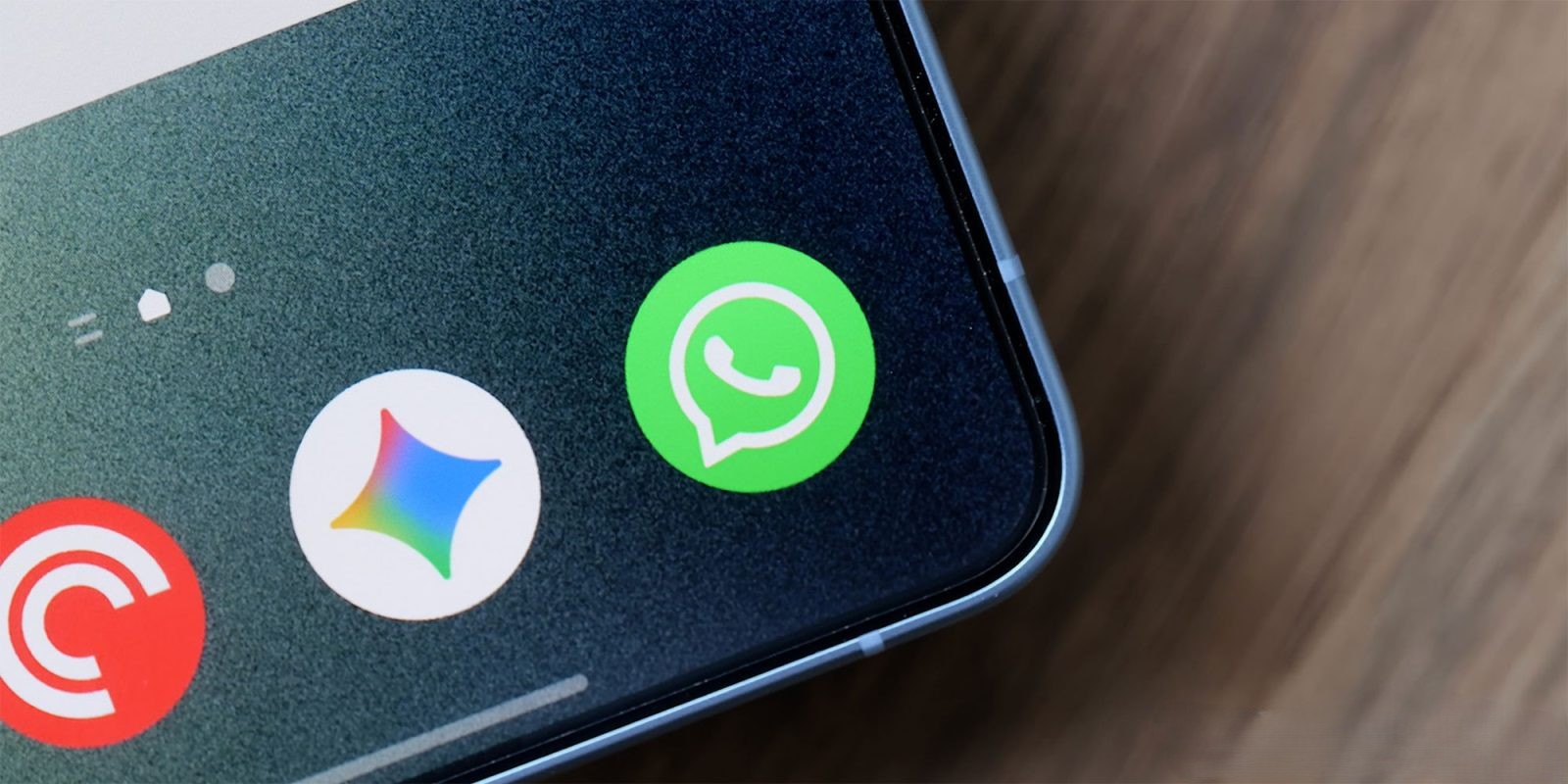
WhatsApp is set to discontinue its avatar feature, a move that will affect users who have utilized these personalized digital representations in their profiles and stickers. Introduced in late 2022, avatars allowed users to create customized, cartoon-like versions of themselves, aligning with Meta’s broader vision for virtual reality and the metaverse.
The decision to remove avatars was first reported by WABetaInfo, noting that users are receiving in-app notifications about the impending change. These alerts inform users that the ability to edit avatars is being phased out and that existing avatars will be removed from profiles in an upcoming update. While the exact timeline for this removal has not been specified, the process has already commenced with the disabling of avatar editing capabilities.
Avatars served as a creative way for users to express themselves, offering an alternative to traditional profile pictures. They also extended to sticker packs, enabling users to send personalized stickers in chats. The removal of this feature suggests a shift in WhatsApp’s development priorities, possibly indicating a reevaluation of features that may not have achieved widespread adoption.
This change is part of a series of updates and feature adjustments by WhatsApp and its parent company, Meta. For instance, in March 2026, Meta announced the discontinuation of end-to-end encryption for Instagram direct messages, a decision that raised concerns among privacy advocates. The company cited low user engagement with the encryption feature as the primary reason for its removal. Similarly, the decision to eliminate avatars from WhatsApp may be driven by user engagement metrics and the company’s strategic focus.
Despite the removal of avatars, WhatsApp continues to introduce new features aimed at enhancing user experience. In April 2026, the platform began rolling out support for usernames, allowing users to maintain privacy by not sharing their phone numbers. This feature enables users to create unique identifiers, facilitating connections without revealing personal contact information.
Additionally, WhatsApp has been working on improving its interface and functionality. In March 2024, the app introduced an improved bottom navigation bar for Android users, making it easier to access various sections such as Chats, Updates, Communities, and Calls. This design change aligns with modern user interface trends and aims to enhance usability.
The removal of avatars may also be seen in the context of WhatsApp’s efforts to streamline its features and focus on core functionalities that resonate with a larger user base. By discontinuing less popular features, the platform can allocate resources to develop and enhance services that offer greater value to its users.
For users who have utilized avatars, this change may be disappointing. However, WhatsApp’s ongoing updates and feature introductions suggest a commitment to evolving the platform in response to user needs and technological advancements. As the digital communication landscape continues to change, WhatsApp’s adjustments reflect an effort to stay relevant and user-friendly.
In summary, WhatsApp’s decision to remove the avatar feature marks a shift in the platform’s feature set, likely influenced by user engagement and strategic priorities. While this change may affect users who enjoyed the personalization offered by avatars, it also indicates WhatsApp’s focus on refining its services to better meet the needs of its global user base.
WhatsApp is phasing out its avatar feature, signaling a shift in focus. Users will soon lose the ability to create and use avatars in profiles and stickers. #WhatsAppUpdate #TechNews
WhatsApp removing avatars
Article X Post:
Hashtags:
Article Key Phrase:
Category: Google News