WhatsApp Expands Liquid Glass Redesign to iOS Users
After an extended period of limited testing, WhatsApp is now introducing its Liquid Glass redesign to a broader audience on iOS devices. This update signifies a significant shift in the app’s visual interface, aligning it more closely with Apple’s latest design aesthetics.
Initial Testing and Gradual Rollout
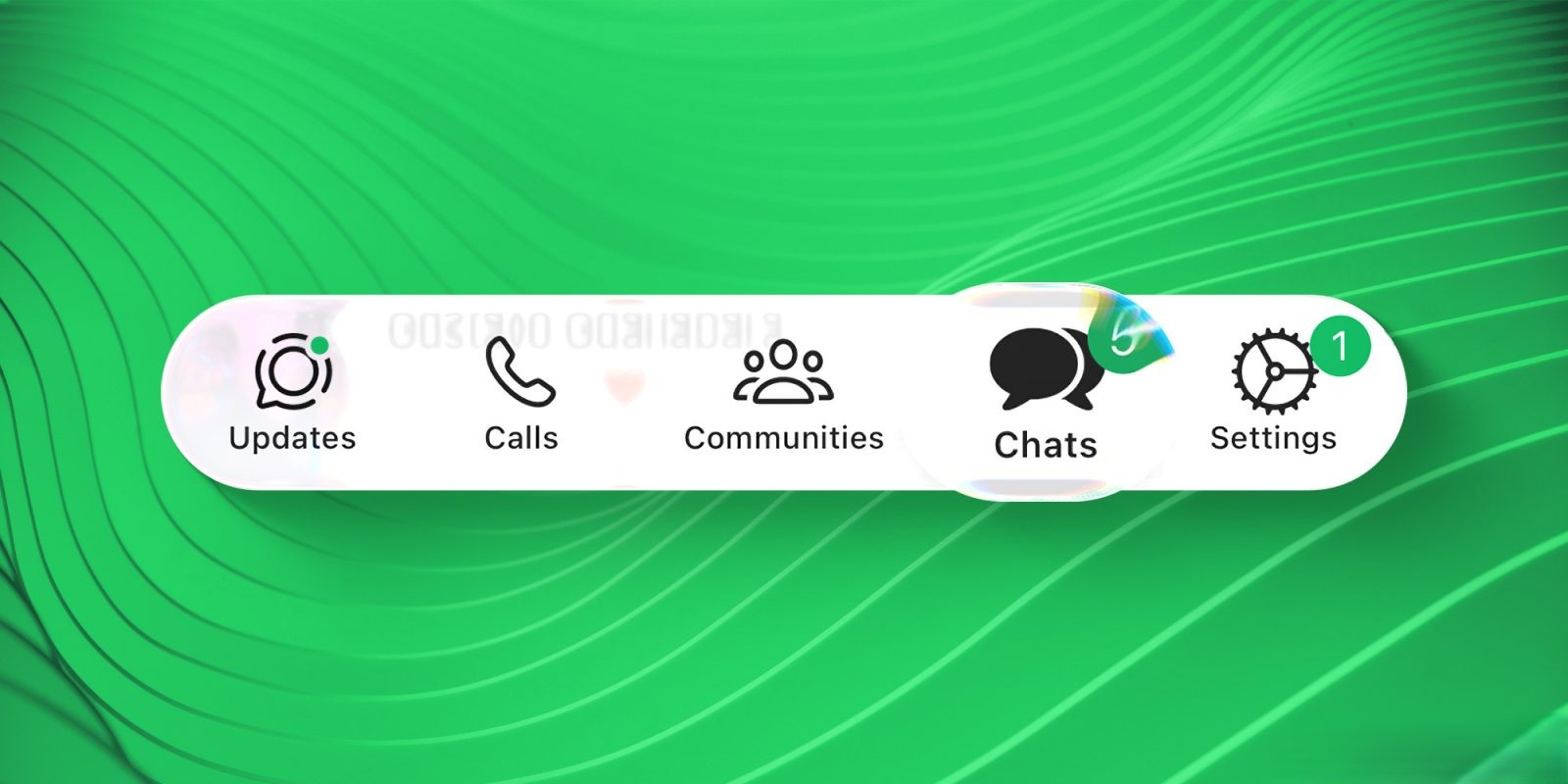
In October 2025, WhatsApp initiated a small-scale test of the Liquid Glass design, focusing on the app’s bottom navigation bar and certain elements within the Chats tab. This initial phase allowed Meta, WhatsApp’s parent company, to gather user feedback and refine the design before a wider release.
Over the subsequent months, Meta expanded its experimentation with the Liquid Glass design, incorporating it into various user interface components such as the voice message player, in-chat interface, message reactions, and context menus. These iterative updates aimed to create a cohesive and modern user experience that resonates with iOS users.
User Reactions and Feedback
As the Liquid Glass redesign becomes more widely available, users have taken to social media platforms to share their experiences. Many have expressed enthusiasm for the updated interface, highlighting its sleek and contemporary appearance. For instance, a user on X (formerly Twitter) shared, Finally liquid glass design ❤️, accompanied by a screenshot showcasing the new look.
However, not all feedback has been positive. Some users have expressed reservations about the changes, indicating a preference for the previous design. One user commented, Now I wish WhatsApp didn’t adopt Liquid Glass…, suggesting that the new design may not appeal to everyone’s tastes.
Current State of the Redesign
On devices where the update has been implemented, the Liquid Glass design is evident in the bottom navigation bar, select in-chat elements, and the top navigation bar of the main Chats interface. Additionally, the redesign integrates seamlessly with the iOS 26 keyboard, enhancing the overall user experience.
Despite these advancements, certain UI elements, such as the voice message player and the message reactions menu, continue to utilize the previous design. This indicates that the rollout is still in progress, and users can anticipate further updates as Meta continues to refine and expand the Liquid Glass aesthetic across the app.
Broader Context and Future Developments
The adoption of the Liquid Glass design by WhatsApp aligns with a broader trend among app developers to embrace Apple’s latest design language introduced in iOS 26. This design emphasizes transparency, fluidity, and a sense of depth, aiming to create a more immersive and intuitive user experience.
Other applications have also begun integrating similar design elements. For example, Telegram implemented a Liquid Glass-like design in October 2025, even for users not running iOS 26. This move demonstrated a commitment to providing a modern interface that resonates with users across different iOS versions.
As Meta continues to roll out the Liquid Glass redesign, users can expect further enhancements and refinements. The gradual implementation allows for the collection of user feedback, enabling the company to make informed adjustments that cater to the diverse preferences of its global user base.
Conclusion
The broader rollout of WhatsApp’s Liquid Glass redesign marks a significant milestone in the app’s evolution, reflecting a commitment to staying current with design trends and user expectations. While the transition has been met with mixed reactions, it underscores the dynamic nature of app development and the importance of balancing innovation with user satisfaction.
As the rollout progresses, users are encouraged to share their feedback, contributing to the ongoing refinement of the app’s interface. This collaborative approach ensures that WhatsApp remains a leading communication platform, continually adapting to meet the needs of its diverse user community.