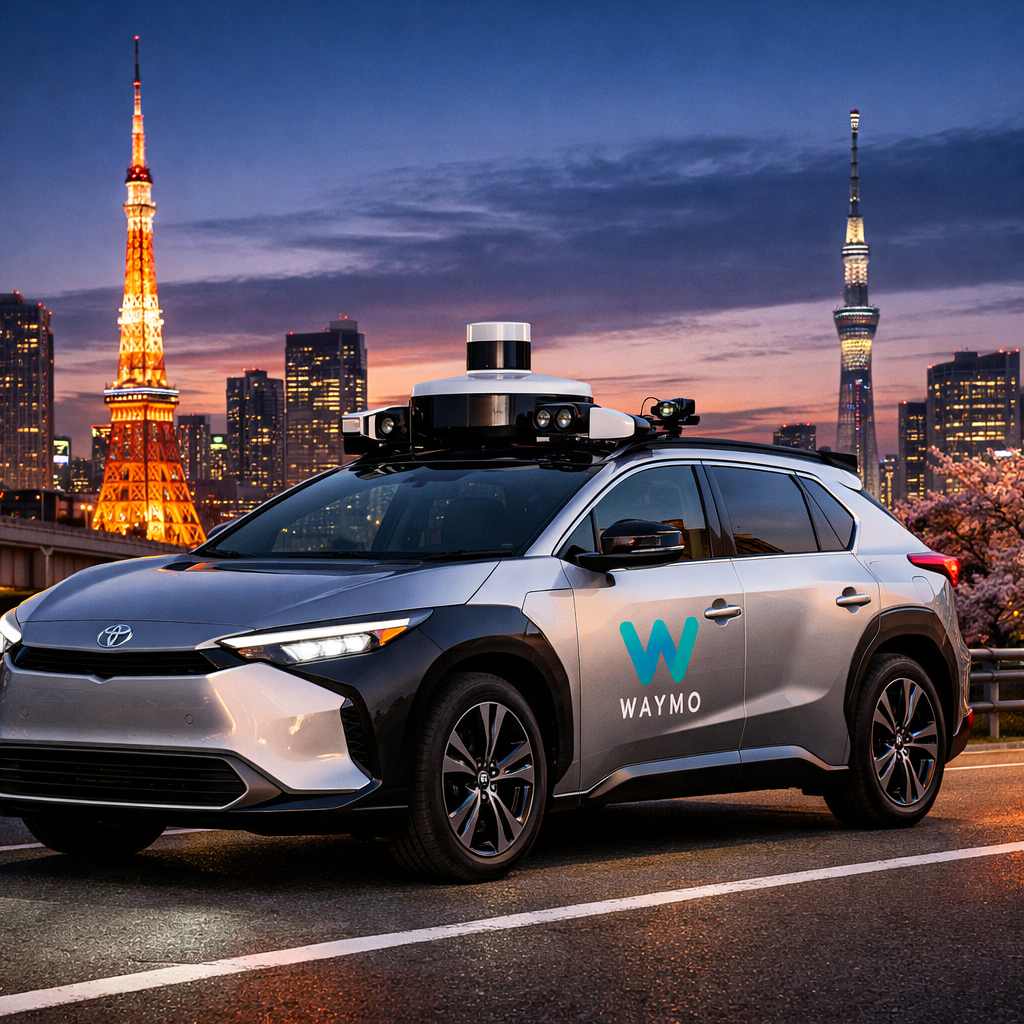
Waymo is expanding its robotaxi operations globally by tapping Toyota to build its next autonomous electric vehicle. The partnership centers on the 2027 Toyota bZ4X, which will be outfitted at Toyota’s Takaoka factory in Japan with Waymo’s self-driving system. Initial testing of the bZ4X robotaxi will begin in Japan next year, with plans to deploy the vehicles in other right-hand drive markets — foremost among them, the UK.
New robotaxi model and international rollout
Under the agreement, Toyota will manufacture the 2027 bZ4X EVs and integrate Waymo’s autonomous driving tech in Japan. Through this deal, Waymo aims to launch a robotaxi service in Japan in the future. The UK, where Waymo has already been testing autonomous Jaguar I-Pace models in London, is expected to follow once regulators approve its operations there.
From preliminary talks to concrete plans
This collaboration builds on a preliminary agreement struck about 18 months ago between the two companies to investigate autonomous vehicle platforms. Until now those negotiations were vague, but the new deal transforms that exploratory stage into a concrete supplier relationship: Toyota will deliver new models tailored to Waymo’s robotaxi strategy in overseas right-hand drive markets.
Beyonds and safety ambitions
In addition to robotaxi deployment, Toyota and Waymo will investigate ways to bring Waymo’s autonomous technology to consumer-owned vehicles. They’ve also agreed to examine how real-world data from Waymo’s robotaxi operations can help improve road safety, potentially via tighter integration of vehicles and traffic infrastructure. Exactly what those initiatives will become remains to be seen, though senior Toyota leadership signaled they view these areas as important parts of the collaboration.
By transitioning to the bZ4X platform in key international markets, Waymo signals its move beyond its existing robotaxi fleet and a growing focus on overseas expansion. Whether this partnership enables faster regulatory approvals, more robust safety oversight, or a private-vehicle pilot remains to be watched closely.