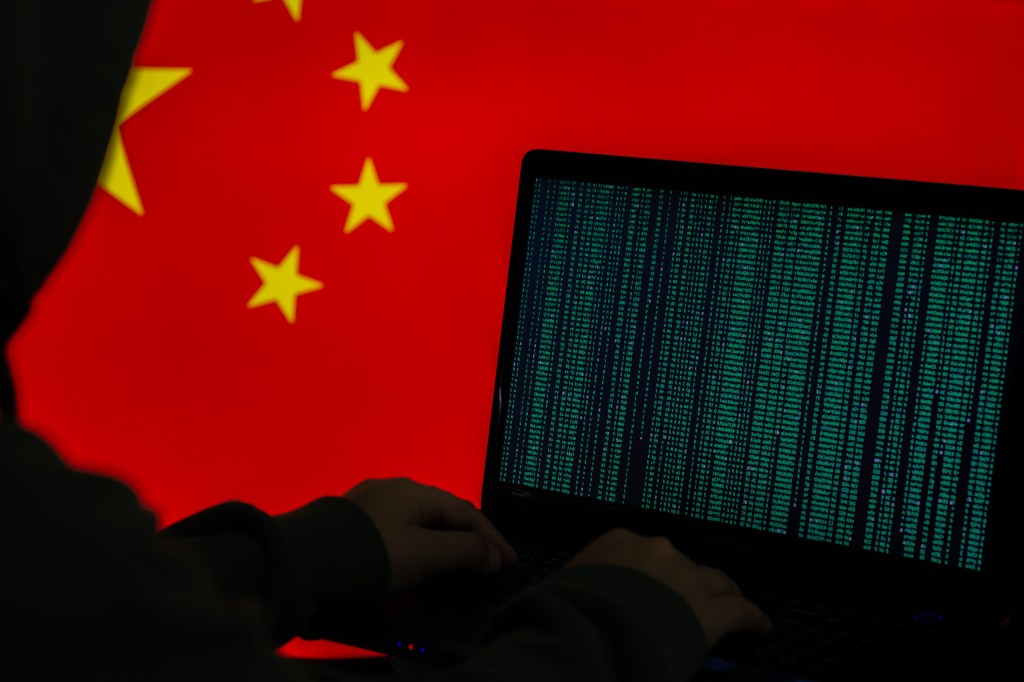
Chinese Spies Exploit LinkedIn to Extract Sensitive Information from Western Professionals
In a recent joint advisory, intelligence agencies from the United States, United Kingdom, Australia, Canada, and New Zealand have raised alarms about Chinese operatives leveraging professional networking platforms, notably LinkedIn, to illicitly gather sensitive information from Western individuals. ([techcrunch.com](https://techcrunch.com/2026/06/04/chinese-spies-are-using-linkedin-to-lure-westerners-into-sharing-sensitive-information/?utm_source=openai))
Modus Operandi of Chinese Intelligence
Chinese intelligence agents are reportedly masquerading as recruiters or representatives of fictitious companies based outside China. Their primary objective is to establish connections with professionals who possess access to non-public information that could be advantageous to Beijing’s strategic interests. This tactic underscores a shift from traditional cyber espionage methods to more direct human engagement through widely-used online platforms.
Targeted Individuals and Sectors
The advisory highlights that individuals with security clearances, military personnel, journalists, academics, and think-tank employees are particularly susceptible to these espionage efforts. By analyzing resumes and professional backgrounds, Chinese operatives identify potential targets who are likely to have access to sensitive or proprietary information. Even unclassified data, when aggregated, can provide valuable insights that bolster China’s military, political, and economic strategies.
Broader Context of Chinese Espionage Activities
This revelation is part of a broader pattern of Chinese espionage activities. For instance, in 2018, the U.S. Department of Justice indicted Chinese spies for hacking into numerous American technology and industry giants to steal intellectual property. ([techcrunch.com](https://techcrunch.com/2018/12/20/us-indictment-tech-hacks-chinese/?utm_source=openai)) Additionally, reports have surfaced about Chinese authorities employing sophisticated tools to extract data from seized phones, further demonstrating the multifaceted nature of their intelligence operations. ([techcrunch.com](https://techcrunch.com/2025/07/16/chinese-authorities-are-using-a-new-tool-to-hack-seized-phones-and-extract-data/?utm_source=openai))
LinkedIn’s Response and Platform Security
In response to these allegations, LinkedIn has reiterated its commitment to maintaining platform integrity. A spokesperson stated, Creating a fake account or misrepresenting your identity is a clear violation of our terms of service. We remain focused on detecting state-sponsored abuse and will continue to enforce our policies against fake accounts. This statement underscores the platform’s ongoing efforts to identify and mitigate malicious activities.
Implications for Professionals and Organizations
The exploitation of LinkedIn by foreign intelligence services serves as a stark reminder of the vulnerabilities inherent in online professional networking. Professionals are advised to exercise heightened vigilance when approached by unfamiliar recruiters or companies, especially those offering unsolicited opportunities. Organizations should also implement robust cybersecurity training programs to educate employees about the risks of social engineering and the importance of safeguarding sensitive information.
Conclusion
The strategic use of LinkedIn by Chinese spies to extract sensitive information from Western professionals highlights the evolving landscape of global espionage. As digital platforms become increasingly integral to professional networking, they also present new avenues for intelligence operations. It is imperative for individuals and organizations to remain vigilant, verify the authenticity of online interactions, and adopt comprehensive security measures to protect against such covert activities.