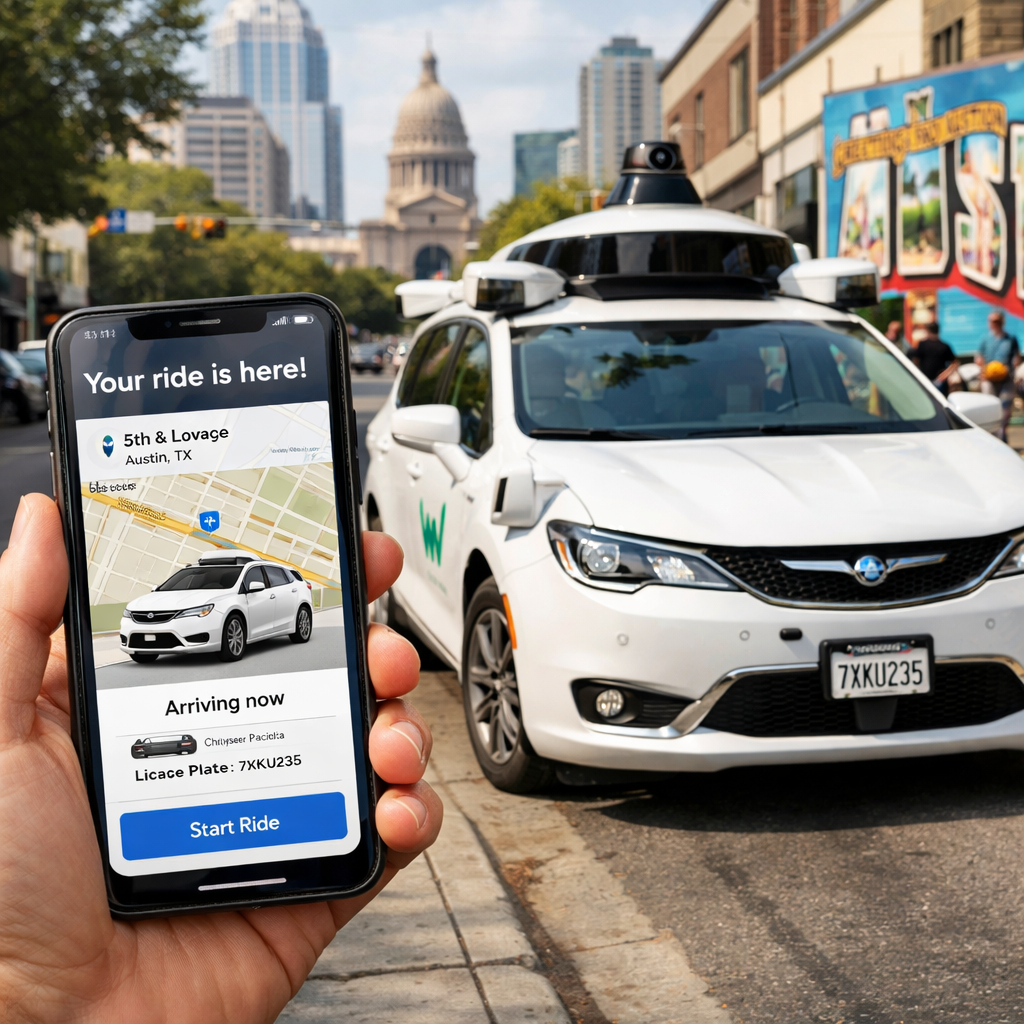
Waymo is officially ending its robotaxi integration with Uber in Austin and Atlanta, starting in January 2028. The autonomous driving company will stop letting riders hail robotaxis through Uber’s app in those cities and will use its own app instead. This confirms earlier reporting that Waymo planned to leave Uber before their agreement expires in May 2028.
Reasons for the Separation
One of Waymo’s co-CEOs cited concerns over rider experience under the current setup. People trying to use robotaxis in Austin or Atlanta often don’t know whether the ride they’re booking will be a self-driving vehicle or a conventional human-driven car. Waymo says feedback from customers in those markets has pushed the decision toward giving users clearer expectations.
When the partnership began, Uber provided scale: integrating Waymo rides into its existing app was one way Waymo could reach more customers. But over time, as autonomous vehicles grow, Waymo is choosing to have more direct connections with riders and full control over the experience.
What Changes in Practice
Starting January 2028, if you’re in Austin or Atlanta and want a Waymo robotaxi, you’ll need to use Waymo’s own app to request one. If you’re using Uber in those areas, robotaxi rides won’t be an option.
Uber pushed back on some of Waymo’s remarks, saying it was actually Waymo’s decision not to enable booking Waymo-robotaxis directly from Uber’s app in the future. While Uber hosts many partners in its ride-hail network, Waymo is taking a different path by pulling back from that model in these two cities.
This separation would not immediately affect markets outside Austin and Atlanta. In cities where Waymo already runs robotaxi service via its own app, or has a different arrangement with Uber, those will continue as is—for now.
Timing & Broader Context
The decision breaks from an earlier timeline: Waymo and Uber’s deal was officially set to expire in May 2028. Confirming the January cut-off means they’re ending the arrangement about four months early. That said, this early split applies specifically to Austin and Atlanta.
Waymo has been one of the most recognizable names in self-driving technology, having spent years developing autonomous driving hardware, software, and services. Uber, meanwhile, has long sought to integrate robotaxi services via partners to boost its autonomous ride-hail offerings. Their relationship reflects a growing pattern where AV companies seek more control over customer interaction and brand identity.
For riders, this change may initially cause some confusion, especially if you’ve relied on Uber to summon robotaxis. But it also means Waymo is betting that stronger brand control and consistent user experience will help its robotaxi efforts scale more smoothly—and distinguish itself in the autonomous vehicle market.
Final Note: As AV technologies continue to become more viable, companies face a balance: should they prioritize reach via third-party platforms, or build direct relationships with users? Waymo’s move suggests the industry could tilt toward the latter. We’ll be watching whether other robotaxi operators follow suit, and how Uber adjusts its strategy in markets where partners pull back in favor of proprietary apps.