Navigating the Complex Terrain of Robotaxi Deployment: A Reality Check
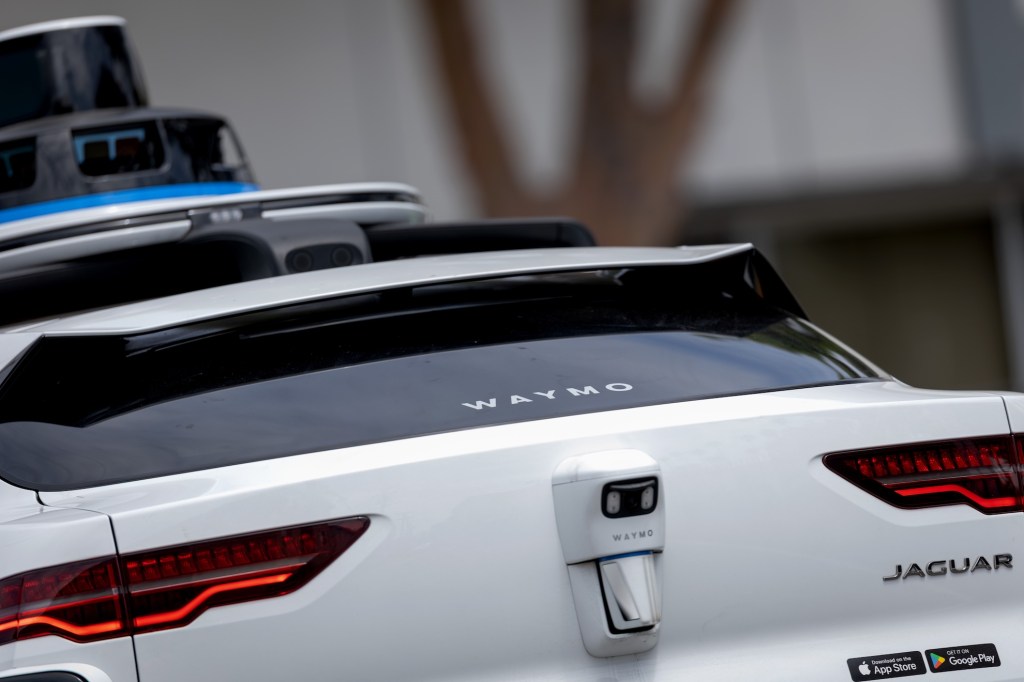
The advent of autonomous taxis, or robotaxis, has been heralded as a transformative leap in urban transportation. Companies like Waymo have made significant strides, deploying these vehicles in cities such as San Francisco. However, recent developments underscore the complexities and challenges that accompany this technological evolution.
Operational Challenges in Adverse Weather Conditions
Waymo, a frontrunner in the autonomous vehicle industry, recently suspended its robotaxi services in several cities, including Atlanta, Dallas, Houston, San Antonio, Austin, and Nashville. The primary concern was the vehicles’ inability to effectively navigate heavy rain and flooded roads. Specifically, the robotaxis struggled to recognize and avoid entering hazardous flooded areas. This issue prompted Waymo to issue a recall to address the problem.
Construction Zones and Freeway Operations
In addition to weather-related challenges, Waymo halted its robotaxi operations on freeways in cities like San Francisco, Los Angeles, Phoenix, and Miami. The decision was made to enhance the vehicles’ performance in construction zones, which present unique and unpredictable obstacles for autonomous systems.
The Conditional Nature of Robotaxi Deployment
These operational pauses highlight a critical reality: the deployment of robotaxis is currently conditional. While the technology has advanced to the point of commercial operation, it remains susceptible to various real-world variables. Each new city and operational scenario introduces unique challenges, necessitating continuous refinement and adaptation of autonomous systems.
Interconnected Ventures in the Musk Business Ecosystem
Beyond the immediate challenges faced by robotaxi services, the broader landscape of autonomous and space technologies is witnessing significant developments. Elon Musk’s ventures, notably Tesla and SpaceX, are increasingly interconnected. The recent IPO filing for SpaceX revealed substantial financial transactions between the two companies. In 2025, SpaceX purchased $506 million worth of Tesla’s Megapack energy storage products and $131 million in Cybertrucks. Additionally, SpaceX engaged The Boring Company, another Musk enterprise, for tunnel construction projects.
Future Collaborative Projects
Looking ahead, Tesla and SpaceX are embarking on ambitious joint projects. These include the development of Terafab, a chip-manufacturing facility, and Macrohard, an AI platform designed to utilize autonomous agents to augment human work. These initiatives signify a deepening collaboration between Musk’s companies, potentially leading to further integration or even a merger.
Conclusion
The journey toward fully operational and reliable robotaxi services is fraught with challenges, from environmental factors to complex urban infrastructures. Companies like Waymo are at the forefront of addressing these issues, but the path is iterative and demands ongoing innovation. Simultaneously, the intertwining of ventures within the Musk business ecosystem reflects a strategic consolidation of resources and technologies, aiming to accelerate advancements in autonomous and space technologies.