The race for domination in personal AI agents is heating up, with established players like Meta (Muse), OpenAI (Dot), and Instinct pushing ahead. But investor Vinod Khosla is placing his chips on a newcomer: Wajo. He argues that Wajo’s edge isn’t raw capability—it’s trust. Built by veteran engineers from DeepMind and Google, Wajo is being designed from day one to prioritize privacy, safety, and user confidence.
What Is Wajo Doing Differently?
Wajo’s AI assistant, called Fo, operates similarly to agents like Muse or Instinct. It can handle tasks across iMessage, WhatsApp, and via a web interface, sorting errands into categories like scheduling, gifting, and life administration. Fo can also place calls to businesses or third parties to book, cancel, or arrange services—tasks agents of this kind are increasingly expected to do.
In early trials, Fo successfully called an airline to check for upgrades; in another, trying to remind someone to feed pets didn’t go smoothly. Disclosures—essentially transparency about when an AI is speaking—weren’t always clear in that instance. Since rivals are also gradually unlocking calling features, the industry is likely to see more debate about how and when agents should reveal themselves during calls.
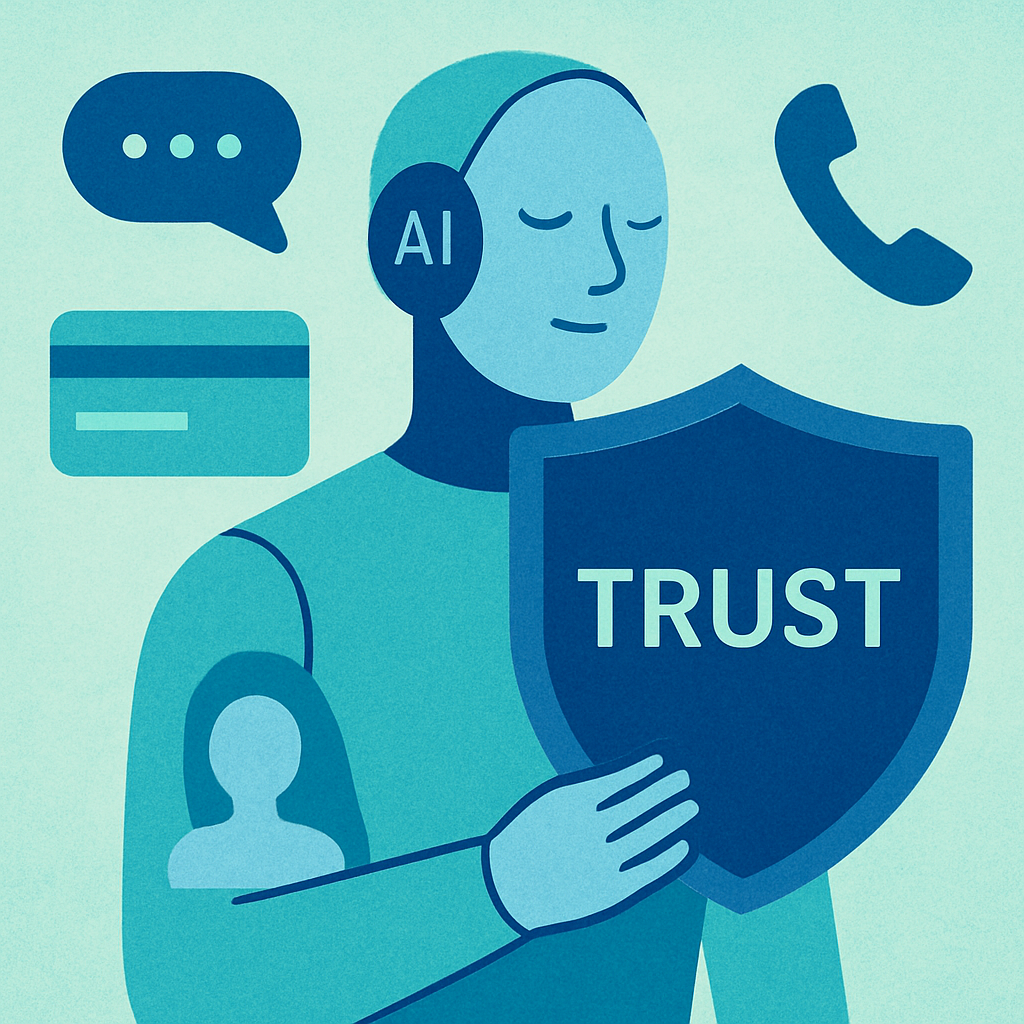
What sets Wajo apart: it can bring a human into the loop when needed, create virtual credit cards that conceal the user’s personal details, and host its own email account for interactions on users’ behalf. When websites or services block AI agents, Fo can prompt the user to act, or facilitate a user-plus-business verification process.
Trust and Safety: Wajo’s Core Principles
Founder Shivani Poddar—formerly with DeepMind, Google, and Meta—designed Wajo with trust baked in from the start. She stresses that agents need the ability to “unlearn” user data—once access is granted, it should not persist indefinitely unless explicitly needed. That principle, along with architecture decisions and product design, aim to keep user data safe and private.
To that end, Wajo has filed for a patent on its virtual card system so that online merchants never see a user’s personal details. For Fo’s calling features, it’s introducing a trusted contacts list—only those selected can be contacted via the agent. There are also built-in kill-switches: if you say “don’t call me again,” that preference is recorded and enforced.
Wajo has seen quick global adoption since its late-September launch, claiming usage in 107 countries and a tenfold growth in that short span. It counts prominent backers like Jeff Dean and Gokul Rajaram, though disclosure of exact funding amounts or user figures is still limited.
Challenges Ahead
Marketing trust as a selling point puts Wajo under intense scrutiny. The company must prove that it lives up to the safety promises it touts, especially as privacy concerns intensify around personal AI. It also must steer clear of conflicts with policies from platforms like Amazon, where some agents—including Muse—have already run into blocks for violating Terms of Service.
Wajo aims to extend its agent’s capabilities into social settings—like handling tasks involving multiple users—while keeping mutual privacy intact. That’s a delicate balance: collaboration without compromising individual control.
Wajo’s story signals a shift in what users may demand from AI. Capability alone isn’t enough anymore—trust could be the ultimate differentiator. As AI agents get more conversational, act autonomously, and hold more personal data, how they manage transparency, privacy, and control will make or break user adoption. Keep an eye on whether Wajo’s trust-first design is resilient when the spotlight is on.