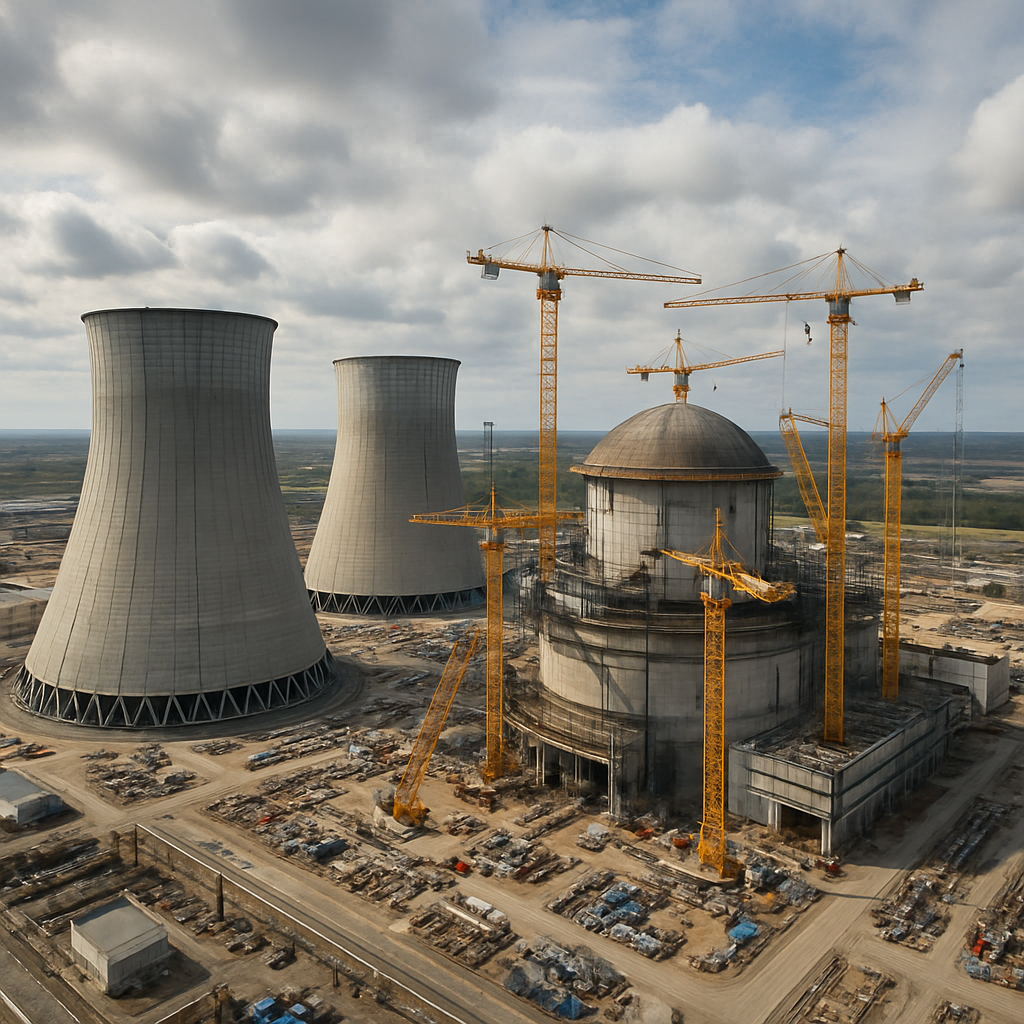
Google’s plan to resurrect an Iowa nuclear power plant has taken a major step forward: NextEra Energy has secured a $1.9 billion loan from the U.S. Department of Energy to refurbish the Duane Arnold Energy Center. The facility, which has been offline since 2020 due to storm damage, is expected to restart operations in 2029. Just 50 megawatts of its capacity will be dedicated to a local cooperative, covering nearly one-fifth of Iowa’s demand growth since 2021.
Reviving Nuclear Amid Rising Power Needs
The move reflects a broader shift in energy strategy: as the AI boom and other trends drive electricity demand upward, the U.S. is increasingly turning to refurbished nuclear reactors as reliable, low-carbon power sources. Earlier this year, Constellation Energy received a $1 billion DOE loan to restart a reactor at the Three Mile Island facility; Microsoft is also participating in that project, which is slated to come back online in 2028.
Corporate giants are also turning shuttered nuclear plants into clean energy assets. Meta recently committed to purchasing emissions credits from the 1.1 GW Clinton Clean Energy Center in Illinois—keeping its electrons on the local grid while offsetting emissions elsewhere. In Iowa, the revamped Duane Arnold facility is expected to increase its output by about 14 megawatts above its previous peak, bringing its total generating capacity to roughly 615 MW.
Why Now? Economics, Policy, and AI All Align
The Duane Arnold plant was taken offline in 2020 after a severe rainstorm damaged critical systems, and it wasn’t worth repairing then thanks to low natural gas prices. But as utility demand has surged—driven in part by data centers for AI and broader electrification—nuclear’s appeal has spiked as a source of clean, firm power in contrast to intermittent renewables.
Google is reportedly planning up to six data centers near the revived plant. Its growing electricity demand mirrors projections that the data center sector will nearly triple its power footprint by 2035. These projects are increasingly seen as part of a strategy to secure dependable, zero-emission energy supply.
The revived nuclear plants—Duane Arnold, Three Mile Island, and Illinois’s Clinton facility—are considered the “low-hanging fruit” in U.S. nuclear restarts. Plants like San Onofre in California are also potential candidates but would require more extensive work to come back online.
Rebooting nuclear power at scale faces hurdles, notably regulatory approvals, high upfront costs, and community and safety concerns. But government backing—especially large-scale loans like this one—signals a policy and investment environment increasingly favorable to clean nuclear power.
Analytical Angle: This $1.9B loan isn’t just about one reactor in Iowa—it marks a milestone in how public policy, corporate demand, and climate urgency are merging. As tech companies like Google push toward massive energy use for AI and compute, they’re transforming energy grids. Reliable low-carbon baseload from nuclear is moving from fringe idea to core infrastructure. What to watch now: whether regulatory and permitting processes can keep pace, if state-level electricity markets adapt, and how the balance between nuclear, renewables, and storage shapes in next 3-5 years.