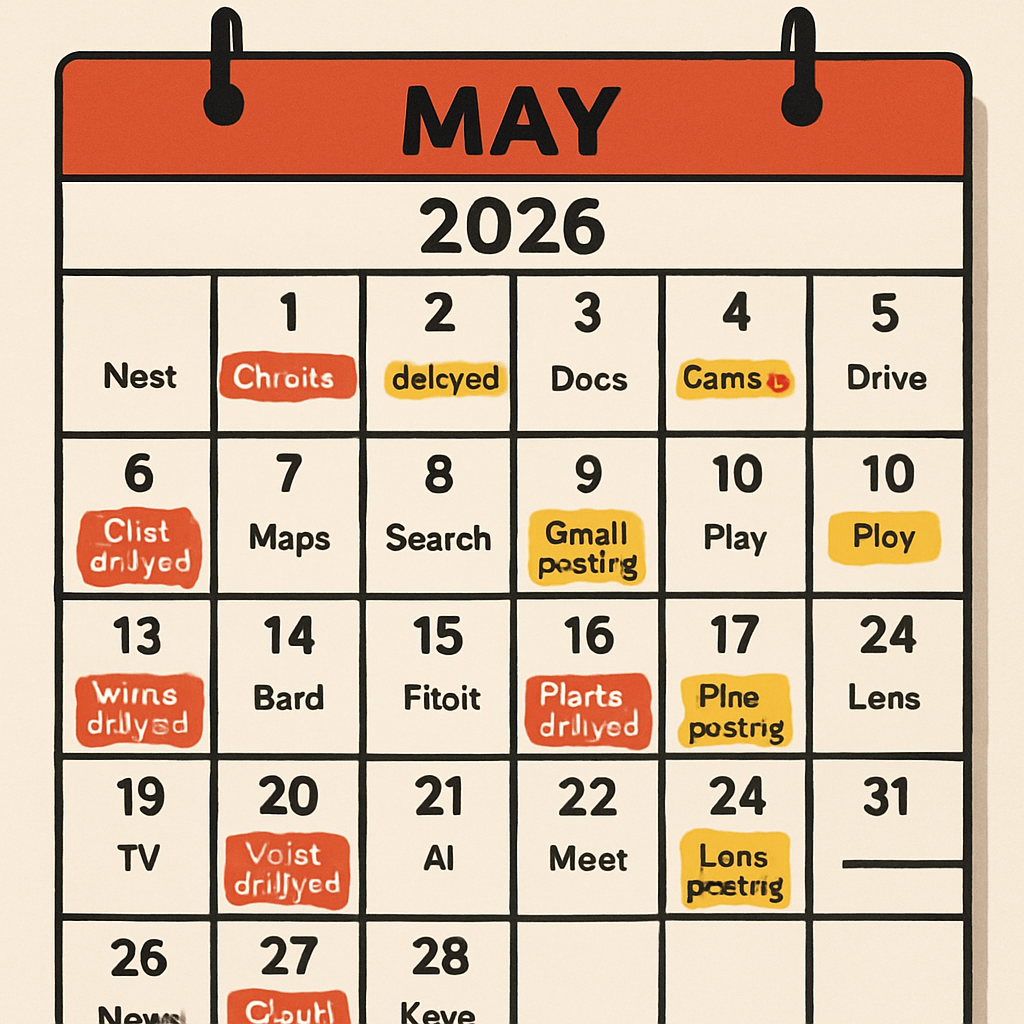
In 2026, Google has unveiled an impressive array of 40 distinct software and platform products. However, the rollout of these innovations has been uneven, with only 13 reaching a broad audience, many of which remain exclusive to U.S. users.
For instance, Gmail’s AI Inbox, introduced at CES in January, is still accessible solely to Google AI subscribers within the United States. Similarly, major announcements from the Android Show and Google I/O, such as the new Googlebook laptops and the AI-driven Universal Cart shopping experience, have yet to materialize. The Universal Cart Platform (UCP), a foundational element for these services, has been notably inactive since April.
Hardware releases have also faced delays. Google’s proprietary Home Speaker debuted recently, but the anticipated expansion of the Gemini AI system to third-party speakers remains pending. Additionally, the launch of Gemini 3.5 Pro and its more affordable counterpart, 3.5 Flash, announced in May, has been postponed due to internal performance benchmarks not meeting expectations.
Despite these setbacks, some features have successfully reached users. The integration of AirDrop functionality into more Android devices has been well-received. Furthermore, Spark, the agentic component of Gemini, has been deployed to AI Ultra subscribers in the U.S., with plans to extend to the Pro tier in the near future.
Google’s strategy of announcing products well ahead of their availability is not new, especially for markets outside North America. However, the introduction of tiered AI offerings has added complexity to this approach. High-demand AI features are now often restricted to premium Gemini Ultra plans, further segmenting the user base.
While Google has set numerous “coming later this summer” targets, the actual delivery of these innovations remains to be seen. Users eager to experience the latest AI advancements may need to exercise patience as the company works to fulfill its ambitious promises.
As Google continues to push the boundaries of technology, the challenge lies in balancing innovation with timely and widespread implementation. The current pattern of announcements followed by prolonged delays could impact user trust and satisfaction. Moving forward, a more synchronized approach between product announcements and availability may enhance user experience and maintain Google’s competitive edge in the rapidly evolving tech landscape.