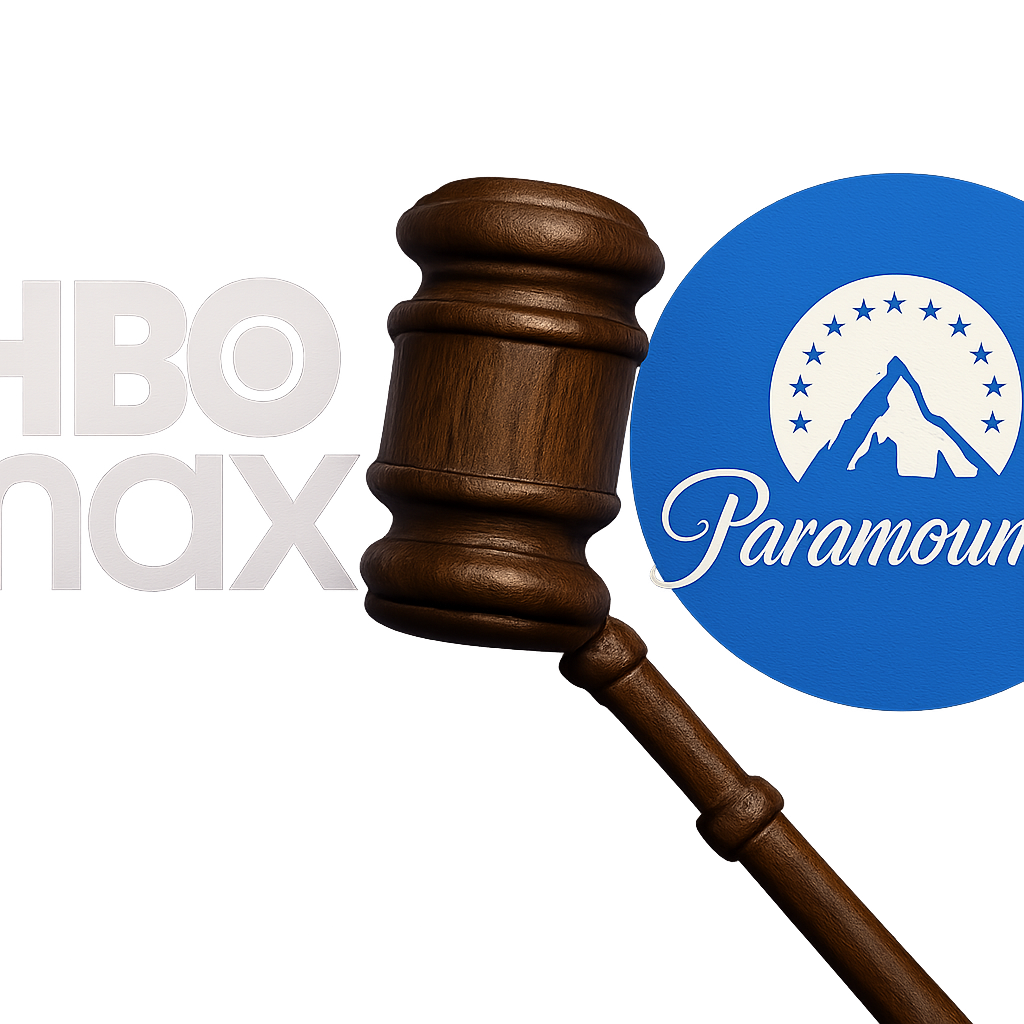
The anticipated merger between streaming giants HBO Max and Paramount+ is encountering significant legal challenges that may derail the consolidation plans. Initially announced in March 2026, the merger aimed to combine the two platforms into a single service, enhancing their competitive stance in the streaming market.
However, a coalition of twelve state attorneys general, led by California, has filed a lawsuit citing antitrust concerns. They argue that the merger would reduce competition, potentially leading to higher prices and less content diversity for consumers. In response, U.S. District Judge Araceli Martínez-Olguín issued a 14-day temporary restraining order, halting the merger’s progress. A preliminary injunction hearing is scheduled for August 3, 2026.
Paramount, now under the control of Skydance and its CEO David Ellison, had planned to integrate HBO Max and Paramount+ into a unified platform boasting over 200 million subscribers. The company asserts that the merger is essential to compete with industry leaders like Netflix and to offer a more robust content library to subscribers.
Despite these intentions, the merger faces additional opposition. The Writers Guild of America (WGA) has filed a federal lawsuit, expressing concerns that the consolidation would harm screenwriters by reducing competition, leading to suppressed wages and fewer creative opportunities. The WGA’s complaint highlights potential antitrust violations across various writing markets, including episodic series and major theatrical releases.
Internationally, the merger is under scrutiny as well. While some foreign regulators have approved the deal, authorities in the European Union and the United Kingdom are still reviewing its implications. Paramount and Warner Bros. Discovery aim to finalize the merger by the end of September 2026, but these legal and regulatory challenges cast uncertainty over that timeline.
For consumers, the merger promised a consolidated streaming service combining the extensive libraries of both platforms, potentially offering a more comprehensive entertainment experience. However, the current legal obstacles suggest that such benefits may be delayed or even reconsidered.
As the streaming industry continues to evolve, this case underscores the delicate balance between corporate consolidation and maintaining a competitive market that serves both creators and consumers. The outcome of these legal proceedings will likely have lasting implications for the future of media mergers and the streaming landscape.