The UK government has renewed calls for stricter child-safety rules for tech companies like Apple, arguing the tech giant hasn’t done enough even as Apple introduces a suite of protections already in place.
Existing Protections Apple Has Rolled Out
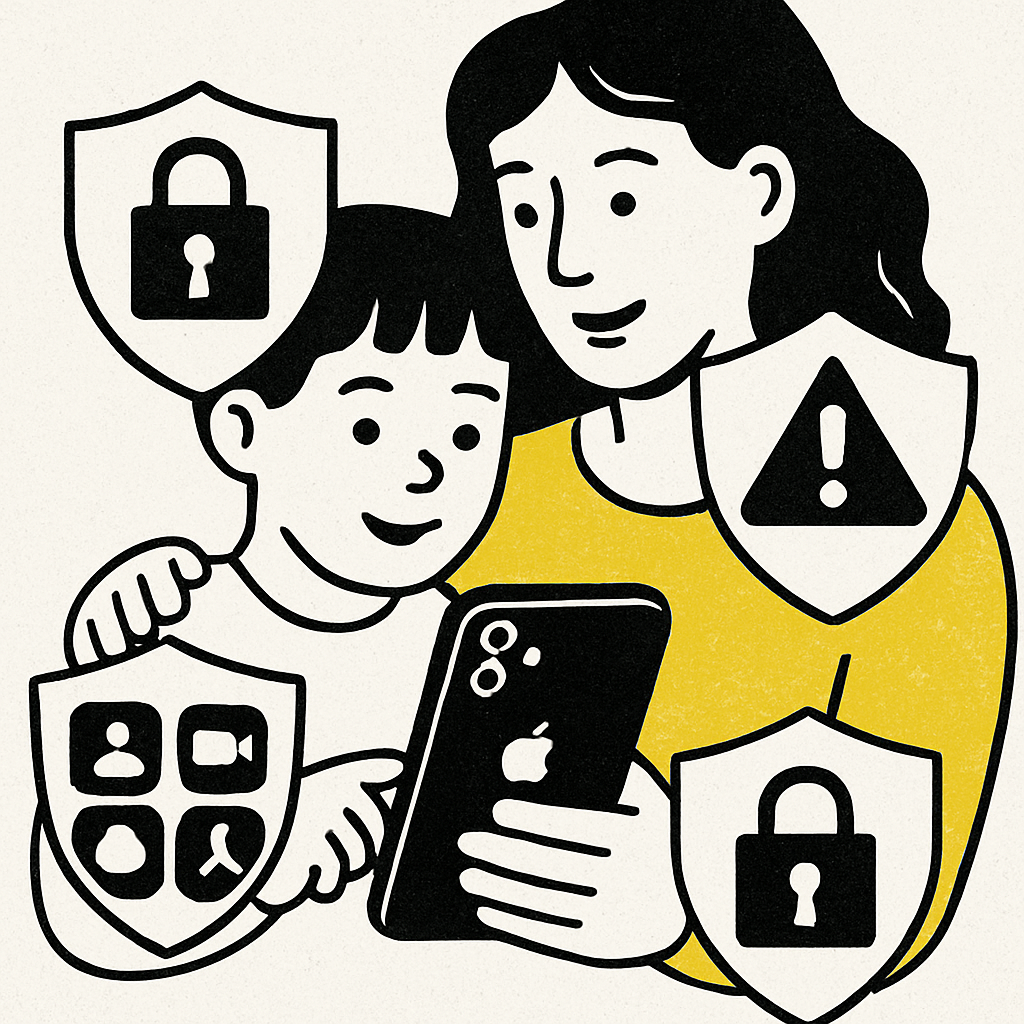
Apple offers various tools to help parents control what their kids see online. These include parental controls that limit app access, communication tools, and screen time settings. Sensitive Content Warnings, introduced in 2023 for child accounts and later expanded to adults, alert users — rather than block content outright — within Messages, FaceTime, and third-party apps using Apple’s API. In the UK specifically, age verification systems have been added.
Coming in iOS 27, Apple is launching a refreshed child safety suite that significantly expands what parents can oversee. The new controls will allow parents to manage nearly every interaction their child has with their device, including which websites they can visit. The feature set reflects a complex balance between safety and privacy.
UK’s Position: Not Enough Yet
Despite these efforts, the UK’s Culture Secretary has threatened legislation, claiming Apple’s measures are insufficient. Lawmakers have not clearly detailed which protections remain missing or how existing tools fall short. The pressure is especially high in light of recent laws such as a social media ban for users under 16, intended to protect mental health but criticized for driving young people toward less safe online spaces.
One point of contention is that many of Apple’s safety tools are opt-in. Developers aren’t required to integrate features like sensitive content filters. That loophole leaves some apps without protection for children. Civil liberties advocates also warn that deep parental control may violate children’s ability to learn, explore identities, or access important resources independently, especially for those in sensitive situations.
Apple maintains its systems were designed with privacy in mind. For example, when verifying a user’s age, the company relies not on a database of private details but on less invasive indicators — like Face ID results or the age of an Apple account — avoiding more traditional ID checks.
The government has said if tech firms build out better restrictions voluntarily, formal legislation may not be needed. But with no timeline or specifics yet shared, voices across both sides remain skeptical that voluntary measures will be sufficient.
The Privacy-Safety Trade-Off
Parents’ control over child accounts has expanded to an unprecedented level, but the increase in oversight has raised new questions. LGBTQ+ youth worry that rigid parental controls could block them from seeking support or exploring identity online. Others argue that over protection, especially without transparency or flexibility, may suppress autonomy and developmental growth.
While UK officials demand more robust action, private-sector companies like Apple are in a tight position: enhancing safety without overstepping into surveillance. What’s clear is that both tech companies and regulatory bodies will be under scrutiny as iOS 27 rolls out.
Although Apple has implemented many of the protections the UK seems to want, lawmakers and advocates are pushing for more clarity, consistency, and accountability — especially around mandatory use of safety tools and how protections are enforced across all apps.
What this means: The debate marks a watershed moment for how we expect child safety online to be regulated. Should governments legislate universal protections, or should tech companies voluntarily build safer tools? Keep an eye on what requirements the UK eventually spells out — they may well become a template for international regulation.