Federal agencies have issued a severe warning: malicious actors are breaching industrial refrigeration and cold chain monitoring systems globally, threatening the safety of food, medicine, and other temperature-sensitive products. CISA, the FBI, along with the Departments of Health and Human Services, Agriculture, and Transportation, released the alert on November 5, 2026 to sound the alarm.
Risks to Critical Infrastructure
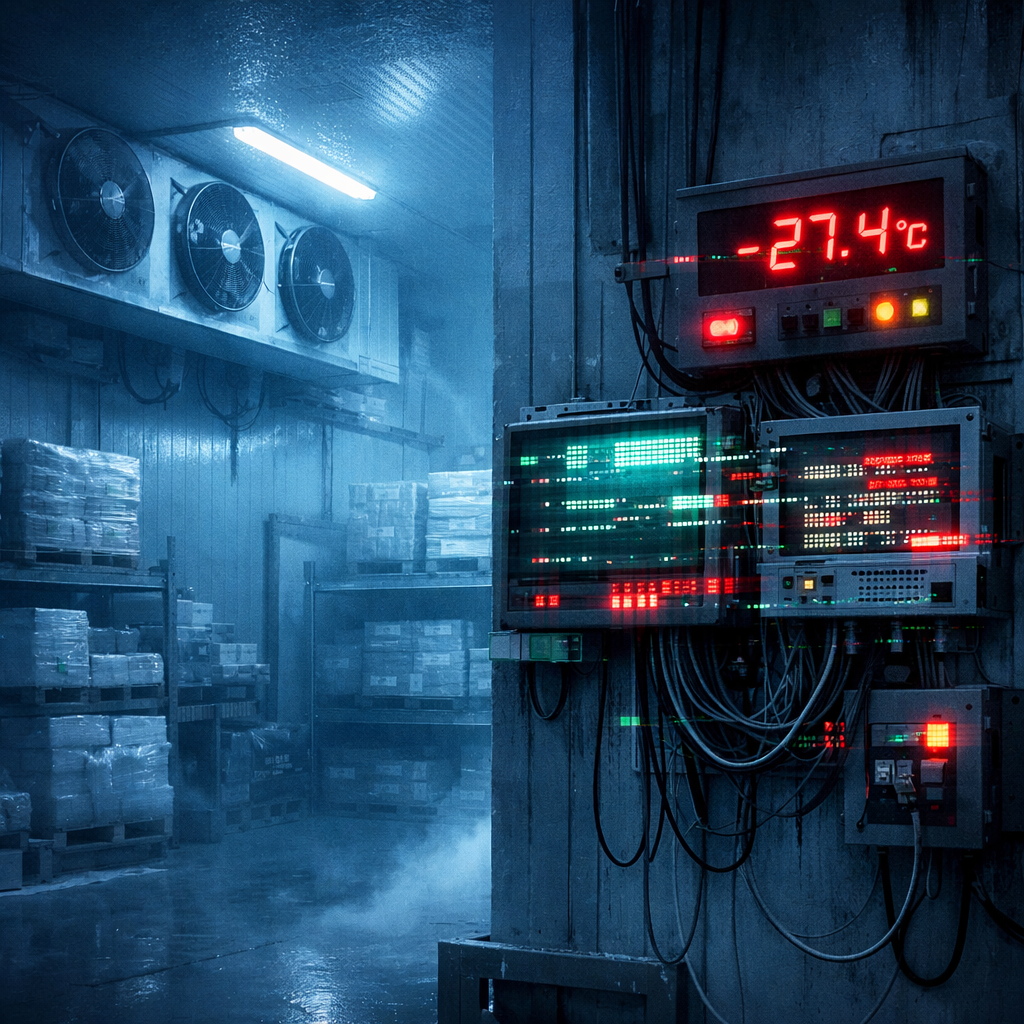
Systems used in healthcare, food production, agriculture, chemical processing, and transportation—especially those managing refrigerated storage or delivery—have become targets. Vulnerabilities in electronic temperature controllers and commercial refrigeration units, including ones in grocery stores and cold storage warehouses, allow attackers remote access that can upend both cooling operations and storage safety.
The warning details three primary ways threats are being carried out: bypassing authentication checks, injecting arbitrary code, and exploiting weak configuration settings. These methods can grant attackers full control over refrigeration systems without naming specific vendors or disclosing known vulnerabilities.
Potential Consequences and Real-World Incidents
If attackers gain control of refrigeration systems, they can induce perpetual defrost or heating cycles, distort temperature data visibility, or disable monitoring features. Such disruptions can lead to spoilage of goods, risk of fire, or health hazards from improperly stored food or medicine.
The advisory follows similar incidents in Europe where supermarket refrigeration controls were altered, forcing the disposal of chilled and frozen products. Previous research has also uncovered flaws in refrigeration controllers like those from Copeland, highlighting how vulnerabilities in controls and readings can be manipulated.
What Operators Should Do
The agencies recommend removing these refrigeration systems from direct exposure to the internet unless absolutely needed. If remote access is essential, it should be protected by secure firewalls or edge devices and kept up to date.
Operational technology (OT) networks should remain isolated from business IT systems. Default passwords must be changed, strong authentication enforced (ideally with phishing-resistant multi-factor options), and firmware updated regularly. Devices with no vendor support should be phased out.
Facilities should limit connections to trusted devices/IP addresses, maintain offline backups, monitor logs and network traffic thoroughly, and define alerts for unsafe temperature shifts. Organizations in the U.S. are urged to report suspicious activities to CISA or their local FBI office.
Ensuring safe storage temperatures isn’t just a logistical issue—it’s a matter of public health, economic stability, and supply chain integrity.
The cold chain—systems that keep goods refrigerated from origin to consumption—is vital in healthcare and food distribution. Attacks targeting them don’t just threaten property or profit; they risk human lives. Organizations managing these systems must treat this warning not as theoretical, but urgent. Vigilance, investment in security, and readiness to respond could mean the difference between containment and cascading failures.