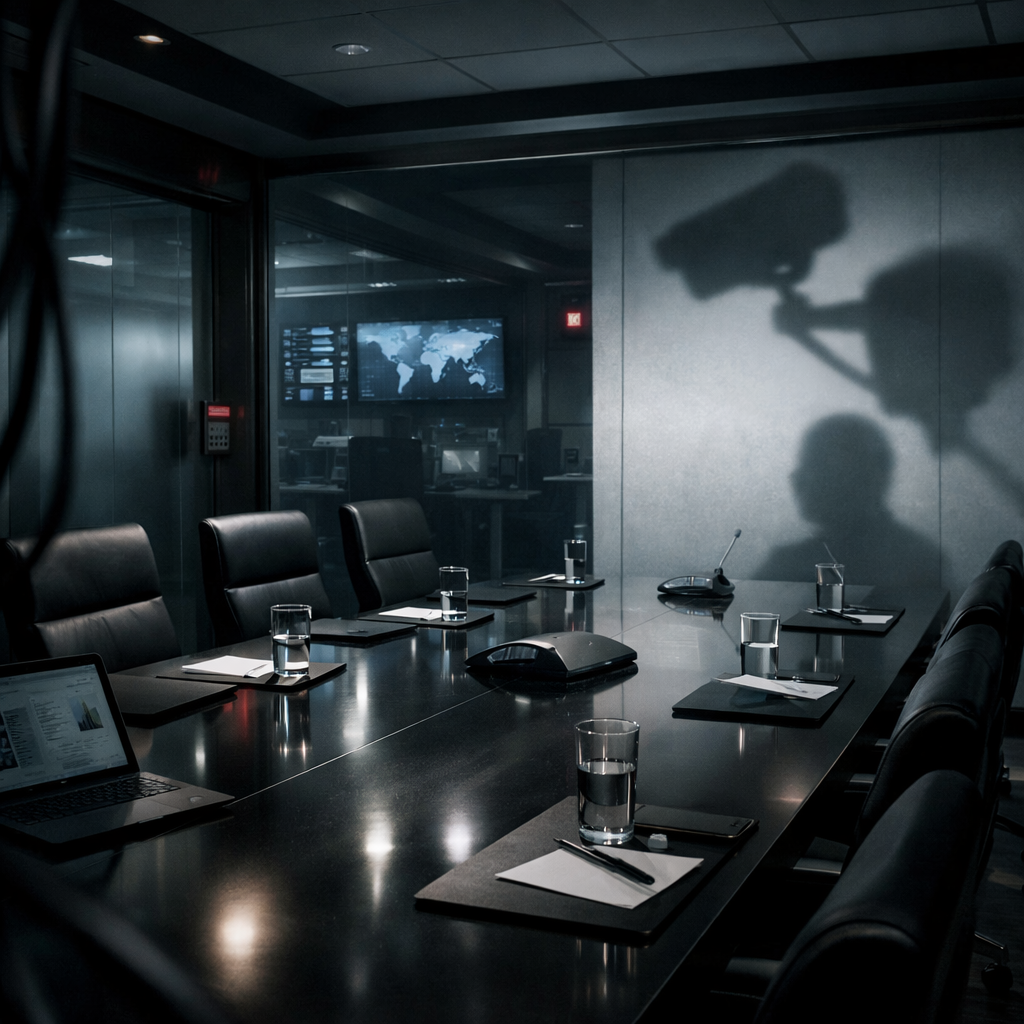
A former OpenAI engineer has entered a plea of not guilty after federal prosecutors accused him of installing a hidden audio recording device in one of OpenAI’s executive conference rooms.
35-year-old Abdulrahman Alfozan, a Saudi national, made the plea during a hearing in San Francisco federal court on Friday, following his arrest last month. He had been indicted by a grand jury on a single count of intercepting oral communications. His next court date is set for November 17, 2026. He remains in custody without bail since his arrest on October 9. Maximum penalties, if convicted, include up to five years in prison, a $250,000 fine, and three years of supervised release.
Prosecutors’ Allegations
Authorities claim Alfozan planted a sophisticated recording device in an executive meeting room at OpenAI with the intent to capture sensitive internal discussions. Court documents label him an insider threat, alleging he used custom, encrypted devices for the recordings. Further charges include frequent communication via WhatsApp with a member of the Saudi Royal Family, raising concerns over possible foreign interest in the recordings.
Just days prior to his arrest, Alfozan, his wife, and their son were scheduled to depart San Francisco for Riyadh on a one-way ticket. After the arrest, his family reportedly left the country without him: his wife and son flew first to Doha, then onward toward Saudi Arabia, using flights covered by the Saudi government and a Saudi military official. The timing and nature of the travel raised questions about flight risk and possible evasion.
What’s at Stake
This case touches on core issues of corporate security, internal trust, and the risk posed by trusted employees. OpenAI, a leading AI research organization, handles deeply sensitive strategy and proprietary development. If the allegations hold, this incident would represent a serious breach of internal privacy and could undermine confidence in how well organizations defend against insider threats.
The proceeding is now entering its early stages: Alfozan awaits a hearing on November 17, with trial dates and additional motions still to come. With the severity of the charges and the detailed allegations of clandestine communication and custom hardware, this case is likely to attract close scrutiny from corporate security teams and legal analysts alike.
At its core, this case raises fundamental questions about how companies safeguard their strategic operations against both internal risk and external influence. As cloud infrastructure firms, AI labs, and other high-stakes tech workplaces continue to grow, they’ll need to reexamine how much trust is placed in employees with access to critical spaces, and consider stronger detection mechanisms for physical and electronic surveillance. What happens here could set an important precedent.