President Trump Postpones AI Security Executive Order to Maintain U.S. Technological Leadership
In a recent development, President Donald Trump has deferred the signing of a pivotal executive order aimed at enhancing the security evaluation of artificial intelligence (AI) models prior to their public release. This decision underscores the administration’s commitment to preserving the United States’ dominant position in the global AI landscape.
The proposed executive order was designed to empower the Office of the National Cyber Director, along with other pertinent agencies, to establish a comprehensive framework for assessing AI models’ security features before they become publicly accessible. This initiative was largely motivated by the emergence of advanced AI systems, such as Anthropic’s Mythos and OpenAI’s GPT-5.5 Cyber, which have demonstrated capabilities to swiftly identify and exploit security vulnerabilities.
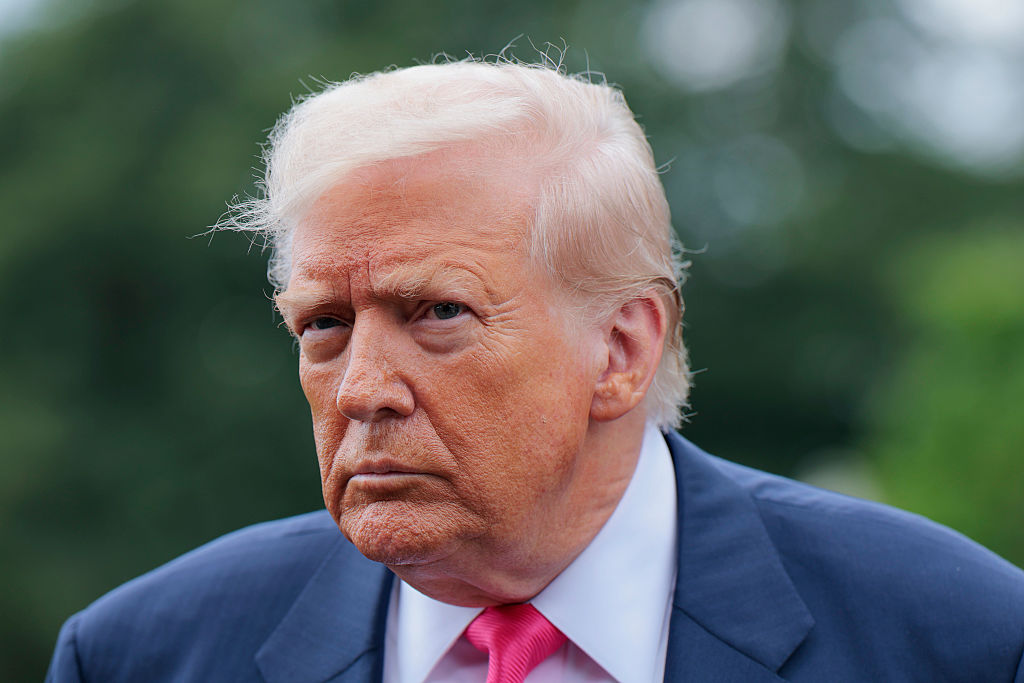
President Trump expressed reservations about certain provisions within the draft order. He stated, I didn’t like certain aspects of it. We’re leading China, we’re leading everybody, and I don’t want to do anything that’s going to get in the way of that leading. This sentiment highlights the administration’s cautious approach to regulatory measures that could potentially impede the nation’s technological advancements.
An unofficial reason for the postponement has also surfaced. Reports suggest that the delay was partly due to the inability of several prominent technology CEOs to attend the signing ceremony in Washington, D.C., on short notice. The administration values the presence of industry leaders during such significant events, and their absence may have influenced the decision to delay the order.
A particularly contentious element of the draft executive order is the proposed requirement for AI companies to share advanced models with the government between 14 and 90 days prior to their public launch. This stipulation has raised concerns within the tech industry about potential delays and the safeguarding of proprietary information.
President Trump acknowledged these concerns, noting that the current language of the order could have been a blocker. This acknowledgment indicates a willingness to revisit and refine the order’s provisions to balance security considerations with the imperative to foster innovation.