Tony Fadell, renowned for his pivotal role in developing the iPod, has recently emphasized the critical nature of selecting an appropriate AI assistant. He asserts that the enduring success of devices like the iPhone stems from a deep understanding of the behavioral changes they induce, not merely technological advancements. This perspective is equally applicable to the realm of AI assistants.
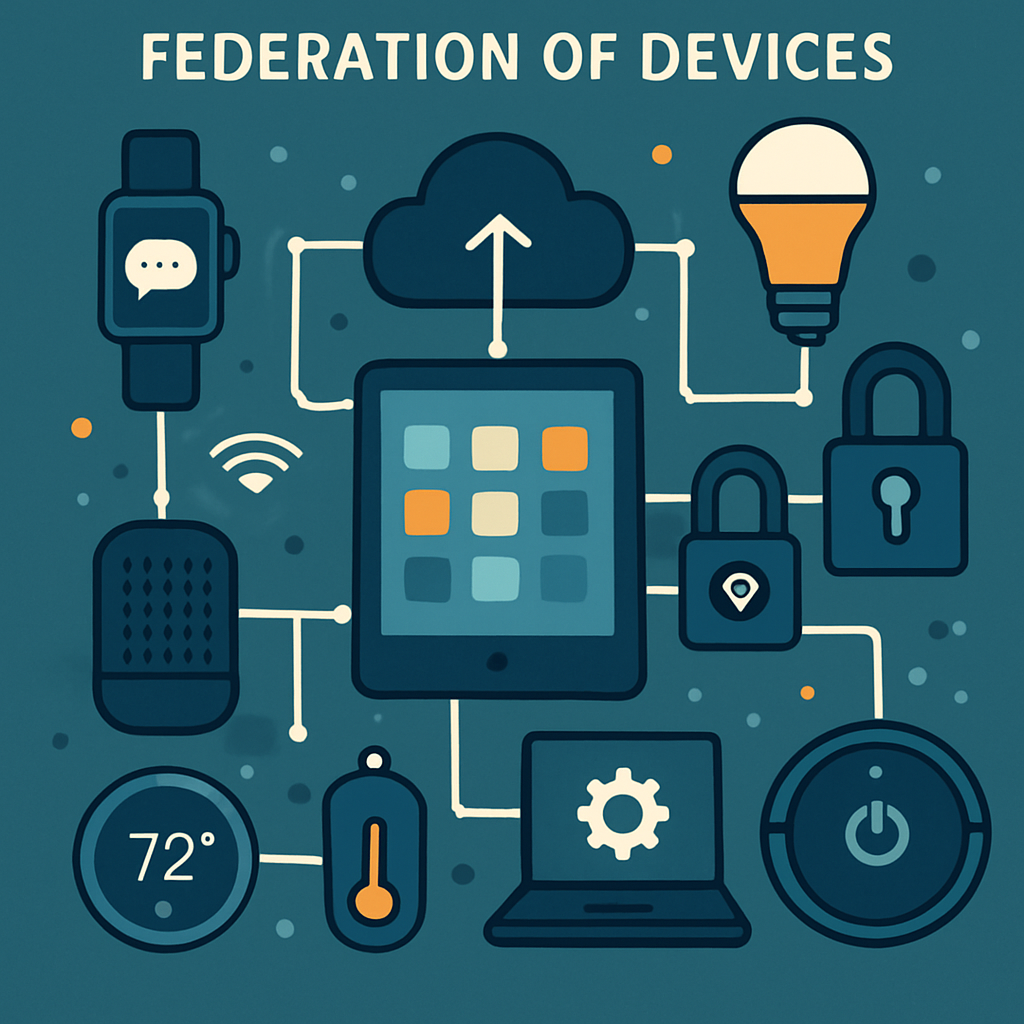
Fadell highlights that while individual cloud services offer fragmented insights into our lives, a cohesive network of interconnected devices—what he terms the ‘Federation of Devices’—can provide a comprehensive understanding. This integrated ecosystem, encompassing smartphones, smartwatches, laptops, and even smart glasses, collectively gathers diverse data points. The entity that manages this federation is poised to develop the most trusted and valuable AI assistant.
However, Fadell also raises significant concerns about the potential overreach of such powerful tools. An AI assistant that possesses intimate knowledge of our thoughts, behaviors, and daily routines could become excessively influential and potentially addictive. Drawing parallels to the iPhone’s transformative impact, which, despite its benefits, has contributed to issues like smartphone addiction and social isolation, he stresses the necessity of proactively addressing these challenges in the development of AI assistants.
In essence, Fadell advocates for a thoughtful approach to AI assistant development, emphasizing the importance of considering human behavioral shifts and the ethical implications of creating deeply integrated and influential technologies.