After nearly a decade steering Apple as CEO, Tim Cook officially stepped down on August 31, 2026. In a heartfelt memo to employees, he reiterated that while his title changes, his dedication to the company and its community won’t—he’s not departing Apple entirely, but passing the torch. Effective immediately, John Ternus, longtime hardware engineering head, assumes the CEO role. Cook praised Ternus as one of the few who deeply understands what it truly takes to build world-changing products.
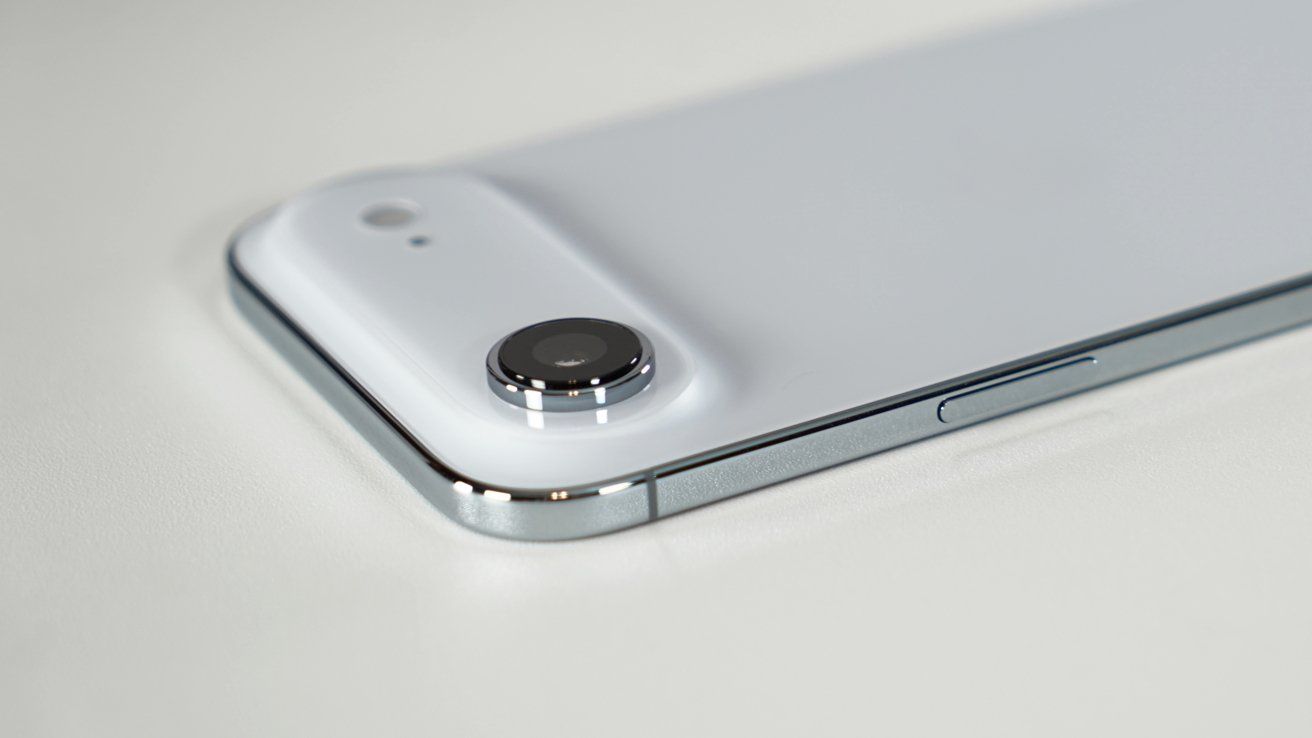
Cooking’s farewell marks more than just a leadership change—it signals a shift in Apple’s strategic priorities. Under Ternus’s watch, the company has already rolled out hardware-forward launches: the ultra-thin iPhone Air, the more affordable MacBook Neo, and AirPods featuring enhanced hearing-health features. He led the full device hardware engineering group before his promotion, showing recognized strength in product execution.
Hardware in the AI Era
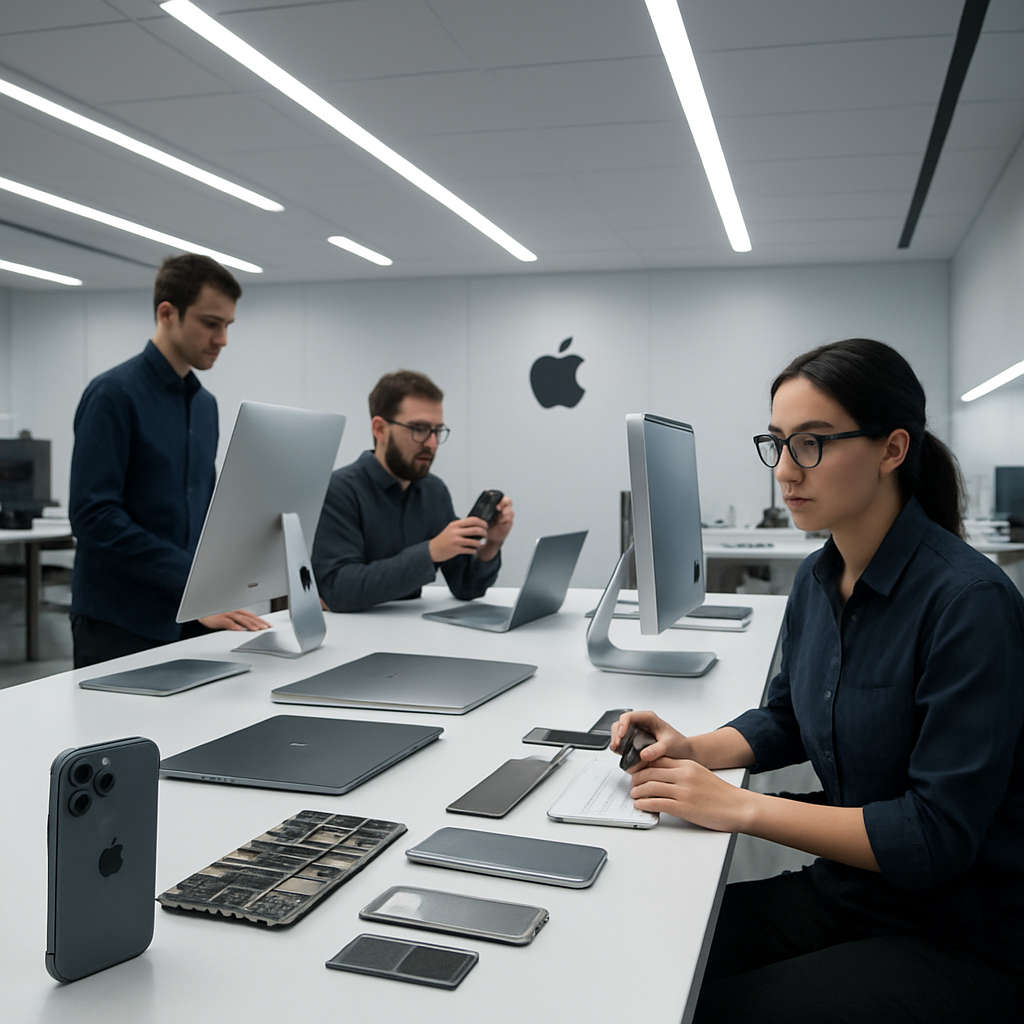
As artificial intelligence becomes more deeply embedded across personal and enterprise tech, Apple is adjusting its cadence. New Mac models like the Mac mini and Mac Studio were brought to market earlier than in past years, in part to meet rising demand for AI-capable workstations. Hardware, chips, and the design of devices are being elevated as core to Apple’s strategy.
Cook’s Parting Words
Rather than outlining specific plans for Apple’s AI roadmap, regulatory challenges, or its future in China, Cook’s memo offered gratitude and a reminder of culture. He emphasized that what Apple builds must matter, and that the company shares a responsibility to improve the world. Referencing Steve Jobs’s aspiration of making a “dent in the universe,” Cook said Apple’s impact comes from its values, its belief in making meaningful contributions, and the team’s ability to see the world with purpose.
Though stepping down as CEO, Cook will remain at Apple as executive chairman. He’ll continue managing external relationships with political leaders including U.S. President Donald Trump and Chinese officials. On social media, Cook expressed deep appreciation for the Apple community, reiterating that while the role has changed, his love and gratitude remain unchanged.
Cook’s transition reflects more than changing titles—it reflects a reallocation of power toward product and hardware excellence as AI reshapes what devices and computing should do. Ternus’s background suggests Apple will double down on building tools, devices, and systems from the ground up—rather than relying purely on services or software layer growth.
What Comes Next
With John Ternus in charge, stakeholders will be watching for two key questions: how quickly and boldly Apple moves in AI hardware innovation, and whether its hardware-first strategy shifts how it handles services, software, and regulatory pressures. It’s early days, but the signals suggest the company intends to emphasize its engineering backbone. For a company whose identity has long centered on tightly integrated hardware and software, this moment could herald a rebalanced Apple—where devices once again take the lead.
Cook’s final message is thus clear: Apple’s future lies firmly in the hands of a product builder—a CEO who knows not just how to guide a tech giant, but how to ship devices that redefine our relationship with technology.