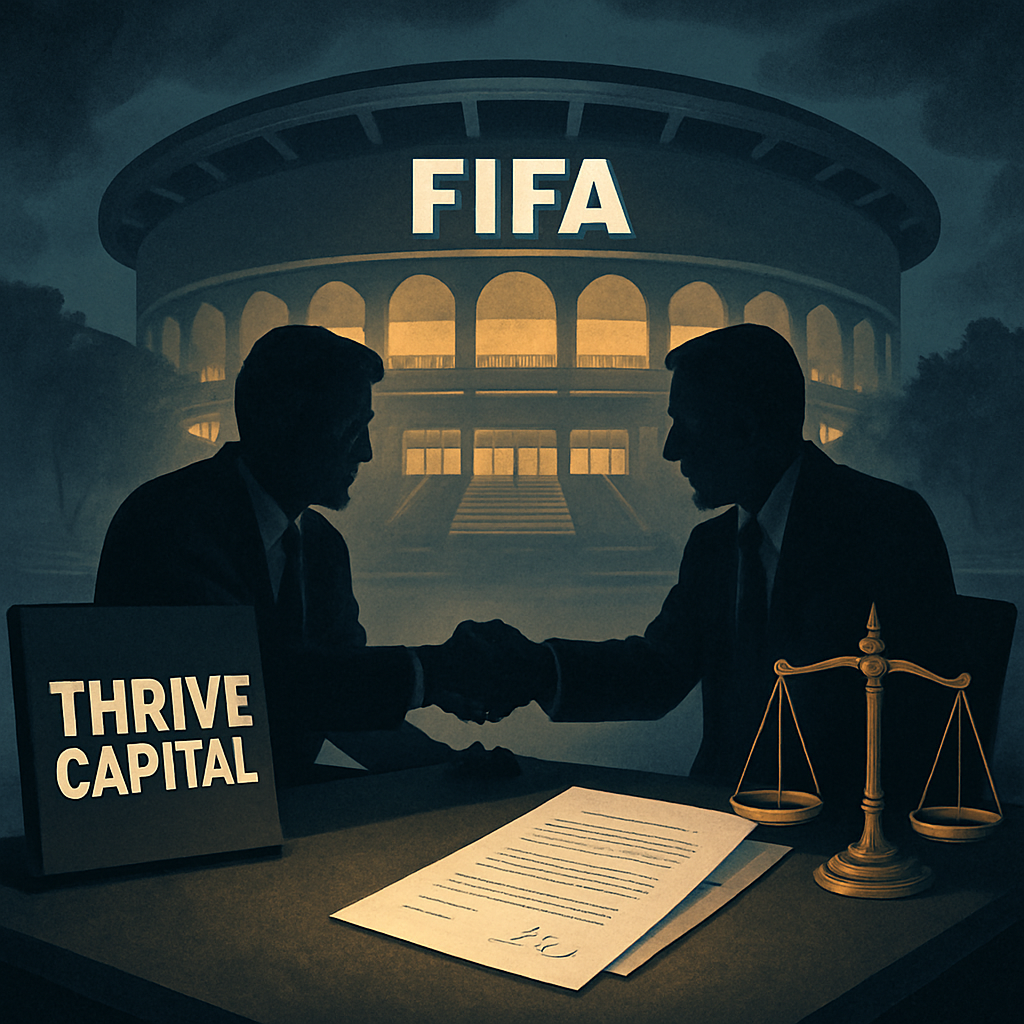
Thrive Capital’s founder, Josh Kushner, is responding publicly for the first time to the controversy surrounding FIFA’s proposed FIFA Forward Enterprise (FFE) project, insisting the venture’s goals were misunderstood and that the concept was fundamentally sound. Thrive had agreed to help bankroll what would have been a $4.2 billion private investment in secondary shares representing 20% of FFE’s equity, had it gone forward.
What Was FFE and Why It Sparked Outrage
The FIFA Forward Enterprise was a plan under which all 211 FIFA member associations would jointly own an entity managing the commercial side of major events like the World Cup—TV rights, ticket sales, and other revenue-generating operations. Under the proposal, associations could have sold portions of their equity to private investors. Thrive, approached via JPMorgan, stepped into the deal as a lead investor in those secondary share transactions. The agreed-upon valuation was $20 billion.
The idea triggered fierce backlash—particularly from European member associations and those in North America—who saw it as a potential loss of control and feared too much influence from external investors. The uproar led FIFA to abandon the entire plan before a vote could ever take place. Since then, legal battles have erupted: UEFA is suing to force disclosure of documents related to the valuation, term sheets, and identities of Thrive’s fellow potential investors.
Kushner’s Statement and Legal Strategy
In a statement issued this week, Kushner affirmed that the original intention of FFE—to distribute more capital more fairly among all FIFA members and bolster the game worldwide—was laudable. But he conceded Thrive didn’t anticipate the level of political resistance or how complicated the dynamics of global football governance would become. He expressed regret over the fallout, saying Thrive would not have entered the deal had the full implications been understood.
Amid mounting legal pressure, Thrive has retained Alex Spiro of Quinn Emanuel, a high-profile attorney known for taking on headline-grabbing cases and representing major clients including Elon Musk. The move signals Thrive wants a lawyer accustomed to intense scrutiny and global controversy, especially as UEFA presses for transparency and deeper scrutiny of the proposal.
What’s at Stake Now
With potential criminal charges against FIFA President Gianni Infantino looming and legal disputes threatening to unearth internal valuation documents, Thrive’s role and its defense strategy could prove pivotal. UEFA’s lawsuit could force Thrive into disclosing sensitive financial information and communications that the firm might prefer to keep private.
Thrive’s defense rests on its belief that the concept had merit: redistribute wealth, improve underdeveloped regions, enhance the fan experience. Yet its involvement—with its commitment secured and its financial expectations laid out—places it squarely in the eye of both legal and public relations storms. The broader football world is watching closely.
Thrive’s response offers a case study in what happens when private capital enters the tangled web of sports governance. This is about more than money—it’s about who controls the game, who gets to benefit, and how transparent the process must be. As the lawsuits proceed, Thrive must navigate not just legal exposure but reputational risks—and what it reveals could reshape how future deals in global sports commerce are structured. Observers should watch whether Spiro can shield Thrive’s internal documents, how FIFA responds, and where power truly lies among football’s elite stakeholders.