In the rapidly evolving landscape of smart home technology, consumers are increasingly drawn to devices that promise convenience and automation. However, the recent shutdown of Neato Robotics’ cloud services serves as a stark reminder of the potential pitfalls associated with such reliance. This incident not only highlights the vulnerabilities inherent in cloud-dependent devices but also underscores the broader implications for the smart home industry.
The Rise and Fall of Neato Robotics
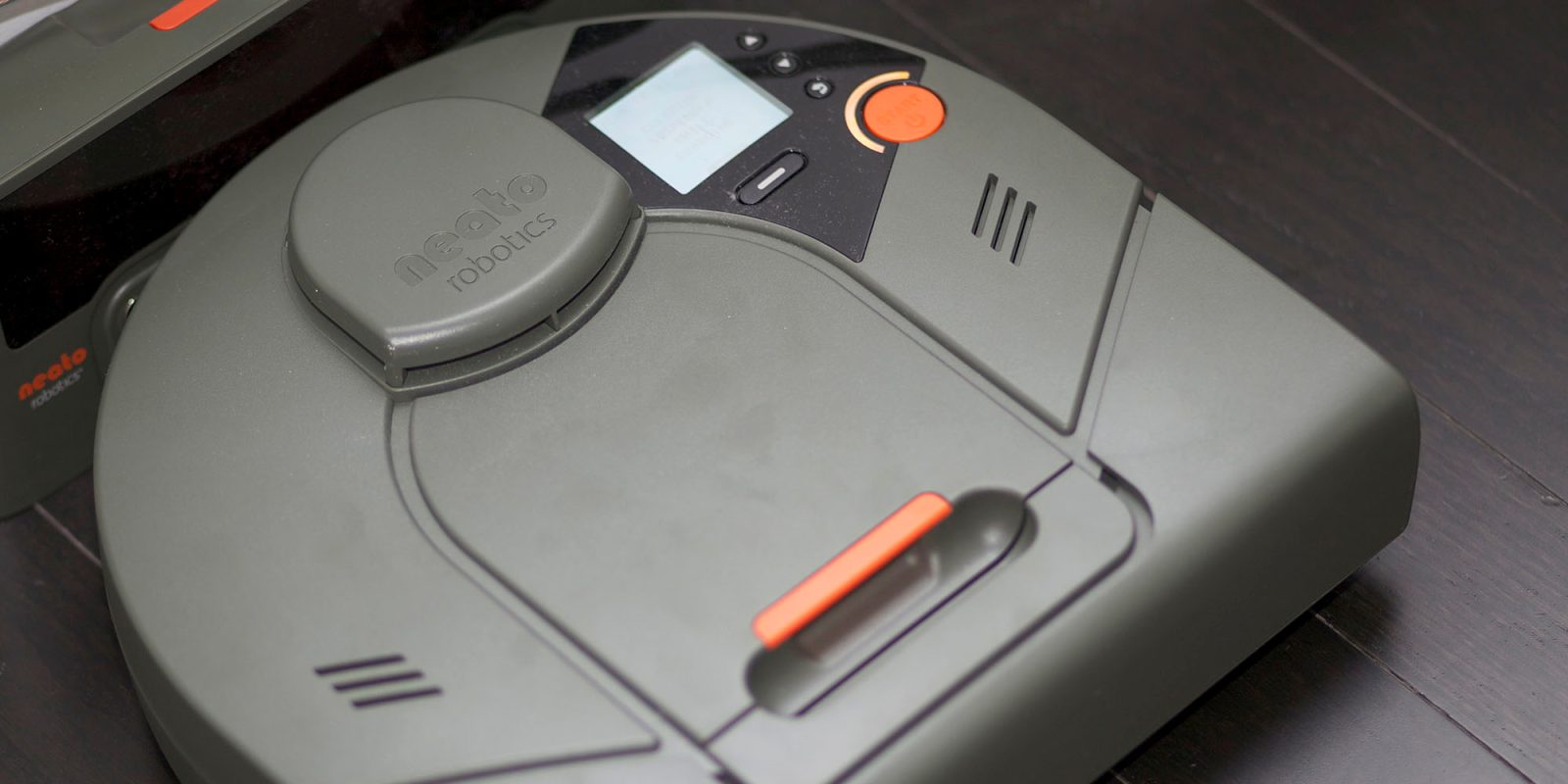
Neato Robotics emerged as a prominent player in the robotic vacuum market, offering products that combined advanced navigation systems with user-friendly features. Their devices were celebrated for their efficiency and integration capabilities, allowing users to control and monitor their vacuums remotely via cloud-based services. This connectivity enabled functionalities such as scheduling cleanings, receiving notifications, and accessing performance reports, all through a smartphone app.
However, in a surprising turn of events, Neato announced the discontinuation of its cloud services, rendering many of these features inoperable. For users who had integrated Neato’s products into their daily routines, this decision was more than an inconvenience—it was a disruption. The vacuums, once symbols of modern convenience, were reduced to basic functionality, lacking the smart features that justified their premium price tags.
The Broader Implications for Smart Home Devices
Neato’s cloud shutdown is not an isolated incident. It reflects a growing trend where companies, due to financial constraints, strategic shifts, or other reasons, discontinue support for cloud-dependent devices. This pattern raises critical questions about the longevity and reliability of smart home products that rely heavily on external servers and services.
Historical Precedents and Industry Responses
The Neato case is reminiscent of other instances where companies have ceased support for connected devices:
– Sonos’ Recycle Mode Controversy: In 2020, Sonos faced backlash for its Recycle Mode, which required users to permanently disable older devices to receive discounts on new products. This approach was criticized for promoting electronic waste and disregarding consumer rights. Following public outcry, Sonos revised its policy to allow users to retain functionality in their older devices.
– Apple’s HomePod Software Update Issue: In 2019, Apple released a software update for its HomePod that inadvertently bricked some devices. The company promptly addressed the issue by releasing a revised update, but the incident highlighted the risks associated with firmware updates in connected devices.
– Amazon’s Cloud Cam Shutdown: Amazon’s decision to discontinue its Cloud Cam in 2022 left users without access to their security cameras. The company offered replacements, but the move underscored the transient nature of cloud-dependent devices.
The Inherent Risks of Cloud Dependency
These examples illustrate a fundamental risk: when smart devices rely on cloud services, their functionality is at the mercy of the provider’s decisions. If a company decides to shut down a service, users can be left with devices that are significantly diminished or entirely non-functional. This dependency raises concerns about the true ownership of such products. Consumers may purchase hardware, but the software and services that make these devices smart are often controlled by the manufacturer.
Consumer Considerations and Best Practices
For consumers, the Neato incident serves as a cautionary tale. When investing in smart home devices, it’s crucial to consider the following:
1. Local Functionality: Opt for devices that offer essential features without requiring cloud connectivity. This ensures that basic operations remain unaffected by potential service disruptions.
2. Company Reputation and Stability: Research the manufacturer’s track record regarding product support and service longevity. Companies with a history of discontinuing support may pose a higher risk.
3. Open Standards and Interoperability: Devices that adhere to open standards are more likely to be compatible with a range of platforms and less dependent on proprietary services.
4. Regular Backups and Updates: Ensure that any data associated with smart devices is regularly backed up and that firmware is kept up to date to mitigate potential vulnerabilities.
The Path Forward for the Smart Home Industry
For the smart home industry, the Neato cloud shutdown is a call to action. Manufacturers must recognize the trust consumers place in their products and the expectations for long-term support. To foster this trust, companies should:
– Prioritize Transparency: Clearly communicate the lifespan of cloud services and any potential changes to support policies.
– Offer Offline Capabilities: Design devices that can operate independently of cloud services, ensuring that core functionalities remain intact even if online services are discontinued.
– Provide Transition Plans: In cases where service discontinuation is unavoidable, offer clear transition plans, including potential refunds, trade-in programs, or alternative solutions.
Conclusion
The Neato Robotics cloud shutdown is a poignant example of the vulnerabilities associated with cloud-dependent smart home devices. As the industry continues to innovate, both manufacturers and consumers must remain vigilant, balancing the allure of advanced features with the need for reliability and longevity. By learning from such incidents, the smart home ecosystem can evolve to offer products that are not only intelligent but also resilient and trustworthy.