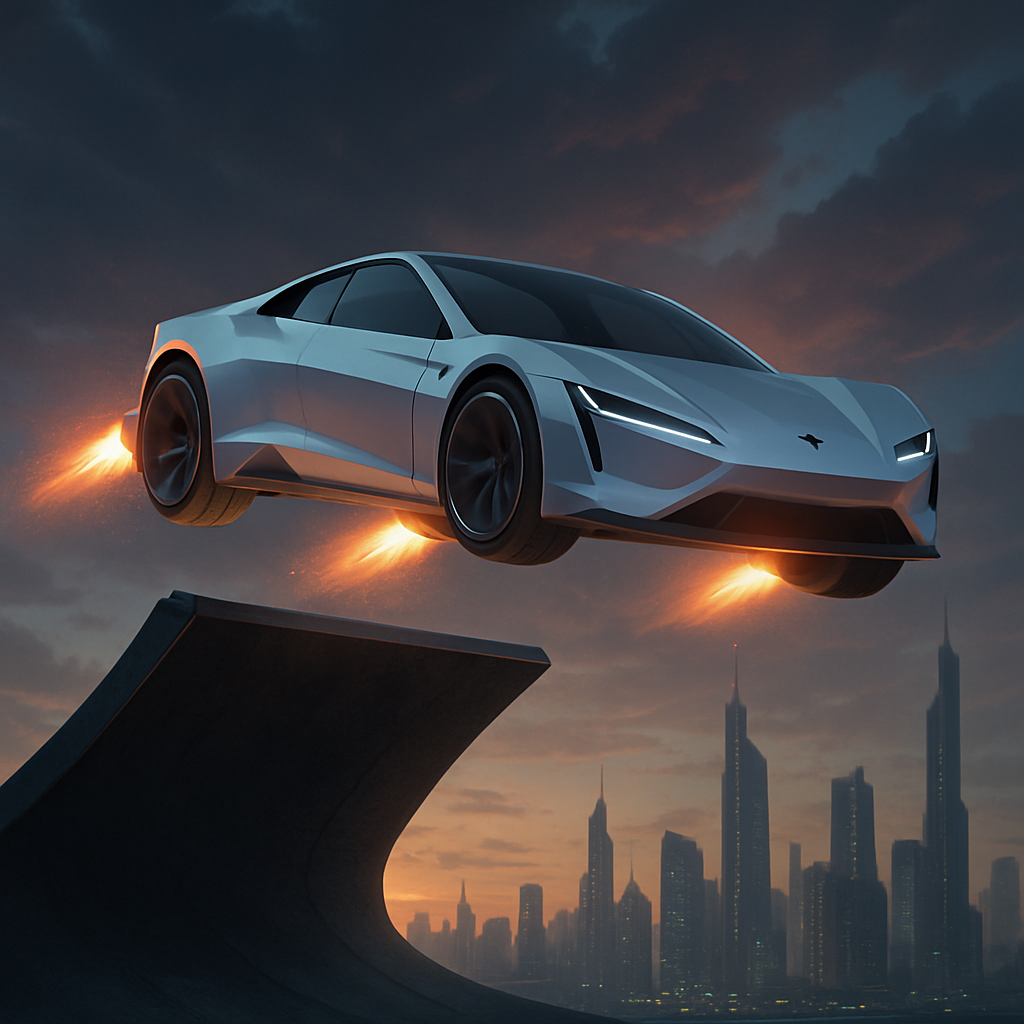
At a high-octane reveal outside Waco, Texas, Tesla showcased its reimagined second-generation Roadster, now equipped with SpaceX thrusters and fan systems that let it perform aerial tricks and acrobatics before landing with precision. With blistering 0-to-60 mph sprints in just one second and a top speed over 230 mph, this is not your average supercar.
Three Trim Levels, Three Extremes
Production begins in 2028, with three trims that push the boundaries of speed, flight, and spectacle. The base “Performance” version is road-ready, seats two, and features active aerodynamics plus a novel multi-mode suction system for handling both pavement and track. The mid-tier “Thrust” trim upps the ante with race-grade rear-mounted cold-gas thrusters, enabling that jaw-dropping sub-one-second acceleration still in a two-seater layout. At the top, the “Rocket” model is a single-seat beast with ten cold-gas thrusters everywhere—designed to deliver on the aerial promise.
Power, Pressure Vessels, and Big Promises
Each trim shares a claimed ~300-mile range and speed topping 230 mph. The Roadster uses ten thrusters fed by 600 liters of compressed air, stored in carbon fiber over-wrapped pressure vessels that occupy every usable void in the chassis—an echo of tech used by SpaceX. These thrusters let the vehicle lift itself over Tesla models and fly over ramps, all demonstrated in the dramatic unveiling. Tesla isn’t disclosing price tags for all versions yet—ordering a Performance model now costs a $50,000 reservation fee; Thrust demands $250,000. The Rocket remains invitation-only.
Design has evolved sharply. The car now sports angular lines inspired by stealth aircraft like the SR-71 and F-35, and recalls flamboyant supercars—and even James Bond’s Lotus Esprit. It’s a stark departure from the one unveiled in 2017 alongside the Semi, which was meant to arrive within a few years. But after delays in 2020, 2021, 2023, 2024—and postponed reveals in late 2025 and early 2026—the moment has finally come. A demo involving running up an inverted ramp, spinning, and flying over other Tesla vehicles showed how seriously the company is leaning into spectacle.
Elon Musk framed the Roadster as Tesla’s halo model—less about mass sales, more about showing what engineering can do. He emphasized that safety was never the primary goal, comparing the Roadster more to a Ferrari in spirit. Still, Tesla aims to ensure buyers don’t die inside—but they’ll need to accept a wild ride. Musk even floated the idea of jumping Snake River Canyon in this car, revisiting the legacy of Evel Knievel.
Reserving the Roadster offers early access, though the demands are steep. Performance reservations go for $50,000, Thrust for $250,000; Rocket is exclusive. Full pricing and delivery specifics remain hazy, though all trims will reportedly break 230 mph and offer around 300 miles of range.
This isn’t just a new Tesla. It’s a statement—merging rockets, audacious design, and the kind of daring that demands attention. It revives a promise made nearly a decade ago with acceleration, shapes, and features more fantasy than automotive norm. Whether it’s practical—or just show—it won’t be ignored.
Analytically, the Roadster underscores how Tesla continues to use halo products to set its image and push engineering limits, even when mass market appeal is secondary. The thumbing aside of safety as a top priority signals a willingness to court risk for wow factor—something that sings to enthusiasts, but may alarm regulators and safety-focused consumers. What to watch: how the Rocket trim handles real safety approval, infrastructure for recharging compressed air tanks, and whether this spectacle converts into real momentum for Tesla’s brand during a time when EVs are increasingly evaluated by practicality and sustainability—not just flash.