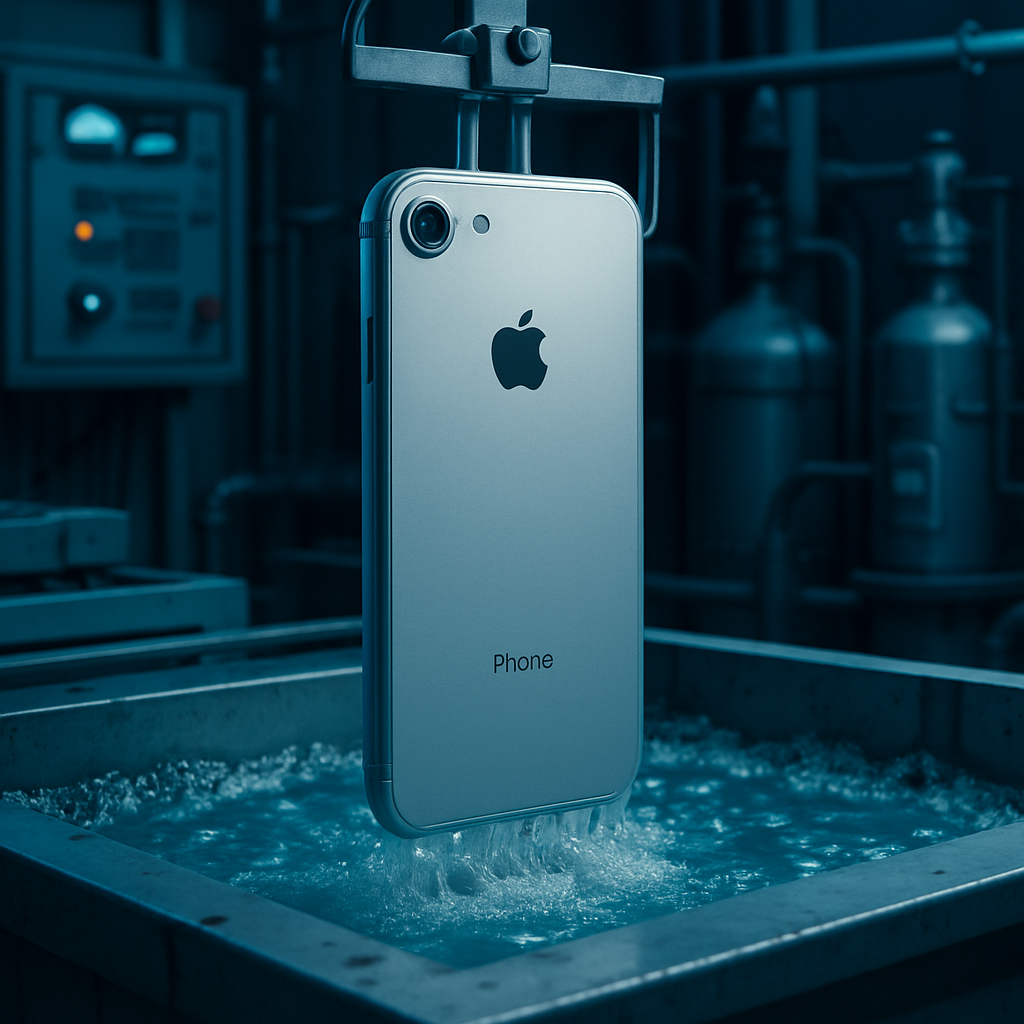
A legal dispute between a consulting firm and Apple over the anodization process used on iPhone aluminum bodies has reignited. In 2020, Envirodigm sued Apple alleging the company misappropriated a trade secret disclosed under a non-disclosure agreement (NDA). Although Apple won the case via summary judgment in 2024, an appeal has revived parts of the lawsuit. The case centers on how Apple handles trade secret disclosure and whether its contractual obligations were violated.
What Envirodigm alleges
The lawsuit began with Envirodigm claiming that in August 2013 it shared a proprietary anodization formula with Apple under an NDA. This formula involved a specific two-to-one ratio of organic to inorganic acid for treating aluminum surfaces. Envirodigm asserts Apple began experimenting with that exact ratio within two months of their meeting and ultimately implemented it in iPhones starting with the 2015 models.
Why Apple originally won
The lower court granted summary judgment to Apple on the basis that Envirodigm hadn’t adequately described or disclosed the alleged trade secret in its claim. Under California law, courts have long held that trade secrets must be clearly delineated in a disclosure, and vague or undisclosed formulas cannot underpin misappropriation claims. Because Envirodigm’s complaint did not sufficiently specify the formula, the misappropriation claim failed.
What’s being appealed
Envirodigm is now asking the appellate court to reverse part of the ruling, arguing that even though its trade secret claim failed, the breach of contract claim under the NDA should still proceed independently. According to Envirodigm, Apple conceded it employed the same 2:1 acid ratio disclosed during their 2013 meeting and used that process continuously from 2015 to present.
Apple counters that misappropriation of trade secrets and breach of contract are inseparable in this situation. The company has urged the appellate panel to uphold summary judgment in its favor on both claims.
Implications if upheld vs. reversed
If the appeal panel agrees with Envirodigm that a breach of contract claim can survive even in the absence of a valid trade secret claim, it could broaden how non-disclosure agreements are enforced, especially in high-stakes tech contracts. Courts may be asked to separate contractual obligations from trade secret law more clearly.
Conversely, if the summary judgment is affirmed in favor of Apple on both points, it would reaffirm strict standards for what counts as a properly disclosed trade secret. It would likely discourage overly broad or vague secrecy claims in tech industry litigation.
Analysis: This case underscores how crucial well-drafted disclosures and NDAs are in technology development, especially where materials processes like anodization can define product durability and finish. What Envirodigm is going for isn’t just monetary relief—it’s clarity on whether breach of contract alone can be a viable path when trade secret misappropriation is legally unavailable due to disclosure failures. Moving forward, tech firms may need to tighten internal documentation and drafting practices to avoid losing claims on technicalities. The appeal’s outcome could reshape how courts draw the line between trade secret claims and contractual obligations in the tech world.