Tesla’s Robotaxi Crashes: Unveiling the Challenges of Remote Operation
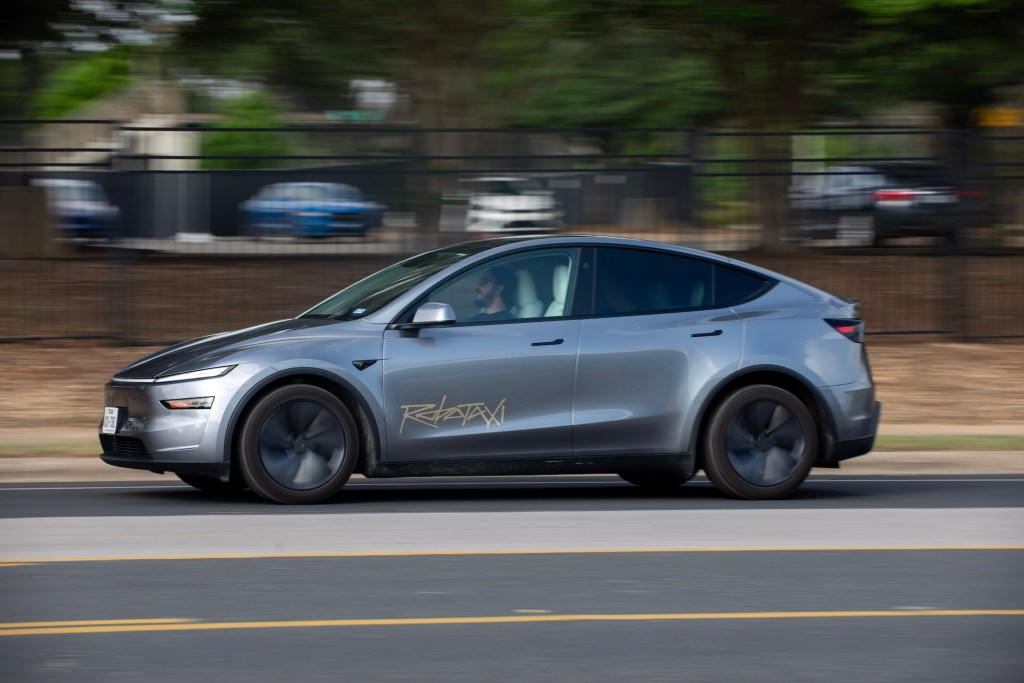
Tesla’s autonomous vehicle program has recently come under scrutiny following the disclosure of two low-speed crashes involving its Robotaxi fleet in Austin, Texas. These incidents, which occurred in July 2025 and January 2026, involved teleoperators remotely controlling the vehicles, with safety monitors present but no passengers onboard.
Details of the Incidents
In the first incident, Tesla’s Automated Driving System (ADS) encountered difficulties while stationary on a street. The safety monitor sought assistance from Tesla’s remote support team. A teleoperator assumed control, gradually increased the vehicle’s speed, and attempted a left turn. Unfortunately, the vehicle mounted the curb and collided with a metal fence.
The second incident unfolded similarly. The ADS was navigating a straight path when the safety monitor requested remote support. The teleoperator took over, and the vehicle proceeded straight, making contact with a temporary construction barricade at approximately 9 mph, resulting in minor damage to the front-left fender and tire.
Tesla’s Remote Operation Protocol
Tesla has implemented a protocol allowing remote operators to control vehicles at speeds under 10 mph. This capability is intended to swiftly reposition vehicles in compromising situations, reducing the need for on-site intervention by first responders or Tesla field representatives.
Transparency and Regulatory Compliance
Historically, Tesla has redacted crash descriptions in reports to the National Highway Traffic Safety Administration (NHTSA), citing confidentiality. However, the company has recently provided unredacted narratives for all 17 crashes recorded since the inception of its Robotaxi network. This move aligns Tesla with industry standards and enhances transparency.
Comparative Analysis with Industry Peers
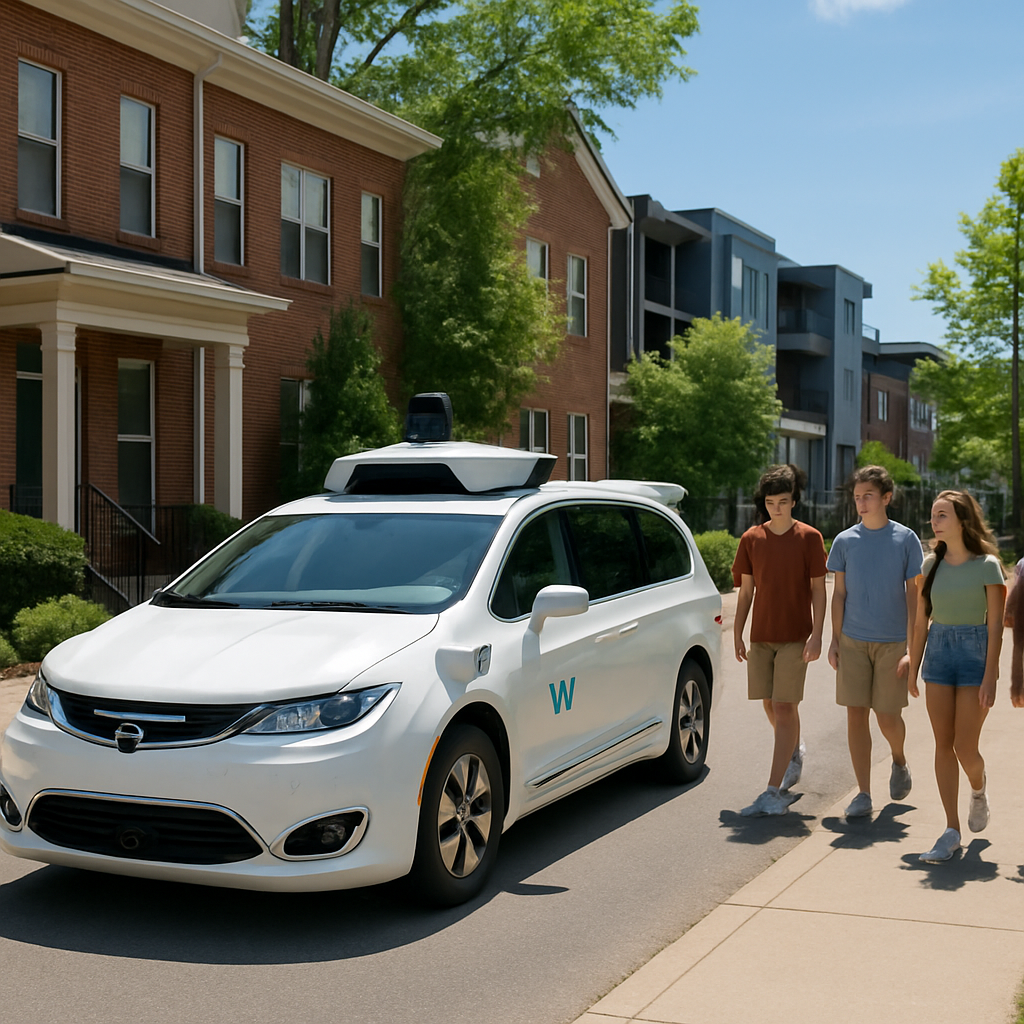
While companies like Waymo and Zoox have reported a higher number of incidents, Tesla’s Robotaxi operations are currently on a smaller scale. The detailed disclosures may shed light on Tesla’s cautious approach to scaling its autonomous ride-hailing services. CEO Elon Musk has emphasized the paramount importance of safety in expanding the network.
Broader Implications for Autonomous Vehicles
These incidents underscore the complexities of integrating remote human intervention with autonomous systems. They highlight the necessity for robust safety protocols and continuous refinement of both automated and remote control systems to ensure passenger and public safety.
Conclusion
Tesla’s recent disclosures provide valuable insights into the challenges of autonomous vehicle operations and the critical role of transparency and regulatory compliance. As the industry progresses, such openness is essential for building public trust and advancing the safe deployment of autonomous technologies.