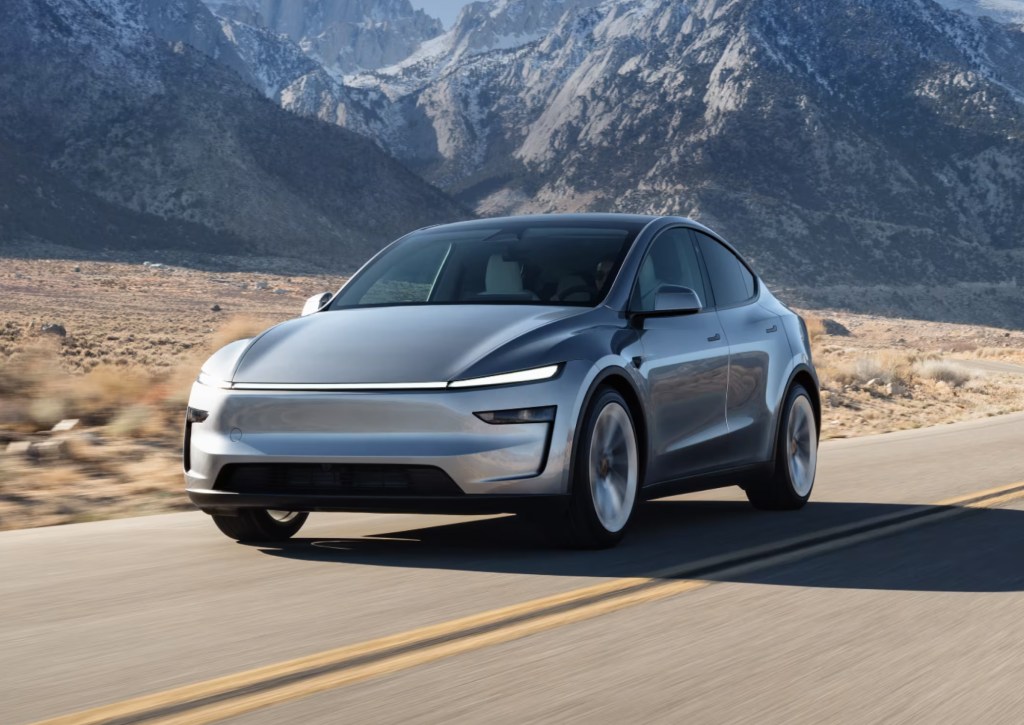
Tesla Model Y Sets New Standard in Driver Assistance Safety
The National Highway Traffic Safety Administration (NHTSA) has announced that the 2026 Tesla Model Y is the first vehicle to meet its newly established benchmarks for advanced driver assistance systems (ADAS). This achievement underscores Tesla’s commitment to enhancing vehicle safety through cutting-edge technology.
Introduction to NHTSA’s Enhanced Safety Criteria
In response to the rapid evolution of automotive technologies, NHTSA has updated its New Car Assessment Program (NCAP) to include four critical pass-fail tests focusing on ADAS features:
1. Automatic Emergency Braking for Pedestrians: Evaluates a vehicle’s capability to detect and prevent collisions with pedestrians.
2. Blind-Spot Warning: Assesses the system’s effectiveness in alerting drivers to vehicles in their blind spots.
3. Blind-Spot Intervention: Tests the vehicle’s ability to actively prevent lane changes when another vehicle is detected in the blind spot.
4. Lane Assist: Examines the system’s proficiency in maintaining the vehicle within its lane.
These enhancements aim to provide consumers with clearer insights into vehicle safety features and their performance, addressing the often ambiguous branding of such technologies by automakers.
Tesla Model Y’s Compliance with New Standards
The 2026 Tesla Model Y, produced on or after November 12, 2025, has successfully passed all four of NHTSA’s new ADAS tests. This accomplishment highlights Tesla’s dedication to integrating advanced safety features that not only meet but exceed regulatory expectations.
Understanding the New Car Assessment Program (NCAP)
NCAP is NHTSA’s initiative to evaluate vehicle safety through a comprehensive 5-Star rating system. Traditionally, NCAP has focused on assessing vehicles’ performance in frontal and side crashes, rollover resistance, and crash avoidance capabilities. The inclusion of ADAS criteria in 2024 marked a significant expansion of the program, reflecting the growing importance of driver assistance technologies in overall vehicle safety.
The Evolution of Tesla’s Driver Assistance Systems
Tesla’s journey in developing and refining its driver assistance systems has been marked by continuous innovation and, at times, regulatory scrutiny. The company’s Autopilot and Full Self-Driving (FSD) features have undergone numerous updates to enhance safety and functionality.
In 2023, Tesla issued a recall affecting 362,758 vehicles equipped with FSD Beta software due to concerns that the system could allow vehicles to act unsafely around intersections. The company addressed these issues through over-the-air software updates, demonstrating its ability to rapidly respond to safety concerns.
Further, in 2025, Tesla released a detailed safety report following calls for greater transparency from industry leaders. The report indicated that, in North America, drivers using Tesla’s FSD software experienced a major collision approximately every 5 million miles, a rate significantly lower than the national average.
Industry Implications and Future Outlook
Tesla’s achievement with the Model Y sets a precedent for the automotive industry, emphasizing the importance of rigorous testing and validation of ADAS features. As NHTSA continues to refine its safety benchmarks, automakers are encouraged to prioritize the development and implementation of advanced safety technologies.
The integration of comprehensive ADAS evaluations into NCAP signifies a shift towards a more holistic approach to vehicle safety, where both passive and active systems are considered essential. This evolution reflects the industry’s commitment to reducing accidents and enhancing driver and pedestrian safety through technological advancements.
Conclusion
The 2026 Tesla Model Y’s compliance with NHTSA’s new ADAS benchmarks marks a significant milestone in automotive safety. It not only showcases Tesla’s leadership in integrating advanced driver assistance technologies but also sets a new standard for the industry. As vehicles become increasingly equipped with sophisticated safety features, such benchmarks will play a crucial role in guiding consumer choices and fostering a safer driving environment.