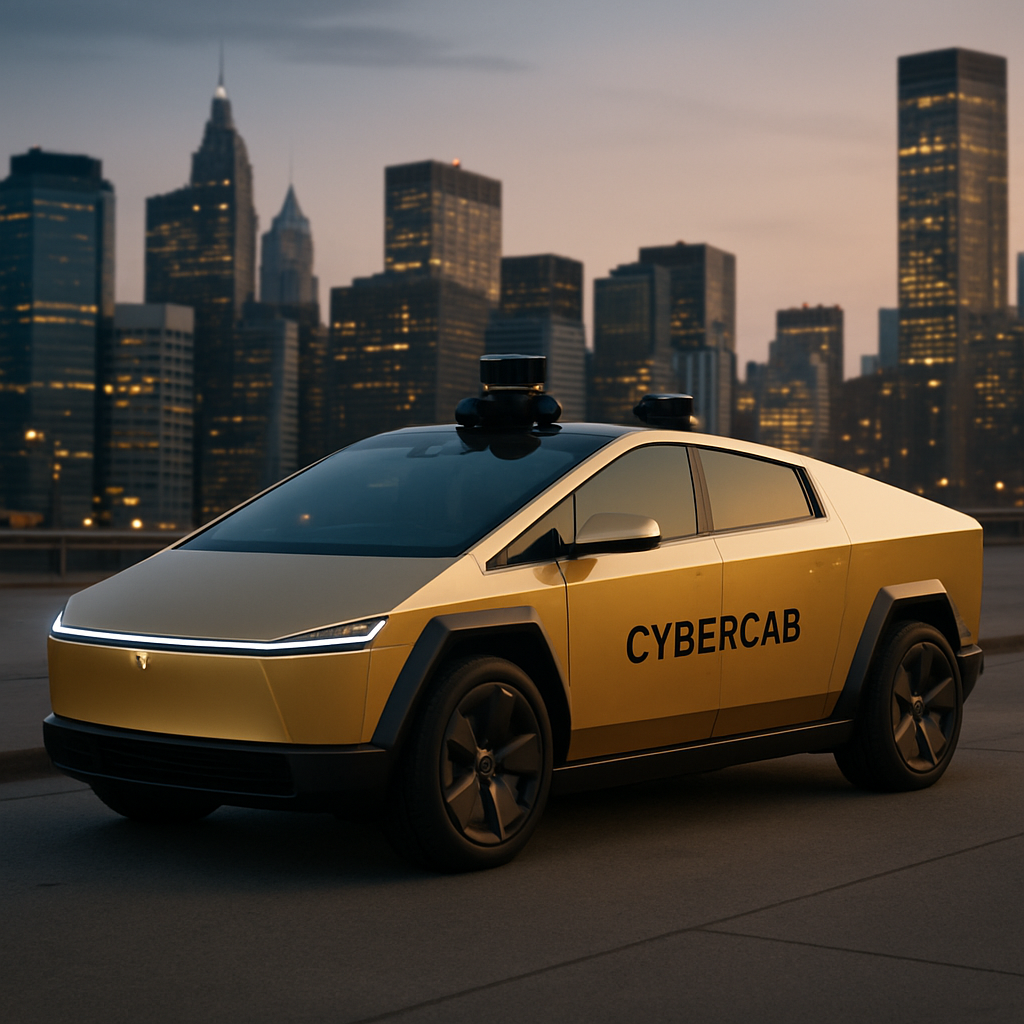
Tesla is accelerating its roll out of the Cybercab robotaxi service, pushing past Austin to expand coverage—and stakes—in the autonomous ride-hail arena. The company says it will begin service in Dallas next month and plans to be operational in additional cities by the end of 2026. It also intends to start selling Cybercabs to fleet operators within the same timeframe.
Ambitious Expansion and Competitive Pressure
During its Q3 earnings call, Tesla’s CFO laid out the company’s bold vision: shifting from transporting people locally to dominating all forms of terrestrial transportation. Key to that ambition is scaling the Cybercab robotaxi fleet outside Tesla’s current strongholds—Austin, Houston, Miami, Orlando, and Tampa. Dallas is slated to receive service first under the new rollout. Elon Musk has long positioned Tesla’s bot-taxi to undercut rivals like Waymo, citing lower build complexity and cost as advantages.
Waymo currently leads the U.S. robotaxi market with over 4,000 vehicles deployed in more than a dozen cities. Tesla argues its streamlined manufacturing and cheaper unit economics will allow it to compete aggressively on price. But until it achieves scale beyond its early markets, that claim remains untested.
Metrics, Regulation, and Technical Hurdles
Besides expanding its geographic footprint, Tesla is shifting how it reports robotaxi performance. Earlier in the year, documents displayed “Cumulative Paid Robotaxi Miles”—a metric highlighting revenue-generating miles. As of its latest shareholder letter, the company is using “Cumulative Unsupervised Robotaxi Miles,” which includes unreimbursed operation whether passengers are onboard or not. Meanwhile, Tesla says AI-powered features are enabling longer hours of service—moving from daylight and early evening into late evening slots—and intends to handle more difficult driving scenarios by year-end.
Regulatory approval remains a pivotal challenge. When Tesla debuted the Cybercab in Austin in September, the National Highway Traffic Safety Administration opened an investigation into whether the vehicle meets federal standards. Issues under scrutiny include the lack of a brake pedal and side mirrors—features currently required but potentially slated for removal in proposed rule changes. Tesla affirms compliance with safety rules but acknowledges that the regulatory landscape is still in flux.
Tesla’s VP of autonomy emphasized that setbacks aren’t only legal. He noted the company’s robotaxi service is still limited in certain conditions—no highway driving yet, for example—but has been seen operating in heavy rain. Broadening operational scope hinges upon software maturity. Safety remains foremost; according to Tesla’s leadership, even minimal risk from the robotaxis is unacceptable.
Tesla has also been vague about financial performance. The CFO indicated that revenue from its ride-hail operations won’t show up meaningfully in overall earnings until Q2 2027, with more visible impact expected in Q3 or Q4.
Analysis: Tesla’s upcoming Cybercab expansion could mark a turning point in the robotaxi race. If it successfully deploys beyond Texas and scales up, it might finally challenge Waymo’s lead. Technical progress is real but cautious—the company is pacing its rollout around both regulatory approvals and software safety thresholds. The next few quarters will reveal whether Tesla’s cost-advantages and manufacturing promises translate into actual market share, especially as robotaxis move from concept to mass deployment in real urban settings.