Tesla’s Bold $25 Billion Investment: Paving the Way for an AI and Robotics Future
In a decisive move to redefine its trajectory, Tesla has announced a substantial increase in its capital expenditures, setting a new benchmark of $25 billion for 2026. This strategic allocation underscores the company’s commitment to evolving beyond its electric vehicle (EV) roots, aiming to establish a formidable presence in the realms of artificial intelligence (AI) and robotics.
A Quantum Leap in Investment
Historically, Tesla’s capital expenditures have seen a steady climb: $8.9 billion in 2023, $11.3 billion in 2024, and $8.5 billion in 2025. The projected $25 billion for 2026 represents a near tripling of its previous annual budgets. This escalation is not merely a numerical increase but a reflection of Tesla’s ambitious vision to stay ahead in a rapidly evolving technological landscape.
Strategic Allocation of Funds
The augmented capital is earmarked for several pivotal initiatives:
1. AI Infrastructure Enhancement: A significant portion will be dedicated to bolstering Tesla’s AI capabilities. This includes investments in advanced computing infrastructure and the establishment of state-of-the-art data centers, essential for processing vast amounts of data and refining machine learning algorithms.
2. Manufacturing and R&D Expansion: To support the development and production of new technologies, Tesla plans to expand its manufacturing facilities and research and development centers. This expansion is crucial for scaling up production and accelerating innovation cycles.
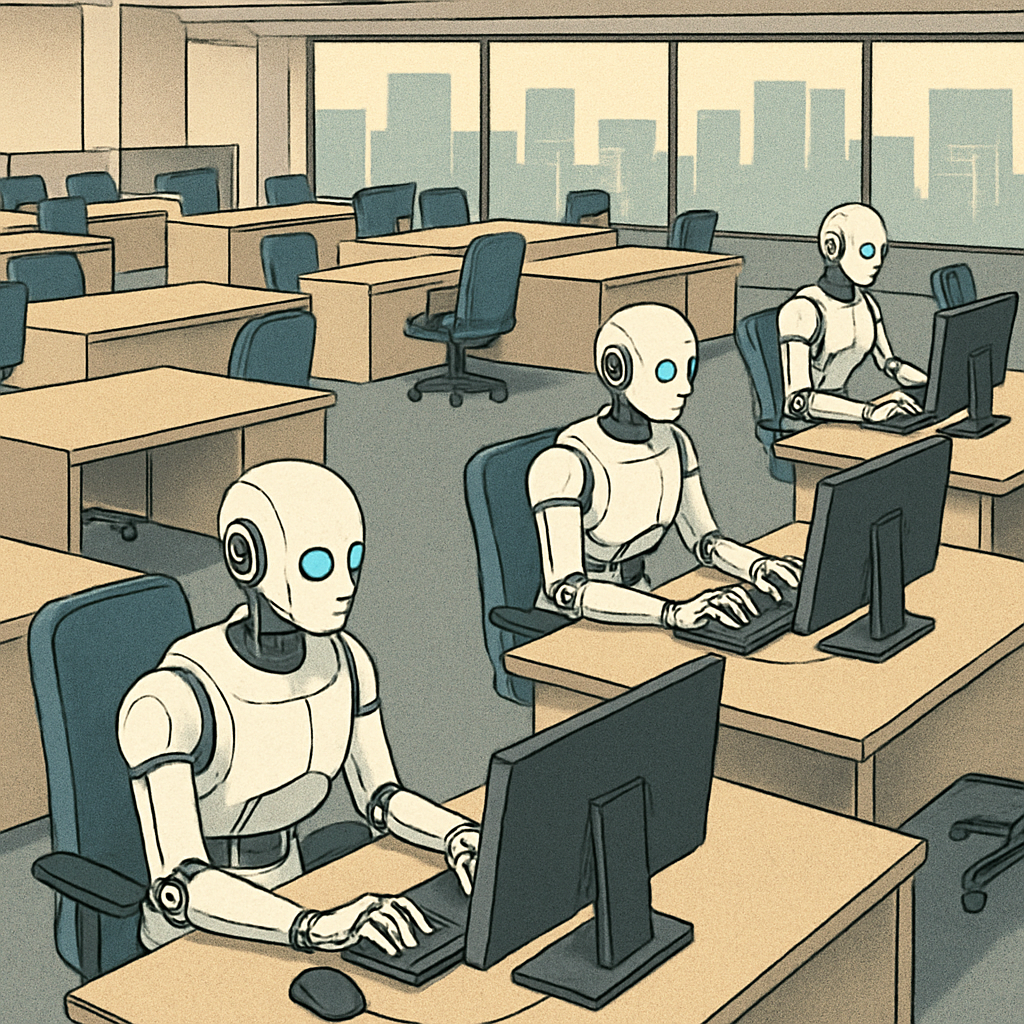
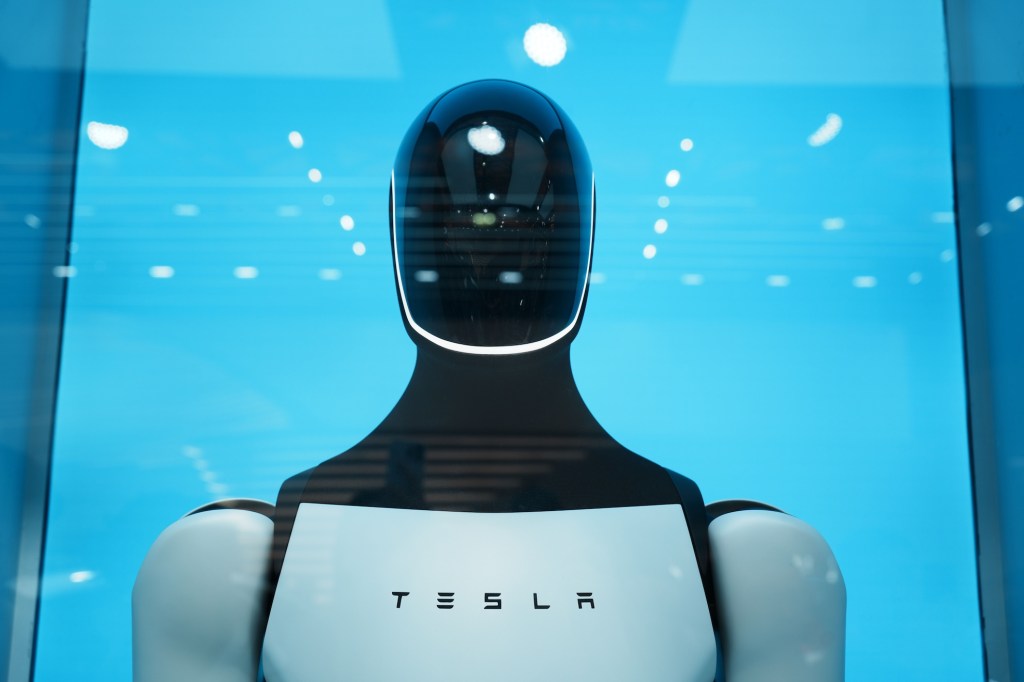
3. Robotics Development: A notable focus is on the Optimus humanoid robot. Tesla has initiated the construction of a dedicated manufacturing facility in Austin, Texas, to produce Optimus at scale. This move signifies Tesla’s commitment to integrating robotics into its product lineup and operational processes.
4. Supply Chain Fortification: Recognizing the importance of a resilient supply chain, Tesla intends to invest in securing and strengthening its supply lines. This encompasses batteries, energy components, and AI silicon, ensuring a steady flow of essential materials and components.
Financial Implications and Market Response
While such a substantial investment signals confidence in future growth, it also presents immediate financial challenges. Tesla’s Chief Financial Officer, Vaibhav Taneja, indicated that the company anticipates negative cash flow for the remainder of the year due to these expenditures. This projection led to a brief 4% uptick in Tesla’s share price, which subsequently declined during the earnings call as investors digested the implications of the increased spending.
Despite the anticipated short-term financial strain, Tesla’s robust financial position provides a cushion. As of the end of the first quarter, the company reported $44.7 billion in cash, cash equivalents, and short-term investments, offering a solid foundation to support its ambitious plans.
Contextualizing Tesla’s Investment
Tesla’s decision to escalate its capital expenditures aligns with broader industry trends. Major tech conglomerates are similarly amplifying their investments in AI and related technologies. For instance:
– Amazon has projected capital expenditures of $200 billion in 2026, focusing on AI, chip development, robotics, and low Earth orbit satellites.
– Google plans to increase its capital expenditures to between $175 billion and $185 billion in 2026, up from $91.4 billion the previous year, emphasizing advancements in AI and cloud infrastructure.
This collective surge in investment underscores a competitive race among tech giants to dominate the AI and robotics sectors, with Tesla positioning itself as a formidable contender.
The Road Ahead: AI and Robotics Integration
Tesla’s intensified focus on AI and robotics is not a sudden pivot but a strategic evolution. The company has been laying the groundwork for this transition through various initiatives:
– Autonomous Driving Technology: Tesla’s Full Self-Driving (FSD) system has been a focal point, with continuous updates and improvements aimed at achieving fully autonomous driving capabilities.
– Energy Solutions: Beyond vehicles, Tesla’s energy storage products, such as the Megapack and Powerwall, have seen significant growth, contributing nearly a quarter of the company’s gross profit in recent years.
– Robotics Ventures: The development of the Optimus humanoid robot represents Tesla’s foray into robotics, with potential applications ranging from manufacturing assistance to consumer-facing roles.
Investor Sentiment and Market Dynamics
The announcement of increased capital expenditures has elicited mixed reactions from investors. While some view it as a bold step towards future growth, others express concern over the immediate financial implications. The market’s response reflects this dichotomy, with initial enthusiasm tempered by apprehension about short-term profitability.
However, Tesla’s track record of innovation and market disruption provides a counterbalance to these concerns. The company’s ability to execute on its ambitious plans will be a critical factor in determining investor confidence moving forward.
Conclusion
Tesla’s commitment to investing $25 billion in 2026 marks a significant milestone in its journey from an electric vehicle manufacturer to a diversified technology leader in AI and robotics. This strategic allocation of resources underscores the company’s vision for the future and its determination to remain at the forefront of technological innovation. As Tesla embarks on this transformative path, the industry and investors alike will be keenly observing its progress and the broader implications for the tech landscape.