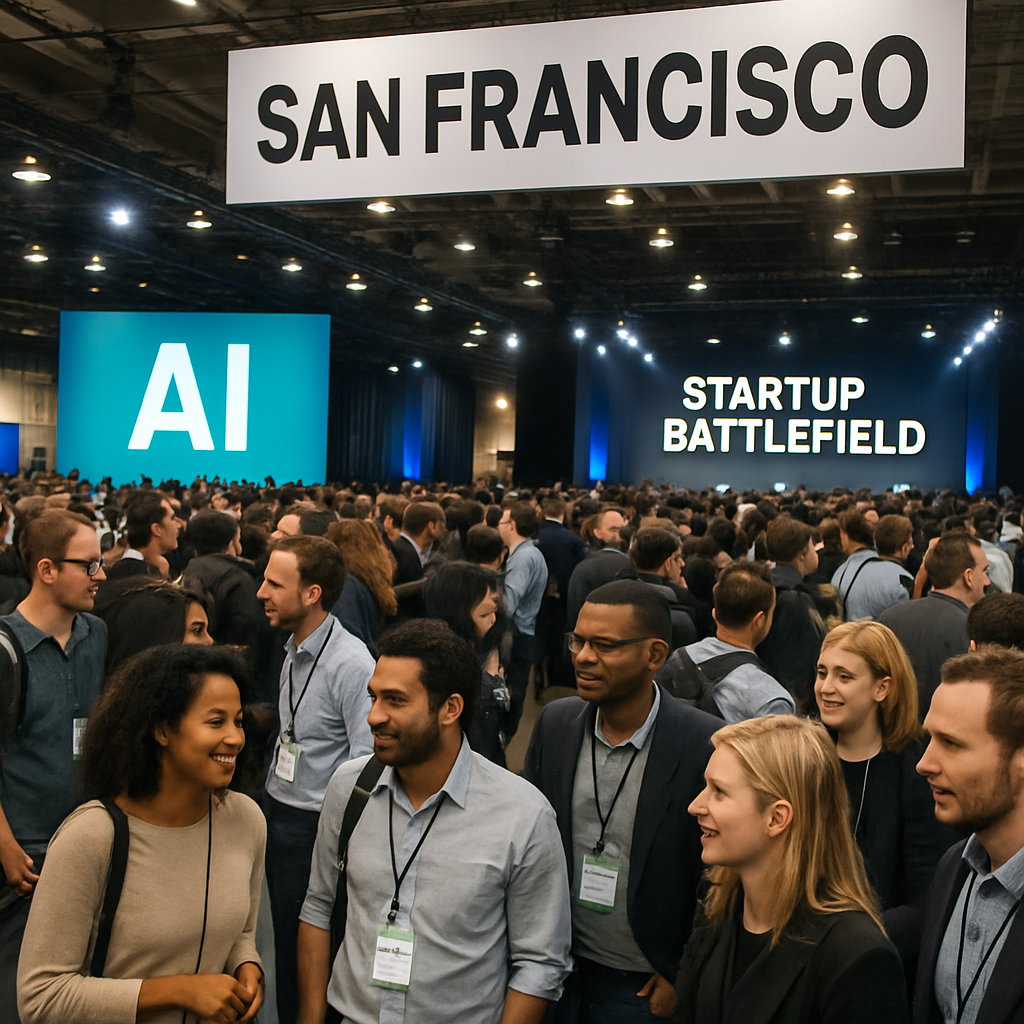
TechCrunch Disrupt 2026 lands in San Francisco from October 13–15 at Moscone West, centering its programming around one central question: How do you build a lasting company in the age of AI? Founders, investors, operators, and engineers will shape the agenda across over 200 sessions aimed at answering what you can put into practice starting Monday.
Why Disrupt Comes Alive
Disrupt has long served as a nexus for early-stage founders, VCs, and tech leaders—and this year is no different. Founders who attend Battlefield semifinalist pitches, Expo Hall interactions, and Side Events have historically secured 3× oversubscription from investors and booked dozens of investor meetings. For many, the biggest value isn’t only in the major stage moments, but in serendipitous connections in the hallways and expo.
New this year is a sharper focus on how AI is not just the future, but the ecosystem we’re working in now. Rather than predicting where AI might go, the emphasis is on practical lessons for deploying models, infrastructure, and AI-inflected products.
Tracks Tailored to Each Stage of Startup Growth
Disrupt 2026 organizes its content into several stages depending on a startup’s lifecycle:
- Pre-seed / Idea Stage: Best to focus on the Builders Stage, Startup Battlefield semifinalist pitches, Expo Hall networking, and industry roundtables. Great for thesis testing and early introductions.
- Early Revenue / Raising Capital: Prioritize investor matchmaking tools, Founder Pass perks, Deal Flow Café for one-on-one conversations with VCs, and deep dives from Builders Stage.
- Scaling / Partnerships & Hiring: Tap into Side Events for strategic connections and use networking tools. Aim for visibility and collaborations.
Pillars of Programming
The stage lineup spans six areas, each spotlighting a key founder challenge:
- Disrupt Stage: Big-picture sessions with industry trailblazers defining tomorrow’s tech landscape.
- Builders Stage: Tactical advice—fundraising, hiring, product, GTM, scaling—all built for everyday startup needs.
- AI Stage: Deployment, models, real use cases—how to build, monetize, and scale AI-driven products.
- Real World AI Stage: Where robotics, health tech, manufacturing, defense meet AI in physical systems.
- Smart Money Stage: Discussion on fintech, payments, embedded finance, and how capital flows amid disruption.
- Smart Systems Stage: Infrastructure matters—chips, compute, data, and energy that power the AI era.
Startup Battlefield & Other High-Impact Opportunities
The Startup Battlefield remains a marquee draw. This year, 200 startups were selected by August 20 to compete. These teams go through a prep process and ultimately pitch in front of VCs and the Disrupt audience.
Even if you didn’t apply or weren’t selected, there’s value in observing. Learning from pitches, meeting those founders, and networking around the event can pay dividends down the line. Applications for the 2027 competition will follow a similar format, and the Battlefield program is expanding into more international markets.
Making Disrupt Work for Your Wallet & Your Time
Founders have access to sliding discounts: get 50% off a second full-price ticket when you bring a team member, and Expo+ passes are discounted for those affected by recent layoffs.
Time is your most precious asset at Disrupt. Plan ahead: study the schedule, register for Side Events and networking sessions early, and polish your pitch so that every encounter—planned or spontaneous—can become a milestone.
Speakers include executives like RJ Scaringe of Rivian discussing long-term vision, Panos Panay on product experience, Amjad Masad from Replit emphasizing technical founders, and experts like Andrew Feldman of Cerebras and Paolo Ardoino on infrastructure and fintech intersections.
If Disrupt feels overwhelming, remember: this isn’t about flashy headlines. It’s about returning to your startup with tools, connections, and clarity. Build what works now—and make sure every move aligns with durability in a changing world.
Why this matters:Disrupt 2026 is a bellwether for what startup ecosystems believe about AI—not just as buzz, but as the foundation. Founders who use it smartly will find it a pivotal checkpoint, one where connection trumps prediction, execution beats speculation, and strategy intersects with infrastructure. The startups and VCs who walk these halls will reflect not where tech is going, but how it’s already evolving.