Sweden Thwarts Russian-Linked Cyberattack on Thermal Power Plant
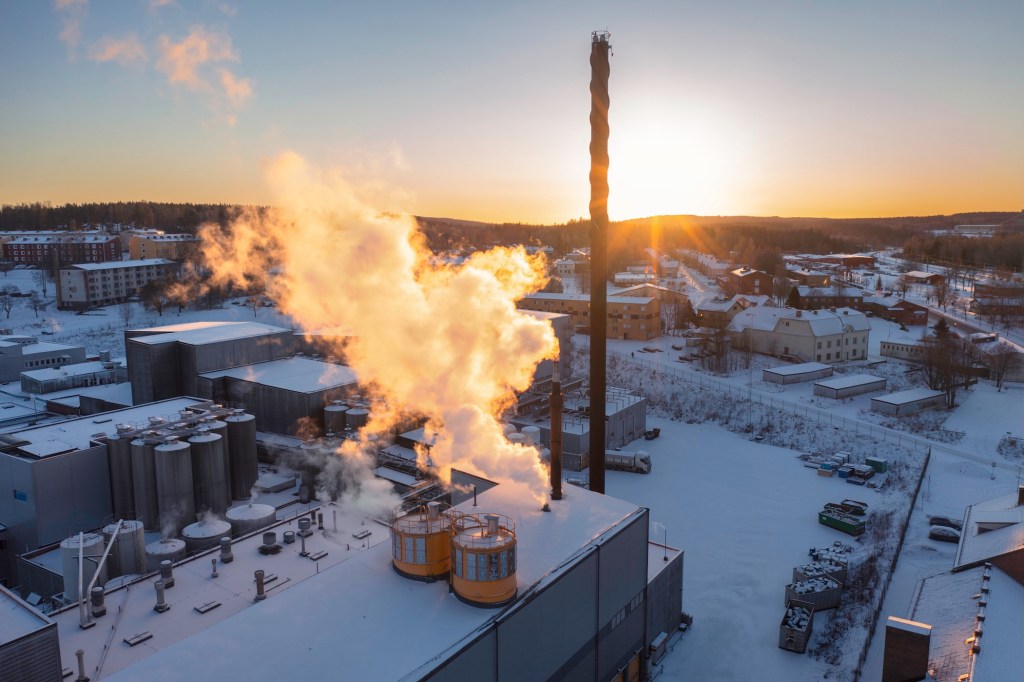
In early 2025, Sweden successfully intercepted a cyberattack aimed at one of its thermal power plants, an incident now attributed to hackers with ties to Russian intelligence services. This event underscores the escalating threat of cyberattacks targeting critical infrastructure across Europe.
Incident Overview
During a press conference on April 15, 2026, Carl-Oskar Bohlin, Sweden’s Minister of Civil Defense, disclosed that the attempted cyberattack occurred in early 2025. While the specific plant targeted remains unnamed, Bohlin confirmed that the attack was thwarted by existing protective mechanisms within the facility’s systems. He emphasized that this incident reflects a shift towards more aggressive and reckless behavior by cyber adversaries.
Attribution to Russian Hackers
The Swedish government has linked the cyberattack to groups associated with Russian intelligence and security services. Bohlin noted that pro-Russian entities, previously known for conducting denial-of-service attacks, are now escalating their efforts to execute destructive cyber operations against European organizations.
Context of Increasing Cyber Threats
This incident is part of a broader pattern of cyberattacks targeting critical infrastructure in Europe:
– Poland (December 2025): Russian hackers were accused of attempting to disrupt parts of Poland’s power grid, highlighting the vulnerability of national energy systems to cyber threats.
– Norway (Early 2025): Cyber adversaries briefly took control of a dam’s operations, releasing millions of gallons of water before being expelled from the system. This attack demonstrated the potential for cyber incidents to cause significant physical damage.
– Ukraine (January 2024): A cyberattack on a municipal energy company in Lviv resulted in hundreds of apartments losing heat for two days during freezing temperatures. While evidence suggested Russian involvement, definitive attribution was not established.
– Ukraine (2015): Russian hackers were previously blamed for cyberattacks that caused widespread disruption to Ukraine’s power grid, serving as an early indicator of the potential for cyber operations to impact national infrastructure.
Implications for Cybersecurity
The attempted attack on Sweden’s thermal power plant highlights the evolving nature of cyber threats, where state-sponsored actors are increasingly targeting essential services. This trend necessitates enhanced cybersecurity measures and international cooperation to protect critical infrastructure from such sophisticated attacks.