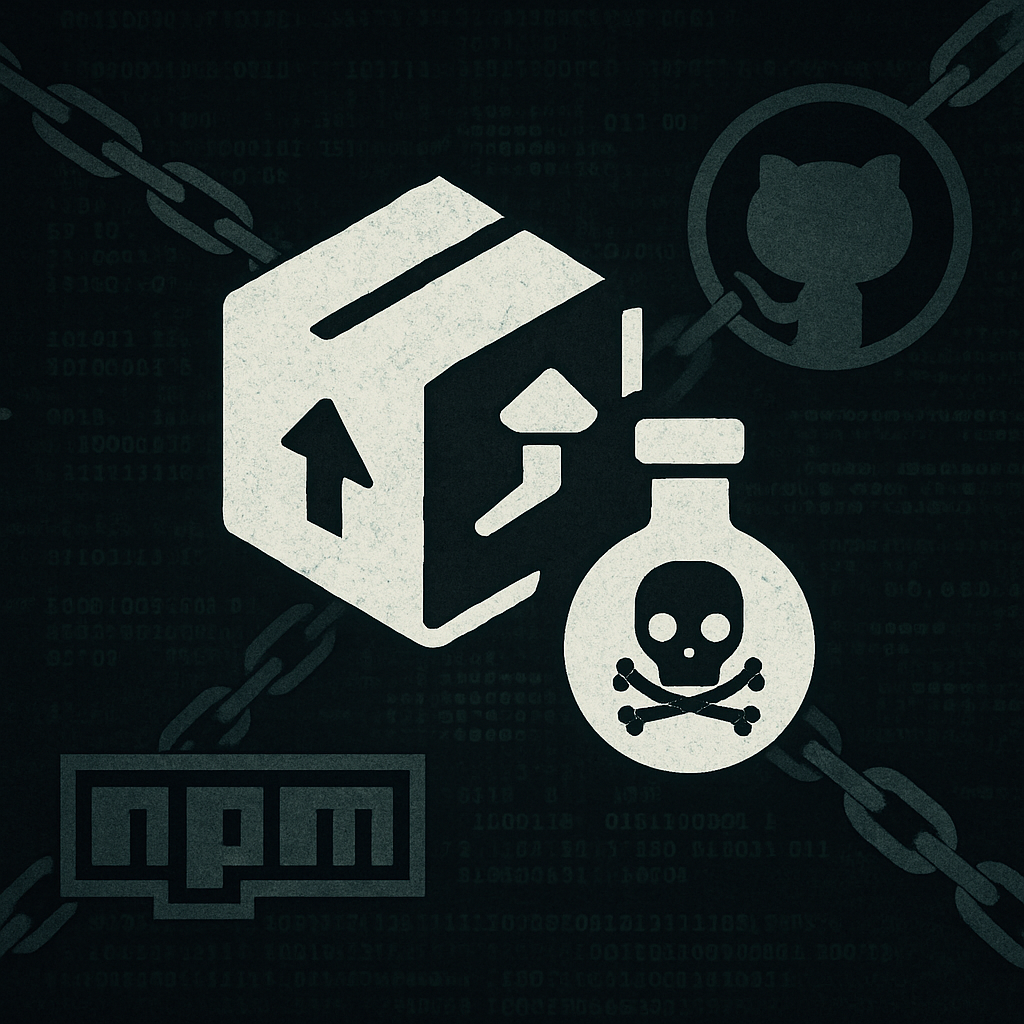
Attackers are increasingly abusing software updates—traditionally trusted tools for delivering patches and features—as a vector for stealing developer and cloud credentials. A new report exposes how malicious actors exploit compromised packages, build pipelines, and release tokens to infiltrate supply chains and harvest sensitive secrets. Faults in CI/CD workflows, source code repositories, and cloud environments are all under threat.
How the Attack Chain Progresses
The report, issued September 30, 2026, outlines multiple campaigns—attributed to groups including S1ngularity, Shai-Hulud, and TeamPCP—that rely on gaining access to release pipelines or maintainer tokens to distribute malware through updates. One prominent example involves the Nx package ecosystem: attackers submitted a pull request to inject malicious code into a CI script, used that change to steal a publishing token, and shipped poisoned releases. The malicious updates then executed post-install hooks on developers’ machines to extract tokens, SSH keys, and GitHub credentials. The malware went further—leveraging local AI tooling to scan files for credential information. The initial breach for the Nx incident was traced back to August 26, 2025. (Note: TeamPCP’s involvement in earlier attacks remains less certain.)
In a separate wave led by the Shai-Hulud operation, attackers created a self-propagating “credential worm.” It looked for npm publishing tokens on compromised systems, injected malicious code into any published packages, and moved on—no new vulnerabilities needed in downstream targets. A rotated element in this campaign was the Trivy attack: after an initial token leak in February 2026—where the exposed token wasn’t fully refreshed—a malicious update was released in March. That update spread malware to over 60 npm packages, affecting projects like Checkmarx, LiteLLM, and Telnyx.
Prevention Strategies and Warning Signs
The analysis recommends urgent changes for organizations. Among the proposed safeguards are replacing long-lived publishing tokens with short-lived credentials, limiting token permissions to the bare minimum, and pinning CI/CD dependencies to commits that have been reviewed. Close monitoring for unusual repository activity, workflow alterations, or unexpected package publications is also advised. If an organization suspects they’ve been hit, immediate rotation of exposed tokens and audits for unauthorized repositories or workflows are essential.
To help with threat detection, the report provides indicators of compromise (IoCs) tied to the S1ngularity campaign, such as the repository name “s1ngularity-repository” and several specific SHA-1 hashes associated with malware samples. Admins are also warned that compromised publishing pipelines can cause damage far beyond code breaches—cloud credentials, source code, and even deployment systems may be exposed.
This threat isn’t confined to rapidly changing open‐source projects. Any product relying on continuous integration, automated publishing, or long-lived tokens could be vulnerable. Supply chain security—once a fringe concern—has become central to protecting intellectual property, cloud infrastructure, and organizational reputation in the software industry.
What This Means and What to Watch
This rising trend of poisoning trusted updates marks a severe shift: attackers no longer need to find zero-days or exploit flashy vulnerabilities—they just need access to trusted pipelines or tokens. Organizations must rethink the assumptions underlying trust in update ecosystems. Key areas to watch include adoption of per-run credential systems, monitoring practices in CI/CD workflows, and how well token permissions are governed. In the next year, the balance between convenience and security in software delivery will be tested like never before.