Massive Supply Chain Attack Compromises 170 npm Packages, Exposing Developer Credentials
In a significant escalation of supply chain attacks, a sophisticated campaign has compromised over 170 npm packages and two PyPI packages, aiming to steal sensitive credentials from developers worldwide. This operation, attributed to the threat group known as TeamPCP, has potentially exposed millions of users to security risks.
Scope and Impact of the Attack
The compromised npm packages collectively receive over 200 million downloads weekly, underscoring the vast reach and potential impact of this attack. By infiltrating widely used developer tools, the attackers have created a ripple effect that could affect countless applications and services dependent on these packages.
Attack Methodology
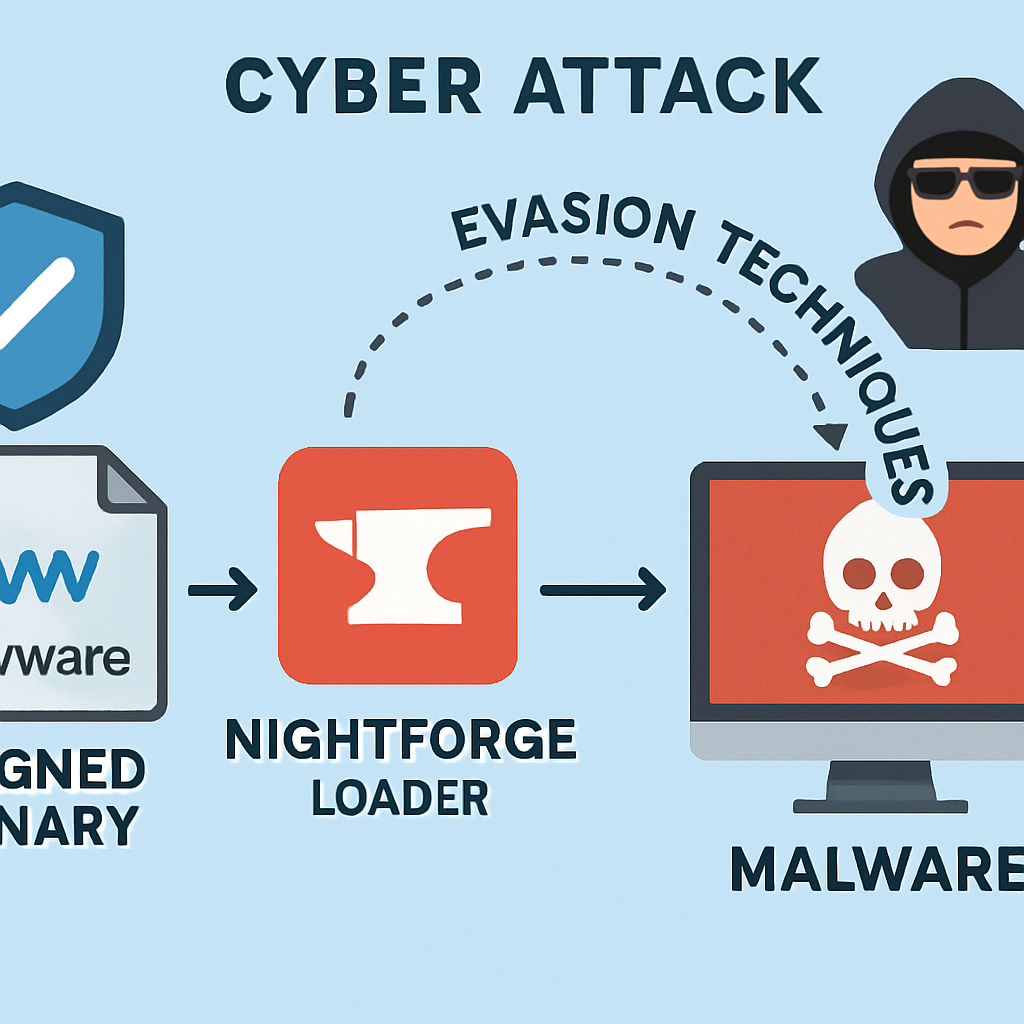
The attackers initiated the breach by exploiting vulnerabilities within trusted GitHub release environments. They manipulated workflow patterns to execute fork-controlled code within privileged repository contexts, allowing them to insert malicious code without immediate detection. This strategic move enabled the poisoning of build cache entries, which were later restored during routine build activities, embedding the malware deeper into the development pipeline.
Once embedded, the malware extracted GitHub Actions identity tokens from runner memory, exchanging them for npm publishing credentials. This facilitated the injection of malicious code into additional packages, which were then republished with incremented version numbers. Each compromised package served as a vector for further infections, demonstrating a self-propagating, worm-like behavior.
Credential Theft Mechanisms
The primary objective of this campaign was the theft of a wide array of sensitive credentials, including:
– GitHub Tokens: Access to repositories and codebases.
– npm Credentials: Control over package publishing and management.
– AWS Access Keys: Potential access to cloud infrastructure and services.
– Kubernetes Service Account Tokens: Control over container orchestration environments.
– HashiCorp Vault Tokens: Access to secrets management systems.
– SSH Keys: Remote server access.
– Docker Credentials: Control over containerized applications.
– Generic API Keys: Access to various third-party services and APIs.
In cloud environments, the malware queried the EC2 metadata service to retrieve IAM role credentials, further expanding its reach and potential for exploitation.
Expansion into Python Ecosystem
The campaign also extended into the Python ecosystem through the compromise of two PyPI packages. These packages contained import-time triggers, activating the malicious payload upon importation in any Python script. The payload then downloaded additional malicious code from attacker-controlled servers, evolving into a comprehensive credential stealer targeting cloud providers, Kubernetes, Vault, password managers, and developer tools.
Detection and Response
Security researchers at JFrog identified the full scope of this campaign, naming it Shai-Hulud: Here We Go Again, recognizing patterns from previous attacks by the same group. Their analysis revealed that this was not a simple one-time intrusion but a self-replicating operation designed to expand with each successful infection.
The malware’s ability to request OpenID Connect (OIDC) tokens for the npm registry and exchange them for publishing tokens allowed it to masquerade as legitimate, trusted sources. This sophisticated approach enabled the distribution of infected packages that appeared to come from verified, trusted sources while carrying malicious code.
Mitigation Strategies
To mitigate the risks associated with this attack, developers and organizations are advised to:
1. Audit Dependencies: Regularly review and update all project dependencies to ensure they are sourced from trusted, uncompromised packages.
2. Implement Multi-Factor Authentication (MFA): Enhance security for all developer accounts by enabling MFA, reducing the risk of unauthorized access.
3. Monitor for Suspicious Activity: Utilize security tools to detect unusual behavior within development environments and CI/CD pipelines.
4. Educate Development Teams: Provide training on recognizing phishing attempts and the importance of verifying the integrity of third-party packages.
5. Establish Incident Response Plans: Develop and regularly update incident response protocols to swiftly address potential security breaches.
Conclusion
This extensive supply chain attack highlights the critical need for vigilance and robust security practices within the software development community. By compromising widely used npm and PyPI packages, the attackers have demonstrated the potential for widespread disruption and data theft. It is imperative for developers and organizations to adopt comprehensive security measures to protect their development environments and the integrity of their software supply chains.