Superhuman, the productivity tool formerly known as Grammarly, is extending its Go assistant deep into its product suite—to provide contextual help across email, documents, and beyond. This comes after its rebranding last year, as the company works to make Go smarter about a user’s workflow and more proactive in serving needs.
What’s New with Go
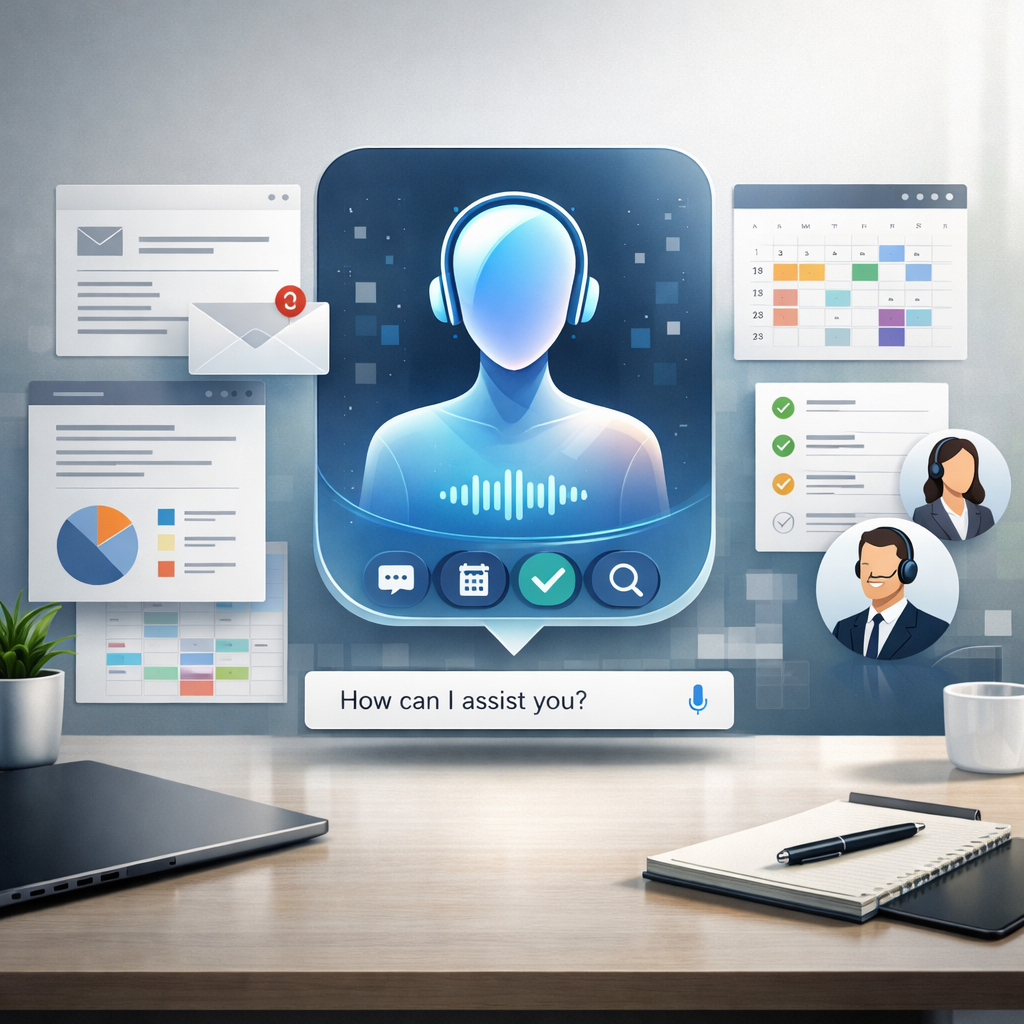
Go is now being integrated across Superhuman Docs and Mail so that it can monitor schedules, track email activity, and draft responses on behalf of the user. The assistant will learn an individual’s writing style to deliver consistent tone whether composing email or editing documents. Users can fire up Go inline with their cursor, where it functions similarly to conventional writing assistants, but with more robust agent-based features.
As part of a redesigned onboarding process, Superhuman lets users connect the tools they already use and feed their work context into the AI—from calendars to knowledge bases. The aim is to let Go generate suggestions that reflect a person’s typical workflow, not just raw text.
Agents, Integrations & Collaboration
Through its Go SDK, Superhuman has added about 20 new connected agents from partners like DeepL, Legora, Amplitude, Databricks, and Blackboard. These integrations allow the assistant to tap into external tools for translation, analytics, data science, and education. In Superhuman Docs, Go agents can operate in the background across multiple tasks. Users can also build routines—automated workflows triggered by events.
Superhuman acquired the note‐taking startup Fathom in September to improve context capture. Live collaborative note-taking is arriving, enabling shared notes across teams. Go also gains post-meeting abilities like drafting an initial proposal or summary based on what was captured.
The Bigger Push & What’s at Stake
Go is becoming Superhuman’s core AI layer, gradually replacing legacy features in Mail. It now supports enterprise search spanning Google and Outlook accounts and leverage data from connected tools and knowledge bases to better organize email, draft responses, and surface relevant content.
The assistant is designed mainly for professional and work tasks, though it also supports personal systems like calendars or emails. The company has crossed the threshold of more than one million active Go users under CEO Shishir Mehrotra. In a crowded field of AI assistants—including OpenAI’s Dots and Claude Duet—Superhuman wants Go to be the go-to choice for professionals.
Superhuman’s AI tools have not been without criticism; concerns about privacy, accuracy, or loss of human voice in writing persist. The move to more deeply embed Go represents a recognition that tools must be both smarter and more attentive to context to win trust and utility.
Why this matters: we’re entering an era where AI assistants are woven throughout the workflow—not just as addons, but as central engines that know your email contacts, calendar, documents—and can act without explicit command. Superhuman’s push shows what’s possible when an assistant understands context across platforms. What remains to be seen is whether deeper access to email, meetings, documents—and more autonomy—will win users or raise concerns. Watch for privacy policies, user controls, and the balance between proactivity and overreaching as Go rolls out more widely.