Strava is boosting its AI game with a new integration with Google Gemini, rolling out features that tap directly into users’ workout history for deeper insights. This comes just months after Strava introduced support for Claude through the Model Context Protocol (MCP), letting users talk with an AI assistant about training trends via natural language. MCP, which started at Anthropic and now lives under the Linux Foundation’s Agentic AI Foundation, enables apps like Strava to securely share info with AI tools.
The Gemini update works similarly: subscribers who connect their Strava account to Gemini gain access to contextualized, personalized responses based on their past activities. It’s strictly opt-in and read-only—Gemini won’t alter any data, just analyze it.
What Users Can Ask Gemini
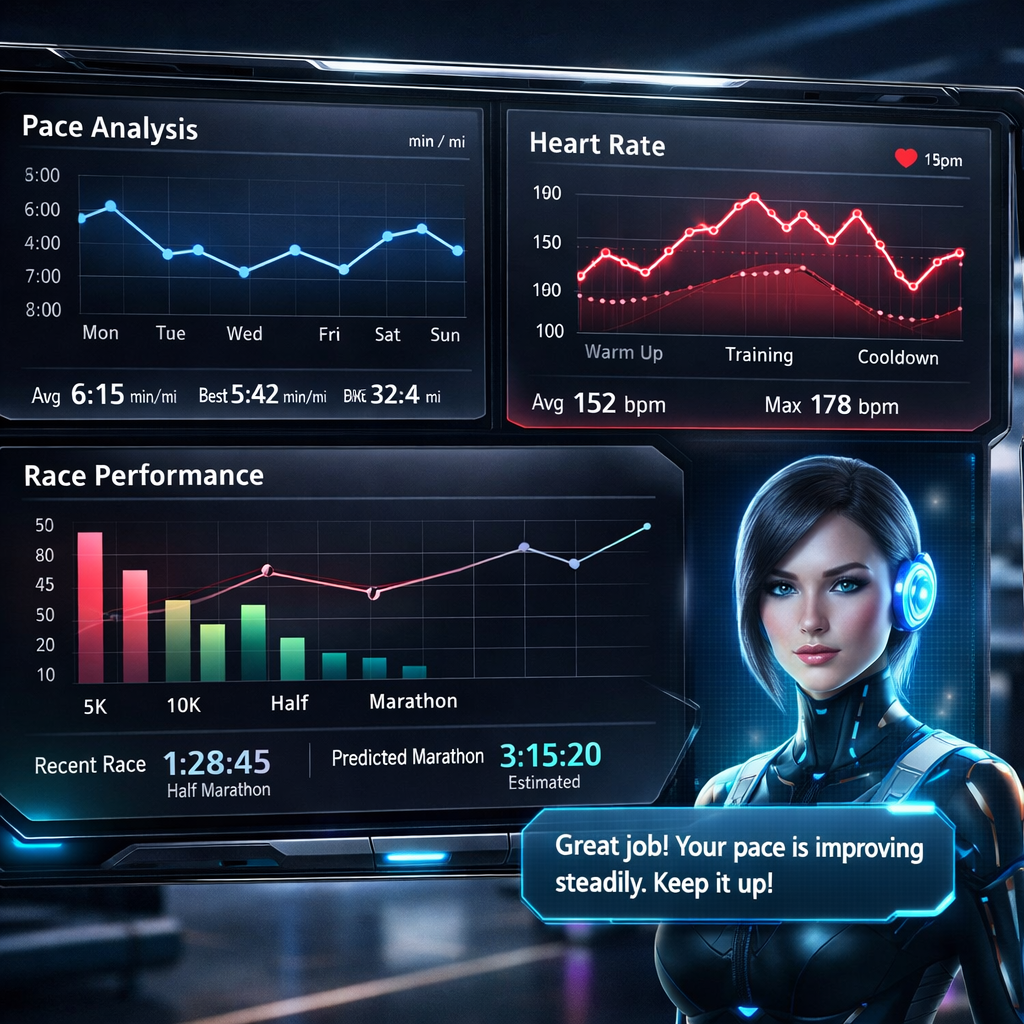
Once set up, users can pose natural questions like whether their speed has improved at the same heart rate, see a breakdown of their performance in recent races, or understand how strength workouts are impacting running. New additions allow comparisons—say your fastest 10K this year versus your all-time best—and view environmental effects, like whether heat, humidity, or wind affected a long run. There’s also functionality to track run streaks by sport, including their start date and current status.
Rollout Details & Availability
The Gemini features are debuting in the U.S. first and are available to all Strava subscribers, regardless of which Gemini tier they use. There’s no word yet on when the integration will expand internationally.
Strava previously rolled out its AI chat integration with Claude just months ago, establishing a basis for this new Gemini tie-in. The move reflects a broader trend among fitness platforms to leverage AI in helping users interpret training data without digging through stats manually.
Why this matters: integrating AI tools like Gemini allows users to turn raw workout data—heart rate, pacing, climate conditions, consistency—into actionable insight. Rather than slogging through graphs, you can ask pointed questions and get tailored answers. For athletes, hobbyists, or anyone trying to improve, this could change how training is approached. It will be interesting to see how users adopt these tools, how accurate AI-driven interpretations become, and whether competitors follow suit.