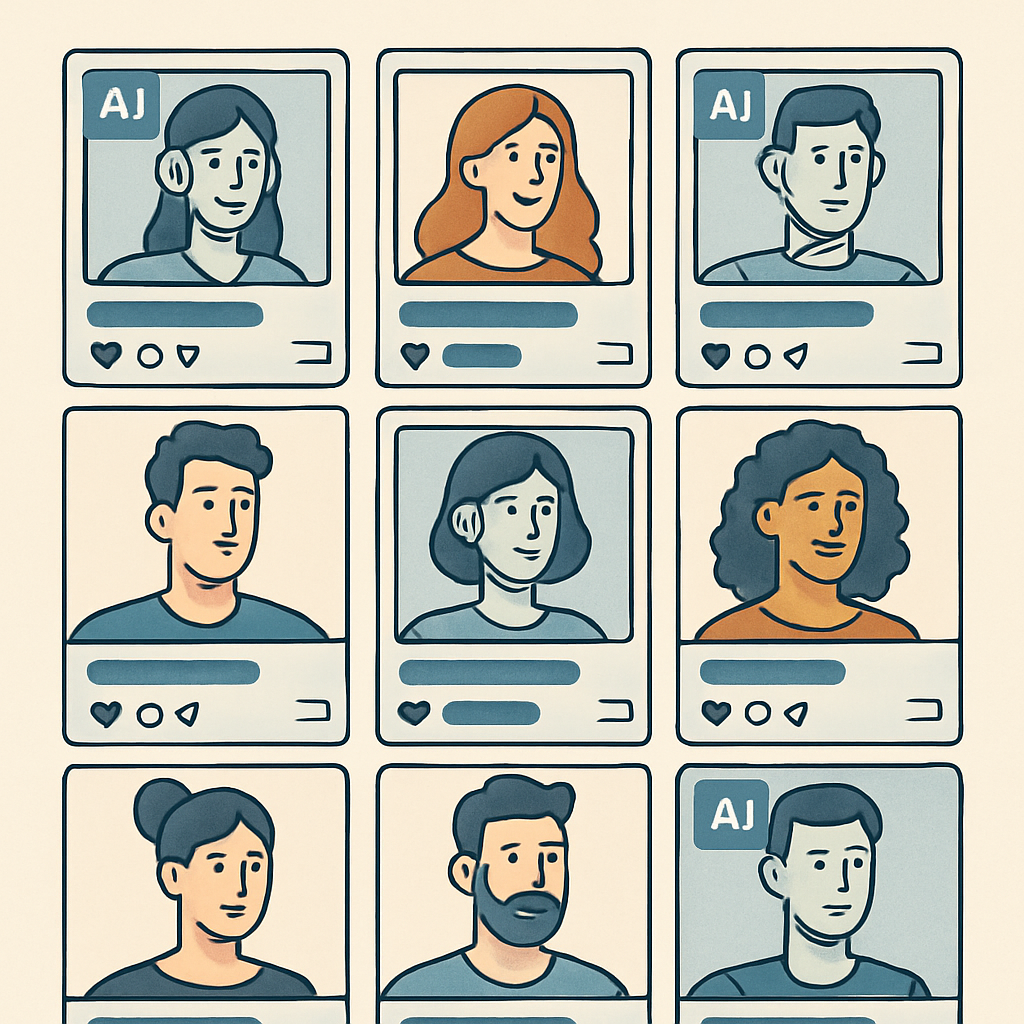
State-sponsored influence operations from Russia and China have evolved significantly, now leveraging artificial intelligence (AI) to create more authentic-looking social media accounts. This strategic shift aims to circumvent detection mechanisms and more effectively manipulate public opinion.
Historically, these operations relied on high-volume, low-quality content disseminated by automated bots. However, recent analyses reveal a transition towards more sophisticated tactics. Inauthentic accounts now exhibit behaviors that closely mimic real users, including reduced posting frequency, increased use of images, and activity patterns that suggest human-like schedules.
Researchers at TwoSixTech developed a machine learning methodology to identify these inauthentic accounts on X (formerly Twitter) with high confidence. Applying this to data from 2024 to 2026, they observed that both Russian and Chinese actors have halved their post volumes while enhancing content quality. This indicates a deliberate effort to make these accounts appear more credible and evade platform moderation tools.
Notably, these actors are repurposing older accounts for new campaigns instead of creating new ones through AI agents. The number of active inauthentic accounts on X remained in the thousands, ranging from 5,000 to 11,000 each for China and Russia across the studied years.
These operations are not merely about avoiding detection; they aim to shape public opinion with richer and more persuasive content. The use of AI-generated images, multilingual posts, and human-like activity patterns points to a long-term, calculated strategy rather than a quick disruption effort.
One striking finding is how these accounts use AI to mimic human behavior and slip past bot detection systems. Pro-Russia and pro-China accounts now post at slower speeds, and many pro-Russia accounts stay inactive for long stretches each day, effectively simulating a person who sleeps at night.
The share of original posts with images more than quadrupled for pro-Russia accounts and doubled for pro-China accounts between 2024 and 2026. Some of these images are AI-generated and used to add emotional weight to narratives. Pro-Russia accounts also expanded their language use to a median of six languages, up from just two in 2024, with AI likely driving that translation capability.
Despite these upgrades, most accounts still fail to gain real traction. The typical inauthentic account received just one engagement for every 3 to 50 posts. TwoSixTech identified an average of 15 pro-Russia outlier accounts each year with tens of thousands of real followers, averaging 17 to 22 engagements per post and acting as content hubs fueling the broader network.
This evolution underscores the growing sophistication of state-sponsored influence operations. By integrating AI to enhance authenticity and evade detection, these actors pose a more formidable challenge to information integrity. It highlights the need for continuous adaptation in detection methodologies and a deeper understanding of AI’s role in modern disinformation campaigns.