Move over rare-earth magnets. Modal Motors, a newcomer in electric motor manufacturing, is building motors designed to work without them—and all within the U.S. This startup wants to sever ties with China’s grip on the supply chain starting at the core of EV propulsion. The company is stepping up just as geopolitical tensions and supply chain disruptions intensify concerns over dependence on rare-earth minerals.
Reimagining the Motor
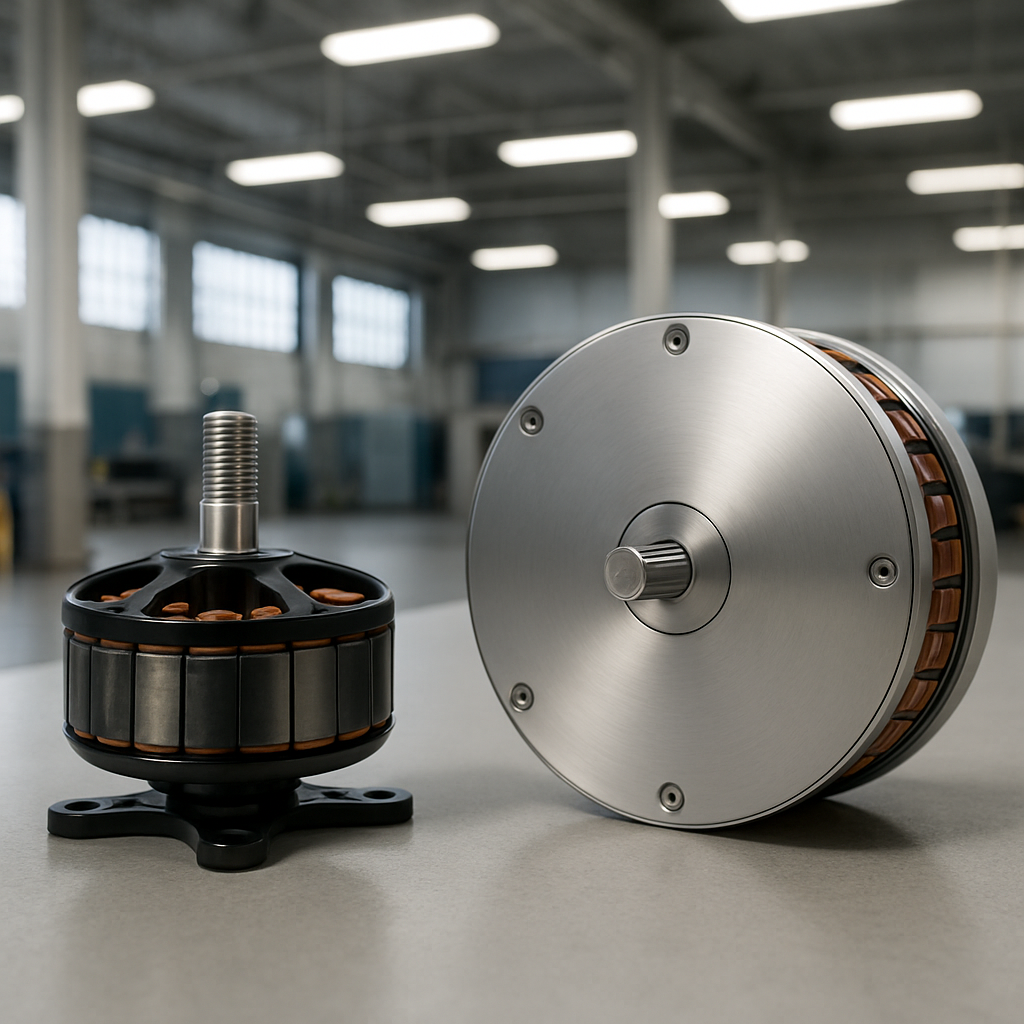
Modal is developing two lines of motors diverging sharply from conventional magnet-based designs. One is a lightweight, high-torque motor for small aerial and cooling systems—think drones, fans, blowers, and actuators. The other, named the “Hybrid Enigma Drive,” is a planar (flat) motor especially tailored for tight spaces where depth constraints make standard designs impractical. Both steer completely clear of rare-earth elements.
Why Rare-Earth Alternatives?
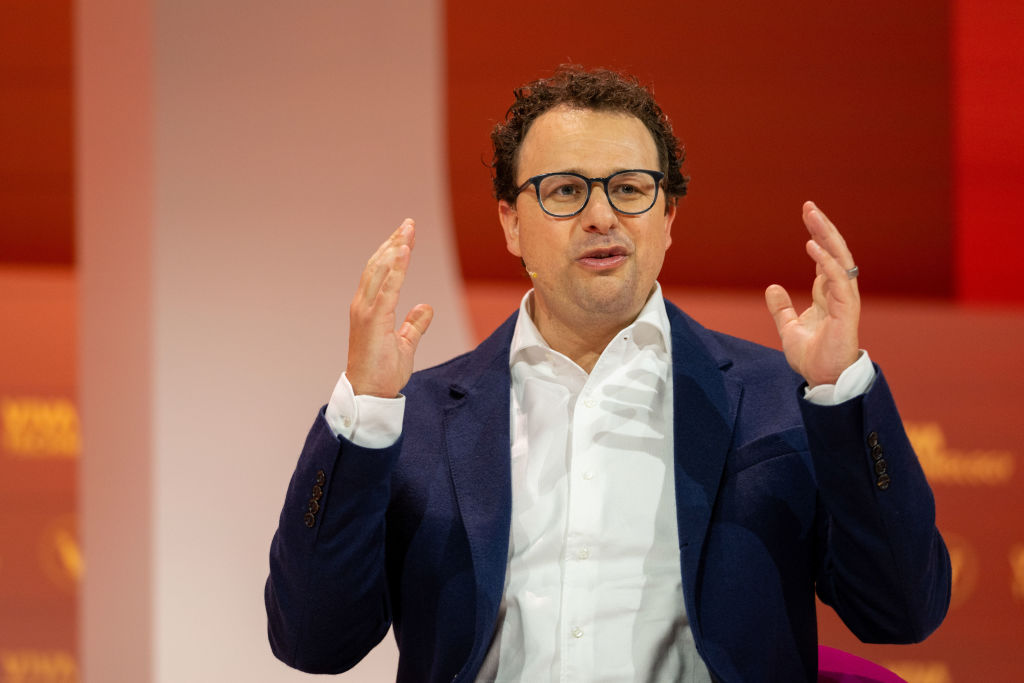
Most electric motors today rely on rare-earth magnets, materials heavily controlled by China. Modal’s founder, Michael Van Steenburg, argues that reshoring motor manufacturing within the U.S. still isn’t enough if the magnet supply chain remains intact—because that chain is decades behind in building domestic capacity. The rare-earth crisis became real when China started restricting access to these materials in recent years.
Modal started with Van Steenburg’s 10 years of engine and motor R&D under his belt. He sees his company not just setting up a new factory, but redefining what motor architecture can do without rare-earth metals—effectively isolating China from one of the most critical parts of electric vehicle hardware.
Both products are still in the development stage as Modal Motors prepares to showcase at TechCrunch Disrupt. The drone-capable motor aims to maximize torque and efficiency while keeping mass and size low. The Hybrid Enigma Drive is more experimental, challenging conventional cylindrical motor layouts with a slim, planar shape.
Historical Ironies and Industry Implications
Van Steenburg’s push to remove rare-earth dependence comes with historical baggage. In the late ’90s, he worked on a hybrid gas-electric drivetrain pitched to China—only to see the world evolve such that now it’s China influencing supply chains, not being wooed by foreign tech. He’s watched in recent decades as the country secured mining rights worldwide, consolidating control over minerals foundational to modern propulsion tech.
In Van Steenburg’s view, many firms reshoring manufacturing are just making “Chinese motors” at home—same magnet-based motors, just built in the U.S.—counting on rare-earth supply to catch up. Modal’s bet is that relying on magnets is a dead-end unless alternate sources or magnet-free designs are viable now.
While Modal serializes its secrecy about performance metrics, the ambition alone speaks volumes. Across the EV sector, concern over supply chain vulnerabilities is pushing manufacturers—including giants—to explore magnet-free or reduced-magnet motor technologies.
Manufacturers are under immense pressure to slash emissions, reduce costs, and ensure resilience in the face of trade conflicts. Rare-earth dependence ticks all the risk boxes: price volatility, geopolitical leverage, environmental issues around mining, and increasingly stringent export restrictions from producing countries.
Looking at the landscape, startups like Modal Motors represent a broader shift. Whether they succeed technically and economically will influence how quickly the automotive sector can decouple from China, build domestic supply chains, and redefine motor engineering. For now, all eyes will be on their upcoming reveals at TechCrunch Disrupt.
What this signals is a test of whether innovation can replace extraction. If Modal’s magnet-free motors deliver broadly usable performance and scale, they’ll mark a turning point—not just in EV tech, but in national industrial policy. For investors, OEMs, and policymakers, this is one to watch.