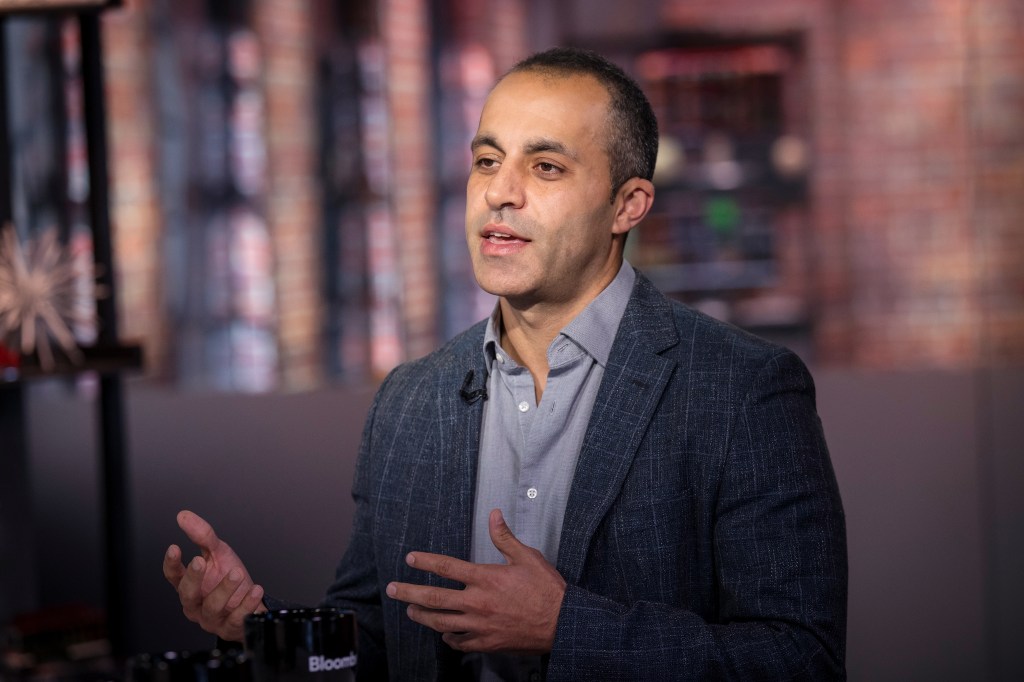
During Stanford University’s 2026 commencement ceremony, Google CEO Sundar Pichai faced significant protests from graduating students. As Pichai, a Stanford alumnus with a master’s degree in materials science and engineering, began his address, approximately 200 students stood up, waved Palestinian flags, and chanted slogans such as “Free, free Palestine.” Many proceeded to walk out of the ceremony, expressing their discontent with Google’s business engagements.
The primary focus of the protest was Google’s involvement in Project Nimbus, a $1.2 billion cloud and AI contract with the Israeli government. This partnership has been a point of contention, especially in light of the ongoing conflict in Gaza. Additionally, students voiced concerns over Google’s collaboration with the U.S. Immigration and Customs Enforcement (ICE), highlighting ethical implications of the company’s contracts.
The demonstration was organized by campus activist groups, including Stanford Students for Justice in Palestine, No Tech for Apartheid, and Tech for Liberation. Protesters carried signs with messages like “ICE SPIES WITH GOOGLE AI” and “GENOCIDE RUNS ON GOOGLE,” emphasizing their opposition to the company’s actions.
Despite the disruption, Pichai continued his speech, choosing not to address the protest directly. His remarks focused on optimism and the future, avoiding commentary on the students’ grievances.
Google’s participation in Project Nimbus has previously sparked internal dissent. In 2024, the company terminated 28 employees who protested the contract. External organizations, such as the Electronic Frontier Foundation, have also criticized Google and other tech companies for their involvement in military and surveillance projects.
Reactions to the protest varied. Vinod Khosla, co-founder of Sun Microsystems and a prominent venture capitalist, criticized the students’ actions, labeling them as “biased, idiotic, short-sighted and very selfish.” He argued that the protesters were neglecting the potential benefits of AI for billions of people worldwide.
This incident at Stanford reflects a broader trend of student activism targeting tech companies’ ethical responsibilities. As technology becomes increasingly integrated into global politics and security, companies like Google face mounting pressure to align their business practices with ethical standards. The protest underscores the growing demand for corporate accountability and transparency in the tech industry.