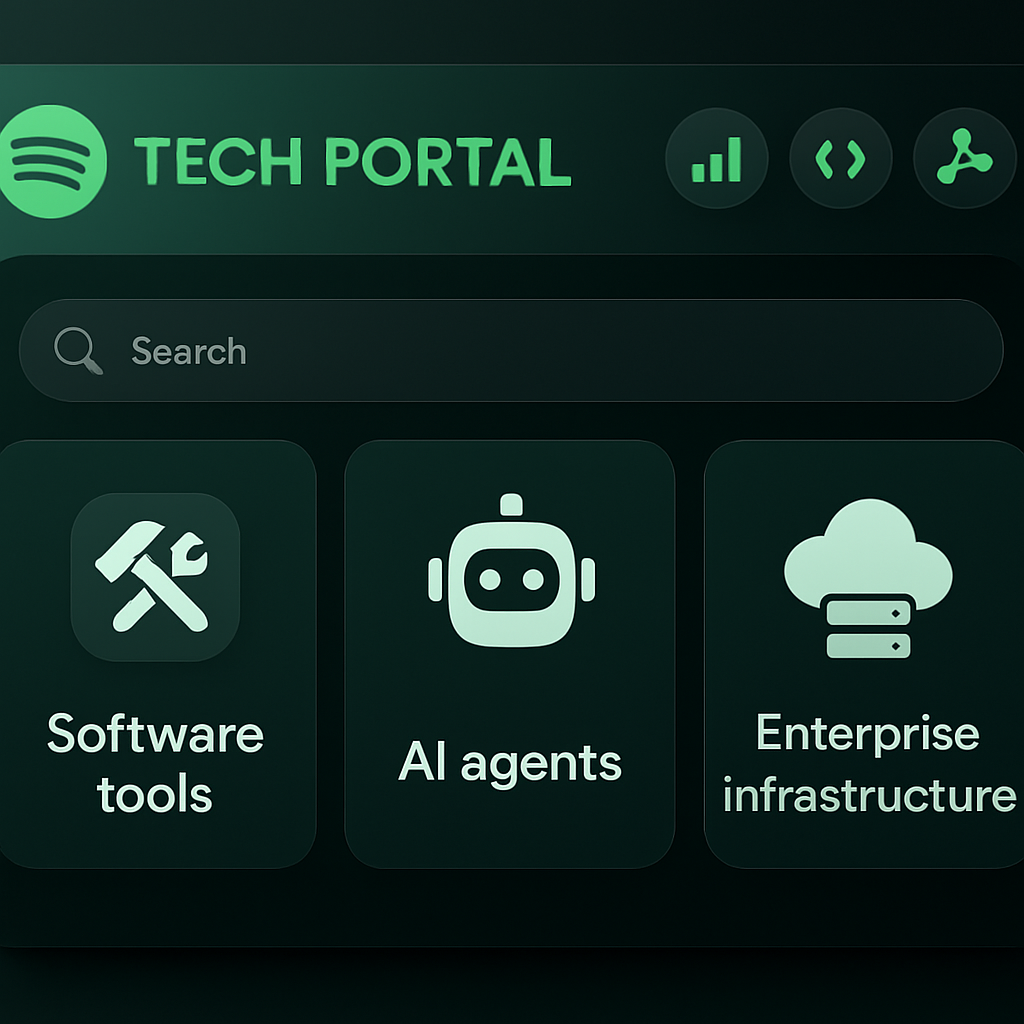
Spotify is turning up the heat in the enterprise software arena. On October 8, 2026, the company launched a new site, technology.spotify.com, designed to package its in-house technologies—both open-source and paid—into offerings for external developers and businesses. This shift reflects a more formal strategy for a part of Spotify previously kept under wraps.
From Internal Tools to Commercial Products
The idea isn’t entirely new. Spotify first dipped its toes into serving external developers back in 2020 with Backstage, its open-source framework for building customizable developer portals. That was followed by launches of its enterprise experimentation platform Confidence in 2023, and its internal development platform Portal in 2024. Earlier in 2026, Spotify introduced Xirp, a tool for managing AI coding agents. The technology site serves to unite all these tools under one roof. cite
Why Spotify Is Making the Move
Spotify’s internal engineering setup includes “hundreds of cross-functional squads,” all building products and writing code to support its 777 million monthly active users. Those same workflows produced tools that Spotify now believes have value for other organizations. The company argues that even though AI has accelerated some parts of software creation, systems of scale still come with complexity, high costs, and operational demands. Core services that aid coding, experimentation, and deployment remain essential—and Spotify is positioning its tools to fill those needs. cite
Despite the scaling ambitions, Spotify has yet to reveal how much revenue the enterprise tools generate. Its financial reports don’t yet break out enterprise software sales, but the push toward a dedicated portal suggests those numbers might become more visible as this shifts from side project to strategic business line. cite
Pricing information isn’t published on the new technology portal. Businesses interested in Spotify’s tools must contact its sales team directly. cite
This move also plays into larger trends in tech: with AI advancements, many companies are re-evaluating which parts of their internal infrastructure might be sold externally—turning internal platforms into commercial ones. Spotify’s appetite here suggests it believes there’s serious market demand for tools built at massive scale.
What this means: Spotify transforming its engineering assets into enterprise-facing products signals a strategic inflection point. The company is no longer content to rely solely on music and podcast subscriptions—it’s exploring recurring revenue from its software stack. Observers should watch for disclosures in upcoming earnings reports, competitive responses from cloud providers and established enterprise software firms, and how Spotify prices and packages these internal tools. If done well, this could reshape part of the enterprise tool landscape, especially where AI-assisted development and tooling are concerned.