South Korea’s Fair Trade Commission (KFTC) has officially launched proceedings against Apple, accusing it of deceptive advertising tied to its Apple Intelligence features for the iPhone 16. The case follows a complaint from the Seoul YMCA and an investigation which concluded that Apple misled consumers regarding the availability and timing of certain AI-powered features. The KFTC is now reviewing whether Apple violated national advertising laws and what penalties should apply.
What sparked the investigation
The issue began in March 2025 after the Seoul YMCA filed a complaint with the KFTC, charging that Apple continued marketing the iPhone 16’s Apple Intelligence features while already aware some were delayed. The group called for consumer compensation, arguing Apple’s campaign overstated what features would be available and when.
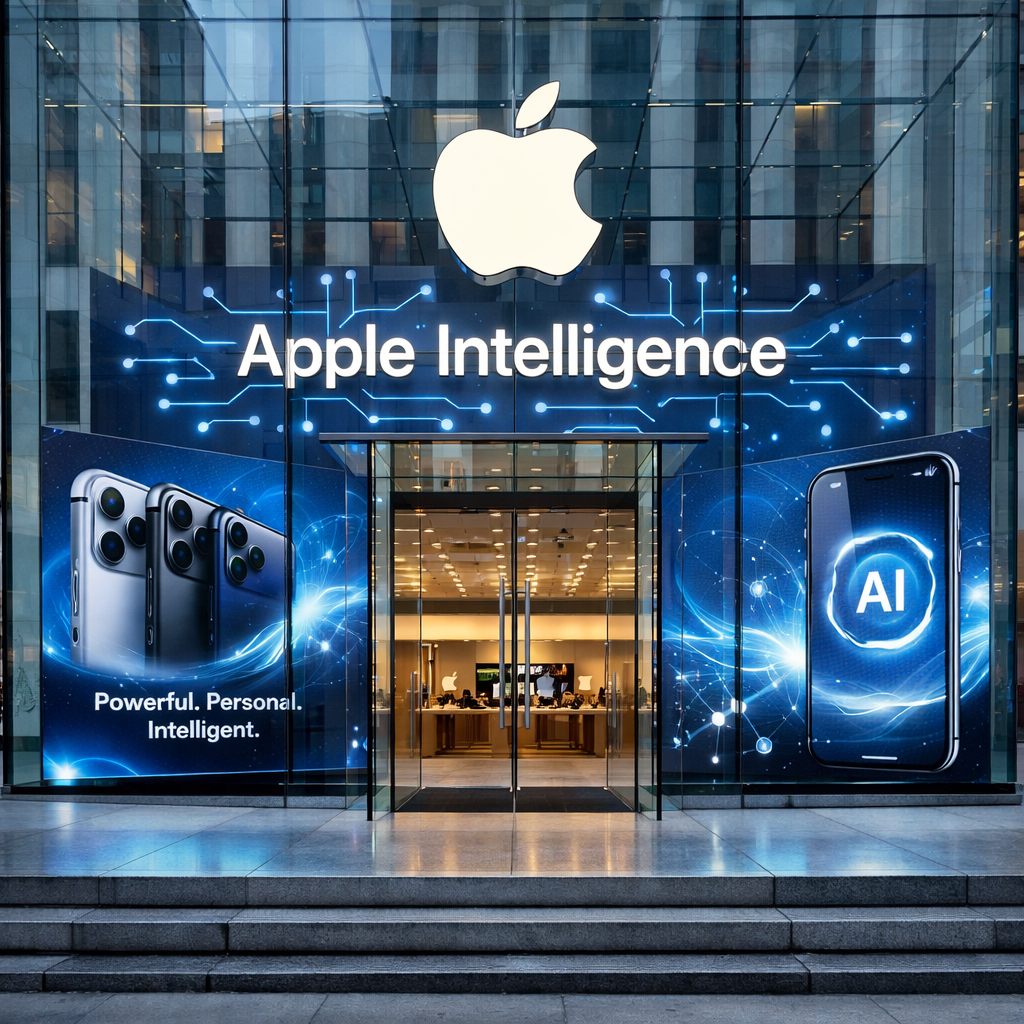
From Apple’s launch campaign, the company heavily promoted its AI intelligence suite—including Siri enhancements and tools like Generative Emojis and Image Playground. These promos included notable public activations, such as a makeover of its iconic Fifth Avenue store and a global ad campaign featuring actress Bella Ramsey.
KFTC findings and alleged misrepresentations
After reviewing Apple’s ad materials, the KFTC determined the company “concealed, downplayed, or omitted information material to consumers’ purchasing decisions.” Key complaints include:
- Some of nine advertised Apple Intelligence features were not promised to work in US English by end-2024 as claimed, and when they would be available was unclear.
- Several features were not operational in US English as of October 2024.
- Claims that certain functions would work in Korean by early April 2025 were also called into question.
Specifically, features such as Genmoji, Image Playground, “Siri with the ability to understand personal context,” and “step-by-step guidance” were cited. For instance, Apple had stated that Siri’s “personal context” capability would be supported in US English by end-2024 and in Korean by April 2025. In reality, support in US English arrived in September 2026, with Korean support following in October 2026.
Legal implications and possible penalties
The KFTC concluded that these discrepancies may violate the Labeling and Advertising Act, which forbids deceptive practices in advertising. The regulators are now recommending formal corrective orders to prevent similar issues in the future, and a financial penalty tied to Apple’s sales from the promotion—estimated at around 3.35 trillion South Korean won, approximately $2.5 billion.
While the regulator has not yet decided the exact fine, early reports estimate it could land between $21 million and $48 million. Apple has six weeks to respond with a written defense before the commission makes a final ruling.
Apple has stated it cooperated with the inquiry but disagrees with the KFTC’s assessment. The company has pointed to its phased rollout of Korean-language support for the Apple Intelligence tools and for upgraded Siri features.
Some international pressure has also arisen. Apple reached a $250 million settlement in the US over related claims, and regulatory scrutiny has occurred in Brazil as well.
South Korea’s case highlights growing regulatory concerns about AI marketing. As more tech leaders promote ambitious intelligence tools, accuracy in claiming feature availability—especially across language and regional rollouts—is under increasing legal scrutiny. For Apple and rivals, the outcome may set a precedent about how transparently AI features must be advertised globally. Watch how the commission rules, the fine imposed, and whether Apple or other firms adjust marketing strategies to avoid similar claims abroad.