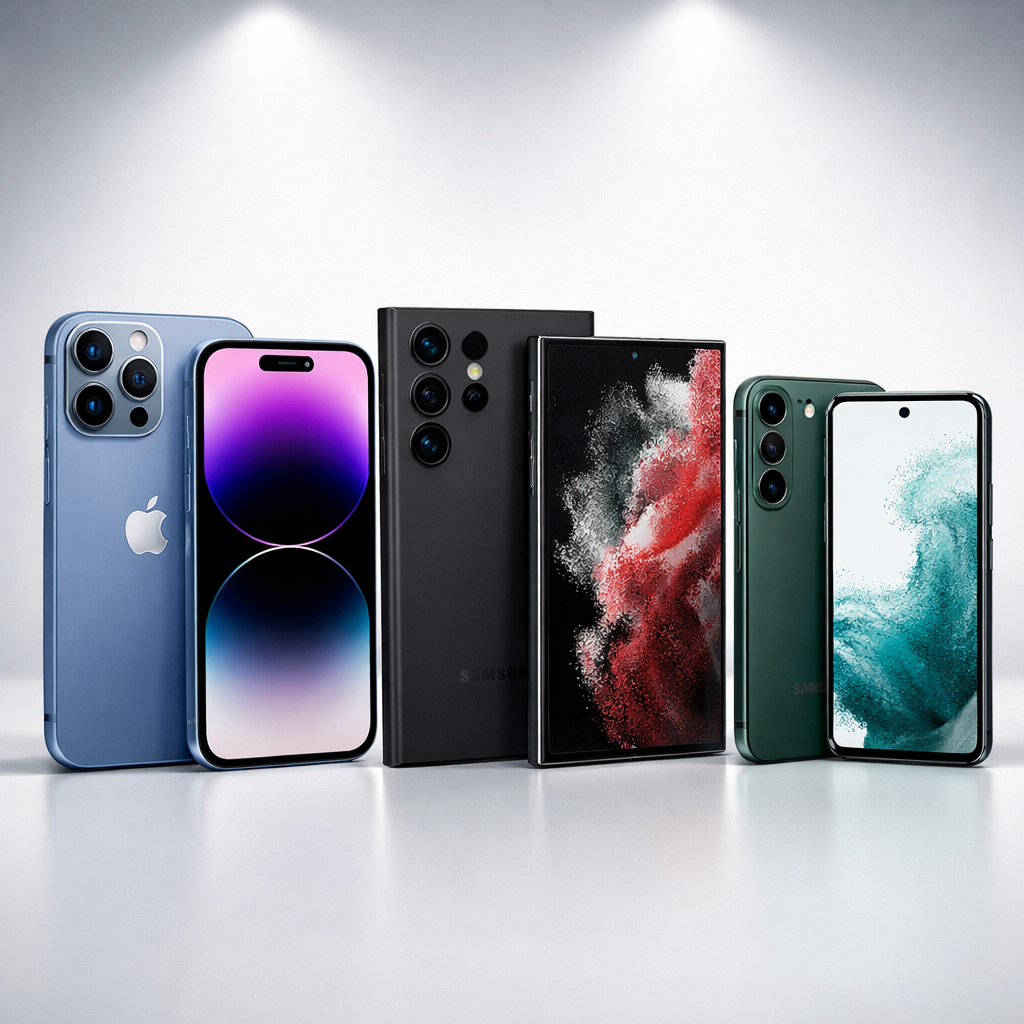
The latest data from Counterpoint Research shows that Apple captured a dominant 57% of smartphone shipments in the United States during the third quarter of 2026—up from 50% in the same period last year—even as the overall U.S. market declined by 9%. Apple stands out as the only major smartphone maker that managed to grow year over year in this downturn.
Android Struggles While Samsung Makes the Only Gains
The broader Android market experienced continued pressure, with shipment volumes falling for most vendors. Samsung, however, defied the trend just enough to notch a one-percent gain in its share, rising to 25%. Its performance is attributed to a balanced strategy that spans both flagship models and budget-friendly Galaxy A-series phones.
In contrast, smaller Android players felt the squeeze especially hard, as rising memory chip costs hit the low-end segment considerably. Such pressures made it difficult for these companies to compete on price or volume.
Carriers & Q4 Outlook
U.S. wireless carriers weren’t immune to the downturn either: sales through the top three carriers dropped about 4% year over year.
Looking ahead to the fourth quarter, Counterpoint anticipates that elevated memory prices will continue to burden manufacturers and that carriers will pull back on aggressive holiday promotions. Despite Q4 traditionally being the strongest quarter, these headwinds suggest another weak stretch.
Apple’s ability to stabilize pricing until the September launch of its iPhone 18 Pro lineup helped cushion it against inflation and supply chain pressures.
What this trend shows is that brand strength, supply chain resilience, and portfolio breadth matter more than ever in a shrinking market. As competition from Android brands weakens, Apple’s dominance offers both leverage and vulnerability—especially if macroeconomic trouble deepens. Watch whether competitors can innovate not just in hardware but in pricing, services, and carrier partnerships heading into 2027. — thedailytechfeed