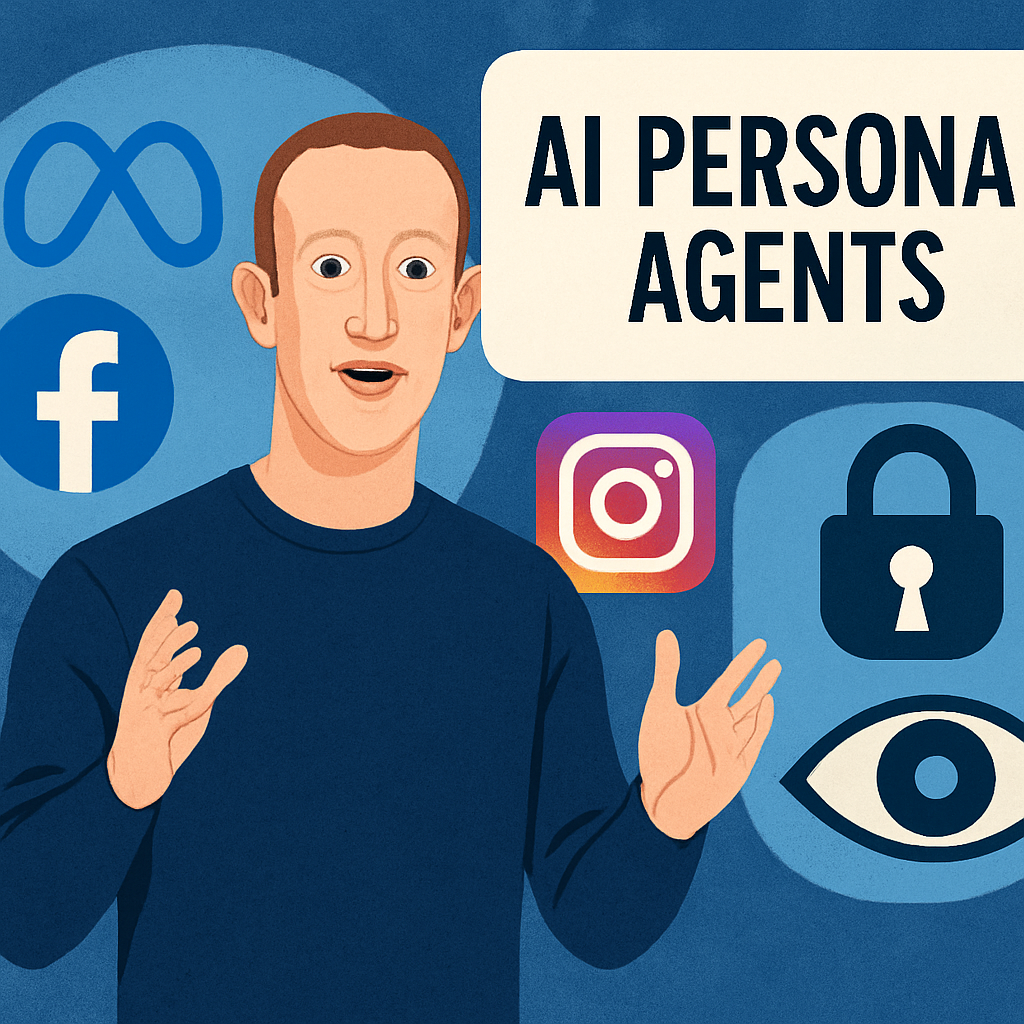
Meta CEO Mark Zuckerberg recently published a comprehensive essay titled “The Future is for Everyone,” outlining an optimistic vision where advanced AI personal agents assist individuals in achieving their goals. He envisions a future where these agents understand users deeply, facilitating tasks seamlessly.
However, this vision has been met with skepticism. Critics point to Meta’s historical challenges in delivering on its ambitious promises. For instance, the company’s social media platforms, initially designed to foster connections, have often been criticized for promoting divisive content and prioritizing advertisements over genuine user engagement.
Furthermore, despite significant investments in AI infrastructure and talent acquisition, Meta has struggled to position itself as a leader in the AI space. While competitors have launched widely adopted AI chatbots and tools, Meta’s offerings have not achieved similar prominence. This raises questions about the company’s ability to realize its AI ambitions.
Additionally, Zuckerberg’s emphasis on personal empowerment through AI contrasts with concerns about data privacy and the potential misuse of personal information. Users are wary of how their data might be utilized, especially given Meta’s past controversies related to user privacy.
In summary, while Zuckerberg’s vision for an AI-driven future is ambitious, it faces significant hurdles. Meta must address public skepticism, demonstrate tangible progress in AI development, and rebuild trust to turn this vision into reality.