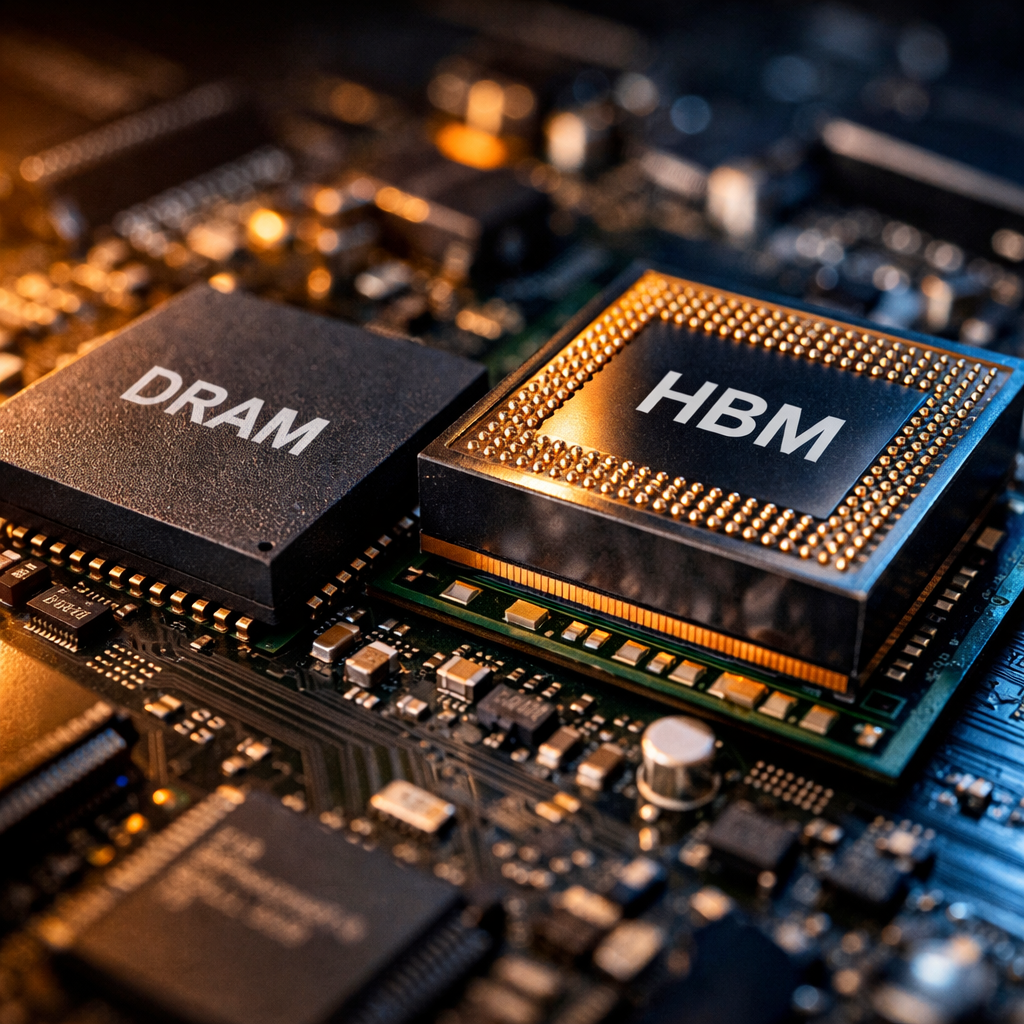
SK Hynix has revealed during its latest earnings call that both DRAM and HBM chips are already committed through 2029, and the memory crunch dubbed “RAMageddon” is expected to last through 2030. The manufacturer’s comments underscore a stretched supply chain trying to keep pace with accelerating demand for cutting-edge memory technologies.
The company’s Chief Financial Officer explained that demand growth has far outstripped what current supply can support. Efforts to ramp up production, especially on newer process technologies and advanced memory types, are being hampered by long lead times and the inherently complex nature of building new fabrication facilities. SK Hynix projects that these constraints won’t ease until at least 2030.
Long-Term Deals, Capacity Limitations
Part of SK Hynix’s strategy includes locking in long-term contracts. More than half of its capacity for 2027 and 2028 is already tied to existing deals. But even with those commitments in place, the company warns that meeting customer volume goals will continue to be difficult under current conditions.
It’s worth noting that SK Hynix is not the market leader in memory production—Samsung still controls a larger portion of the DRAM and HBM landscape. However, all major players—Samsung, Micron and SK Hynix—are facing similar issues. Micron has already forecast even tighter supply in 2027 compared to 2026, painting a global picture of scarcity that is expected to extend for years.
Why It Matters
Consumers and industries relying heavily on high-bandwidth memory—like data centers, artificial intelligence, and high-performance computing—are likely to feel the impact strongest. With key resources locked in through 2029 and persistent production constraints, prices may stay elevated and availability uneven.
The physical and logistical challenges of building leading-edge fabs—clean rooms, ultra-purified materials, cutting-edge machinery—add complexity. Scaling up supply isn’t just about investment; it’s about time. SK Hynix’s confirmation that RAMageddon won’t begin to resolve before 2030 suggests we will see ongoing competition for memory, and pressure on costs and delivery schedules.
Analysis: This forecast from SK Hynix signals a turning point in the memory industry. Companies masking short-term supply issues as temporary could soon face the hard realization that demand—especially from AI, cloud services, and high-performance computing—is reshaping the market long term. What’s ahead is not just about making more chips; it’s about building capacity with precision and speed, and managing expectations about when, or if, relief will arrive.