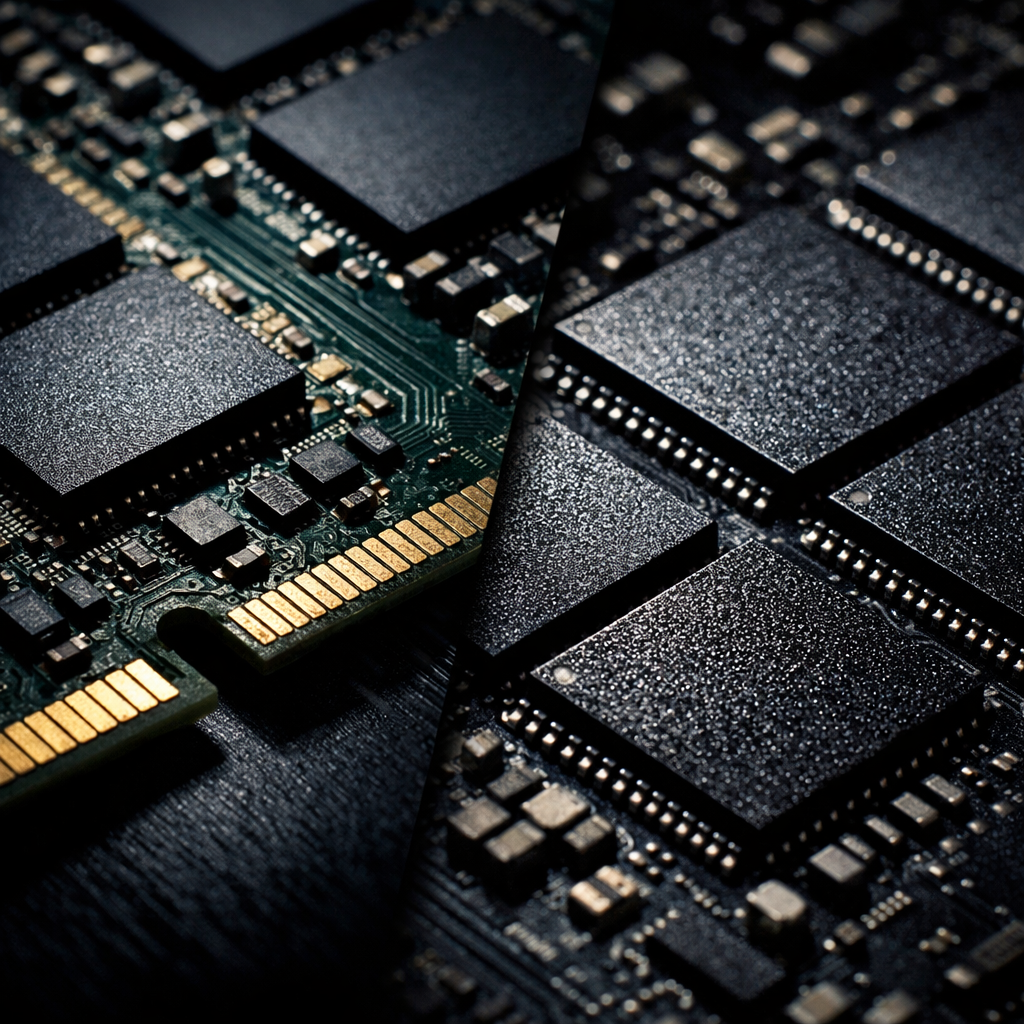
Apple’s leading memory supplier SK hynix has announced that global shortages in RAM and flash storage are expected to persist at least through 2030, putting continued pressure on pricing. This comes amid soaring demand driven by AI, combined with limitations in production capacity and long lead times for new manufacturing infrastructure.
Why Supply Falls Short
Despite booming demand, supply growth is being constrained by two main challenges. First, cutting-edge fabrication processes are technically difficult and require significant investment. Second, building new memory plants is a lengthy process—measured in years rather than months—meaning capacity can’t keep pace with rapidly growing demand. SK hynix asserts that this imbalance between supply and demand will likely remain through 2030.
Locked-in Contracts with Price Risk
SK hynix has deals with 14 tech giants, collectively expected to account for more than half its output in 2027 and 2028. Apple is believed to be among these priority customers. However, even these agreements come with clauses that allow prices to rise in line with market conditions. Essentially, locking in supply doesn’t protect buyers from being exposed to large price increases as shortages continue.
Other Components Under Strain
Memory and flash aren’t the only areas feeling the squeeze. Printed circuit boards — once simple commoditized components — are now becoming more complex, with additional layers and higher bandwidth requirements. These advancements have narrowed the supplier pool and extended lead times, potentially pushing up costs and slowing production across multiple device components.
Apple Pushes Back
Apple has publicly stated that it is working to mitigate the impact of rising memory and component costs. However, those efforts have so far been unable to fully offset price pressures. Given the persistence of supply constraints through 2030, buyers like Apple are likely to face ongoing challenges managing margins and production costs.
What this means: For Apple and other tech companies, the extended shortage of memory and flash components is more than just a supply chain issue—it’s reshaping how contracts are negotiated and how costs are managed. As buyers contend with long lead times and volatile pricing, we’re likely to see more creative approaches to deals, inventory, and sourcing.