Apple’s upcoming third-generation iPhone Duo is anticipated to introduce two highly requested upgrades: Face ID facial recognition and a dedicated telephoto camera lens. These additions could appear as soon as this fall, according to recent reporting.
Why Duo Missed These at Launch
The original iPhone Duo, announced ahead of its October 23 release, includes Touch ID and a dual-rear camera setup. It does not have Face ID or a telephoto lens. Observers believe this is largely due to space constraints in the current chassis, which made it difficult to accommodate the components required for those features.
How Apple Might Make It Happen
One analyst suggests Apple will leverage improvements in component miniaturization, combined with advances in computational photography and artificial intelligence, to integrate Face ID hardware and a telephoto lens without significantly altering Duo’s physical design. The plan would see smaller depth sensors and camera modules, with software and machine learning filling gaps in hardware capability.
The telephoto lens would enhance optical zoom performance and likely improve portrait shots, while Face ID would bring a more advanced and versatile identity verification method compared to Touch ID.
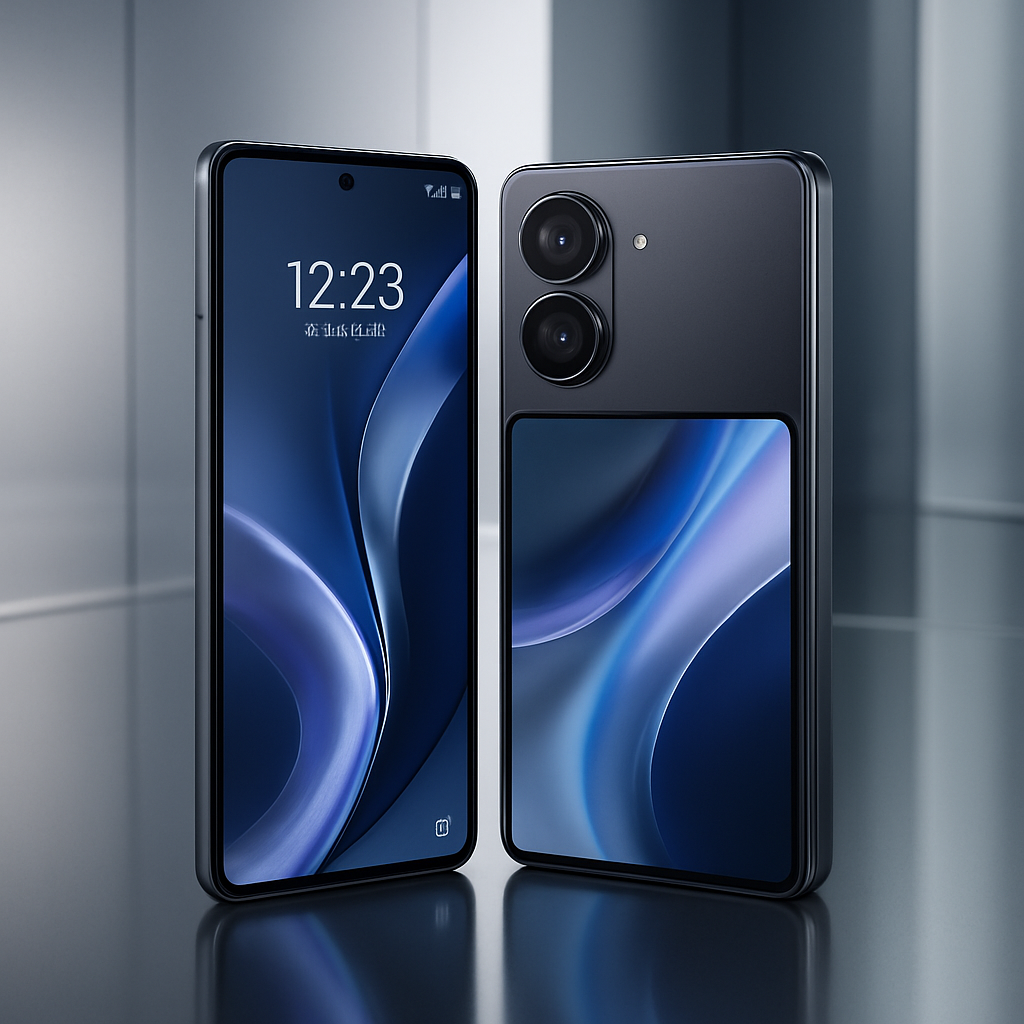
The anticipated third-generation model may retain the two-screen/foldable design of the current Duo, meaning Apple must balance internal layout carefully if these upgrades are to be included without compromising device thickness, battery life, or durability.
Users and reviewers have noted that the lack of Face ID and telephoto capabilities puts the Duo slightly behind Apple’s Pro-line of iPhones in terms of premium camera functionality. Adding these would help narrow that gap.
The official Duo release date is set for October 23. The third generation is expected to be unveiled at a later unannounced event, possibly in 2027, assuming Apple follows its typical product cycle.
What this means: Introducing Face ID and a telephoto lens could shift how Apple positions the Duo model dramatically. These enhancements would redefine the device from a niche foldable experiment into one capable of competing more directly with high-end phones for users who prioritize biometrics and photography. If Apple can pull off these upgrades without increasing cost or weight substantially, it could set the stage for broader adoption—especially if paired with software refinements that maximize quality from smaller sensors. We’ll be watching closely for early leaks or regulatory filings to hint at what’s truly inside Duo 3.